

Maddy summaryThis bill directs the U.S. Department of Health and Human Services to launch a national public education campaign about abortion access. The campaign must provide medically accurate information on where to obtain abortion services (including medication abortion), legal rights for out-of-state care, identifying misleading anti-abortion centers, spotting disinformation, and protecting personal health data. It specifically targets underserved communities like people of color, immigrants, LGBTQ+ individuals, rural residents, and those with low incomes, while prohibiting the promotion of misinformation or abstinence-only programs.
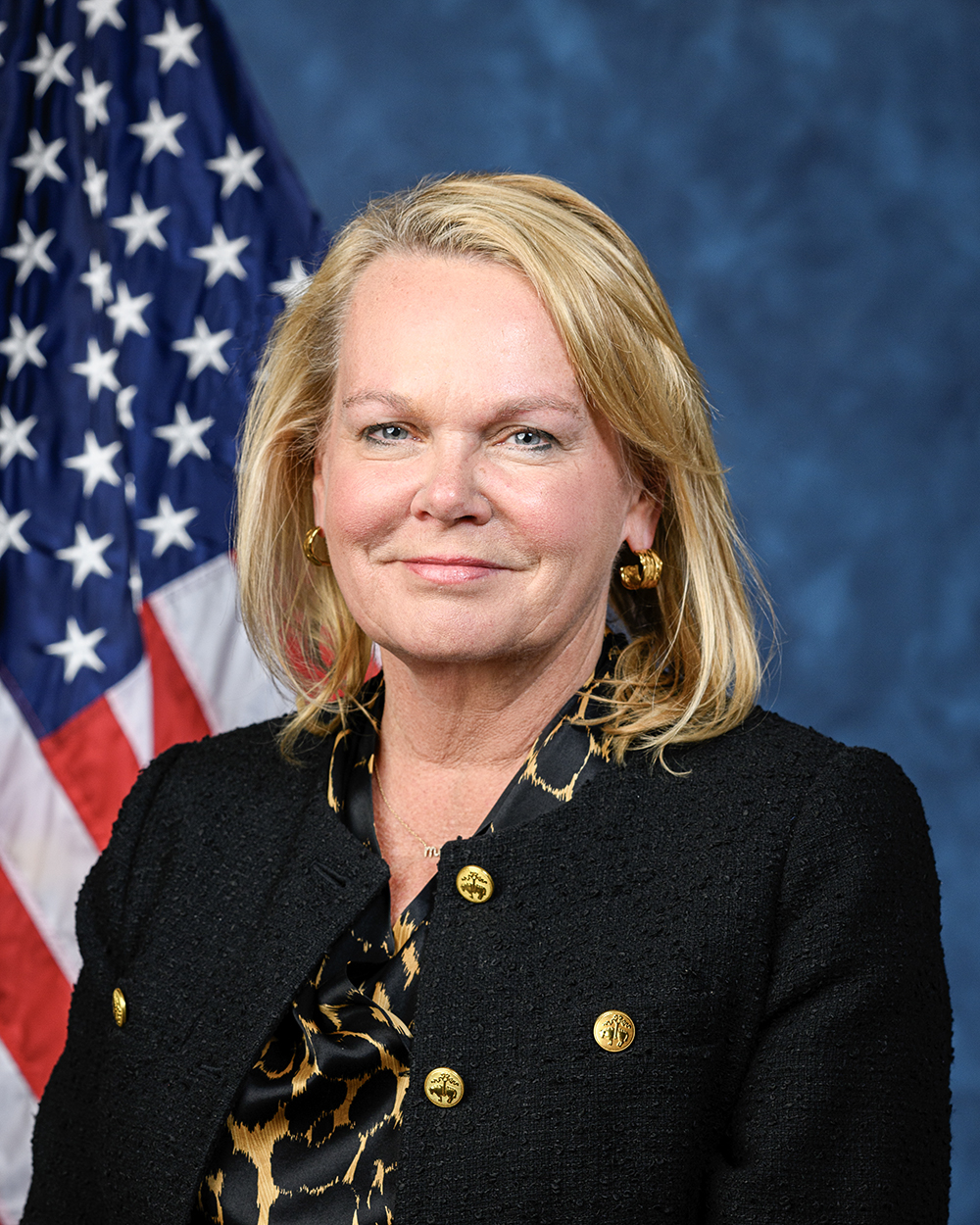
Rep. April McClain Delaney
Sponsored bills
Save America's Forgotten Equines Act of 2025 or the SAFE Act of 2025 This bill permanently prohibits the slaughter of equines (e.g., horses and mules) for human consumption. (Current law prohibits the slaughter of dogs and cats for human consumption. This bill extends the prohibition to equines.) Specifically, this bill prohibits a person from knowingly (1) slaughtering an equine for human consumption; or (2) shipping, transporting, possessing, purchasing, selling, or donating an equine to be slaughtered for human consumption or equine parts for human consumption. The bill subjects a violator to a fine. The bill applies to conduct in or affecting interstate or foreign commerce or within the special maritime and territorial jurisdiction of the United States. However, it does not apply to an activity carried out by an Indian for a religious ceremony. As background, in recent years, the appropriations acts have prohibited the Department of Agriculture (USDA) from using federal funds to inspect horses before they are slaughtered for human consumption. Therefore, there are currently no USDA-inspected horse slaughter facilities in the United States.
Maddy summaryHR 1417 establishes a new program within the U.S. Department of Agriculture to provide tailored technical assistance to rural health care facilities. The program directly supports facilities like hospitals, clinics, and health centers in rural areas by helping them identify operational needs, improve financial management, and access USDA loan and grant programs. Key provisions include prioritizing facilities in medically underserved areas or facing financial vulnerability, with a $2 million annual funding limit for fiscal years 2026-2030. The program requires annual reports on outcomes and effectiveness to Congress, focusing on preventing facility closures and strengthening rural health care delivery.
Maddy summaryHRES 260 designates March 27, 2025, as "National Women in Agriculture Day" to recognize women's contributions to U.S. agriculture. The resolution highlights that women represent over 1.2 million agricultural producers (more than one-third of all U.S. producers) and generated $222 billion in agricultural sales in 2022. It encourages citizens to recognize women working in agriculture and supports their roles in leading the industry, mentoring future agricultural workers, and advancing food production. This is a symbolic resolution with no new policies or funding, solely celebrating existing contributions during National Women’s History Month and National Ag Week.
Maddy summaryHR 2439 authorizes $50 million for fiscal year 2026 and $55 million for 2027 to fund the United Nations Population Fund (UNFPA), directly supporting its global programs. The bill specifies that these funds will help end preventable maternal deaths, address unmet contraceptive needs, combat gender-based violence, and end harmful practices like child marriage and female genital mutilation. UNFPA operates in over 150 countries, primarily aiding women and girls in developing nations and crisis zones, including those affected by conflict or natural disasters. The bill emphasizes UNFPA’s compliance with U.S. restrictions (not funding abortion) and its role in advancing U.S. strategic interests through voluntary family planning and reproductive health services.
Maddy summaryHR 2477, the Portable Ultrasound Reimbursement Equity Act of 2025, would amend Medicare rules to require equal reimbursement for portable ultrasound transportation and setup services as is currently provided for portable X-ray services. This change directly affects Medicare beneficiaries needing portable ultrasound exams and healthcare providers (like mobile clinics) who offer these services. The bill mandates that Medicare pay separately for portable ultrasound transportation and setup in the same way and to the same extent as portable X-ray services, using similar supplier requirements as existing regulations. The policy change would take effect for services provided on or after January 1, 2027.
Maddy summaryThe COST of Relocations Act (HR 2470) requires federal agencies to conduct a detailed benefit-cost analysis before relocating more than 5% or 100 employees (whichever is smaller) outside their current commuting area. Agencies must submit an unredacted report to their Inspector General, covering expected outcomes, stakeholder impacts, risk assessments, and how the move affects the agency's mission. The Inspector General then reviews the report and submits findings to Congress within 90 days, including an assessment of whether the relocation complies with existing OMB guidance. This law applies specifically to significant relocations of federal operations, ensuring transparency without overriding other legal requirements for such moves.
Maddy summaryHR 2429 requires the Secretary of Transportation to create and implement a 10-year campus modernization plan for the U.S. Merchant Marine Academy within 180 days. The bill directs the modernization of outdated facilities - including new training labs, a safety training pool, updated athletic facilities, and infrastructure upgrades like electrical systems and accessibility improvements - to support midshipmen training for maritime careers and national defense. It authorizes $1.02 billion in funding (starting in 2026) for phased construction and renovations over 10 years, prioritizing facilities needed for Coast Guard licensing exams, physical readiness, and campus safety. The plan directly affects the academy’s midshipmen, faculty, and operations by replacing aging infrastructure that currently hinders training.
Strengthening Agency Management and Oversight of Software Assets Act This bill requires federal agencies and Intelligence Community (IC) elements to assess their software inventory and develop software management plans. The bill requires each agency and each IC element to complete a comprehensive assessment of the software paid for by, in use at, or deployed throughout the agency or element. The assessment must include information such as (1) the current inventory of software; (2) contracts and other arrangements used to acquire, build, deploy, or use the software; (3) costs and fees not included in the initial contract or agreement; and (4) the interoperability of the software and restrictions on its use. Each agency and IC element must use their assessment to develop a plan to consolidate software entitlements, develop procedures for cost-effective acquisition strategies, and restrict subordinate entities from using any software entitlement without approval. (A software entitlement is software that has been purchased, leased, or licensed by or billed to an agency and that is subject to use limitations.) Such plans must be submitted to the Office of Management and Budget (OMB) and Congress. Within two years of enactment, OMB must submit recommendations to Congress regarding government software procurement policies and practices to • increase the interoperability of software licenses; • consolidate licenses when appropriate; • reduce costs; • improve performance; and • modernize the management and oversight of agency software. The GAO must report on certain related topics, including governmentwide trends in agency software asset management practices and comparisons of such practices among agencies.
Maddy summaryHR 2398, the Rural Veterinary Workforce Act, amends federal tax law to exempt certain student loan repayment or forgiveness assistance from income tax for veterinarians working in rural areas. It specifically expands existing tax exclusions to include programs under the National Agricultural Research, Extension, and Teaching Policy Act (7 U.S.C. 3151a) and similar state-level programs designed to increase rural veterinary access. This change directly affects veterinarians participating in qualifying loan repayment or forgiveness programs in states prioritizing rural veterinary services. The policy change modifies IRS tax treatment to reduce the financial burden on veterinarians serving underserved rural communities.