

Maddy summaryHR 5572, the Help FEDS Act, ensures federal employees who must work during government shutdowns (but aren't paid due to the shutdown) can access unemployment benefits through their state's program. The bill requires states to allow these "excepted" employees to apply for and receive unemployment compensation during fiscal years 2026-2027, while also mandating repayment if they later receive pay under a separate federal provision. The federal government will reimburse states 100% of the unemployment benefits paid to these employees plus related administrative costs, funded from the Unemployment Trust Fund. This directly affects federal workers performing emergency work during shutdowns and state unemployment systems managing these claims.
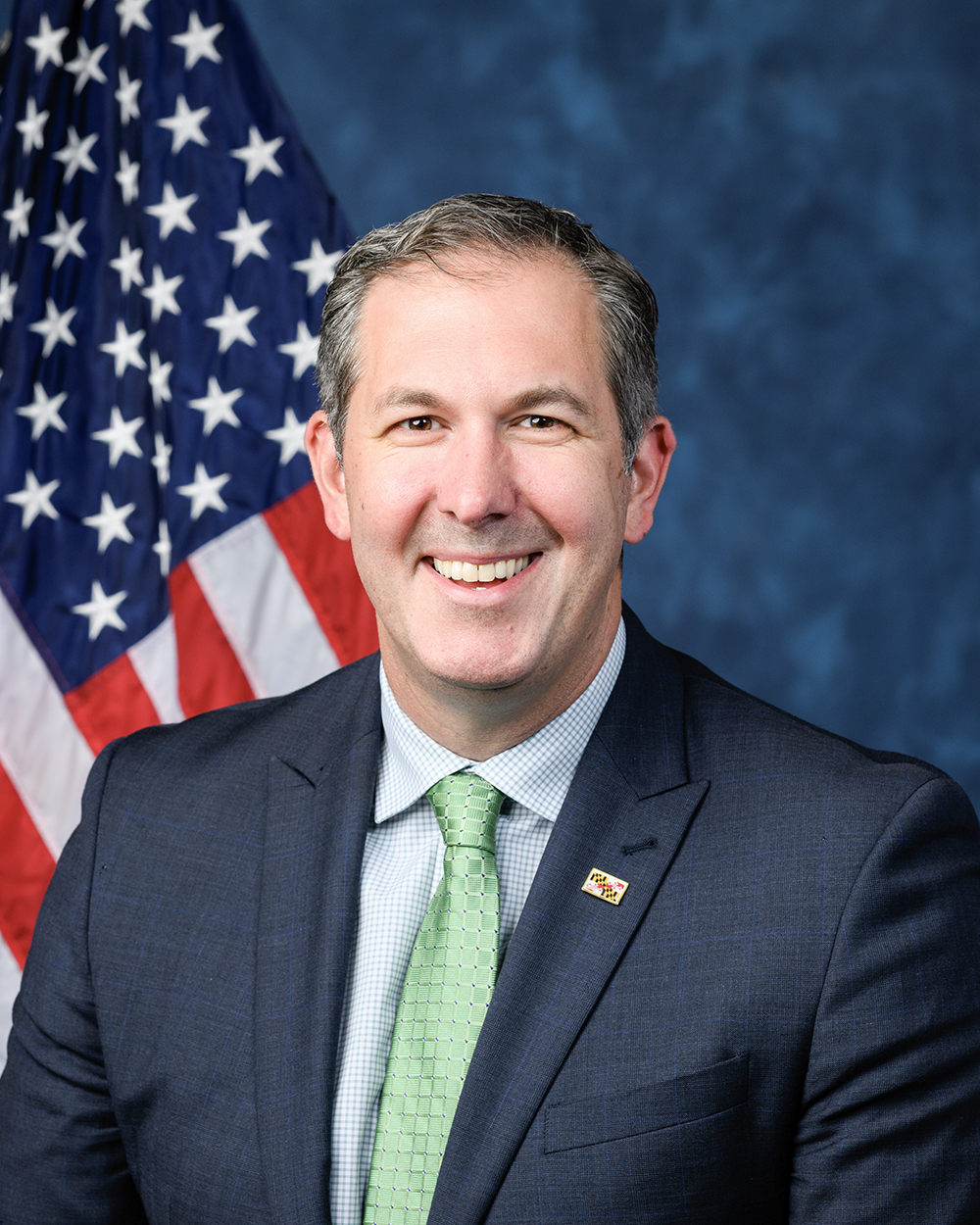
Rep. Johnny Olszewski, Jr.
Sponsored bills
Maddy summaryThis bill prevents federal agencies from terminating employees during a government shutdown caused by a lapse in discretionary funding. It prohibits removals of civil service employees at any agency affected by a funding gap, and if an employee is wrongfully removed, they can return to their job with back pay once funding resumes. The law directly protects all federal employees covered by the civil service system during shutdowns. It applies automatically to any funding lapse, requiring automatic reinstatement without needing separate legal action.
Maddy summaryThe RESIDE Act establishes a federal grant program to convert vacant, unsafe commercial or industrial buildings (like abandoned warehouses or hotels) into affordable housing. It provides up to $100 million annually for competitive grants to local governments and community organizations to renovate these properties into "attainable housing" for low-to-moderate income households (earning up to 120% of local median income). Priority is given to projects in economically distressed areas, designated opportunity zones, or communities with housing plans addressing specific needs. The program requires grants to fund property acquisition, renovation, and community land trusts, with a final report to Congress on its impact on housing access, blight removal, and local tax bases.
Maddy summaryHR 5568, the "Funding Small Businesses During Shutdown Act," ensures certain Small Business Administration (SBA) loan programs continue during government shutdowns by appropriating specific funds from the Treasury. It allocates $500,000 for section 7(m) loans, $2.9 billion for section 7(a) loans, $1.25 billion for Small Business Investment Act loans, and $13.775 million for administrative costs related to section 7(m) loans. These funds cover salaries and expenses to maintain loan servicing during any 30-day shutdown period (or pro-rated for shorter lapses), directly affecting small businesses relying on SBA loans. The bill creates a targeted funding mechanism to prevent program interruptions without requiring new appropriations during shutdowns.
Maddy summaryThis resolution condemns the use of federal regulatory agencies (like the FCC) or lawsuits to suppress lawful speech critical of political parties or the President, specifically referencing concerns about tactics mirroring authoritarian practices. It does not create new laws but formally warns that such actions undermine First Amendment protections and democratic norms. The resolution directly affects media organizations, journalists, and public discourse by calling on government agencies to avoid using their power for political retaliation. It reaffirms the House’s commitment to protecting free expression and urges officials to refrain from pressuring media to silence criticism.
Maddy summaryThis resolution (HRES 756) is a symbolic House of Representatives measure supporting the designation of September 2025 as "National Voting Rights Month." It directly affects the public by encouraging nationwide awareness campaigns, voter registration drives, and educational efforts about voting rights. Key mechanisms include urging Congress to pass voting rights legislation (like the Freedom to Vote Act), recommending schools teach about voting history and current restrictions, and promoting media campaigns to share election dates and registration deadlines. The resolution does not create new laws or policies but aims to foster civic engagement around voting access.
Maddy summaryHR 5529, the Fair Housing for Disabled Veterans Act, changes how veteran disability payments are treated when determining eligibility for low-income housing programs. Specifically, it amends the tax code to exclude disability compensation or pension payments (under 38 U.S.C. chapters 11 or 15) from income calculations for low-income housing tax credits and residential rental project bonds. This means disabled veterans applying for these housing assistance programs will not have their disability benefits counted as income, potentially making them eligible for more housing options they otherwise might have been disqualified from. The bill directly affects disabled veterans seeking affordable housing through these federally supported programs.
Maddy summaryHRES 746 is a non-binding resolution passed by the U.S. House of Representatives condemning all political violence - including attacks on elected officials, candidates, and public figures - and rejecting rhetoric that dehumanizes opponents. It specifically urges law enforcement to investigate and prosecute such violence, calls on public officials and media to avoid inflammatory language, and references recent incidents like the 2025 assassination of activist Charlie Kirk and targeted shootings of Minnesota legislators. The resolution does not create new laws but formally expresses the House’s commitment to protecting public servants and promoting peaceful political discourse. It directly affects the House’s public stance and serves as a call to action for officials, media, and communities to foster civil engagement.
Maddy summaryHJRES 122 proposes a constitutional amendment that would grant Congress and states explicit authority to regulate campaign contributions and spending intended to influence elections. It would allow for reasonable, viewpoint-neutral limits on how much money candidates and others can raise or spend, as well as enable public financing systems to reduce private wealth's influence in campaigns. The amendment would permit distinguishing between individuals and corporations in campaign finance rules, potentially banning corporate spending to influence elections. It explicitly states this amendment would not affect the freedom of the press.
Maddy summaryThis bill requires the 988 Suicide Prevention Lifeline to establish a dedicated "Press 3" option (via IVR) for LGBTQ+ youth seeking crisis support, directly affecting LGBTQ+ youth who face a four times higher suicide risk than peers. It mandates that at least 9% of funds allocated for the lifeline's services be reserved specifically for these specialized LGBTQ+ youth services. The bill amends existing law to formalize this dedicated resource, building on current services that handled over 1.5 million contacts from LGBTQ+ youth in 2025. This creates a concrete policy change for accessing tailored crisis support without altering other lifeline operations.