

Maddy summaryHR 6049, the No Payola Act, repeals a requirement that Senate staff notify the Senate when legal process seeks to disclose Senate data. It also requires Senators who received funds from private lawsuits under the repealed provision to repay those funds to the Treasury. The bill directly affects Senators who might have been involved in legal cases related to the repealed notification rules. This is a procedural change eliminating specific reporting obligations and financial penalties for certain Senate-related legal actions.
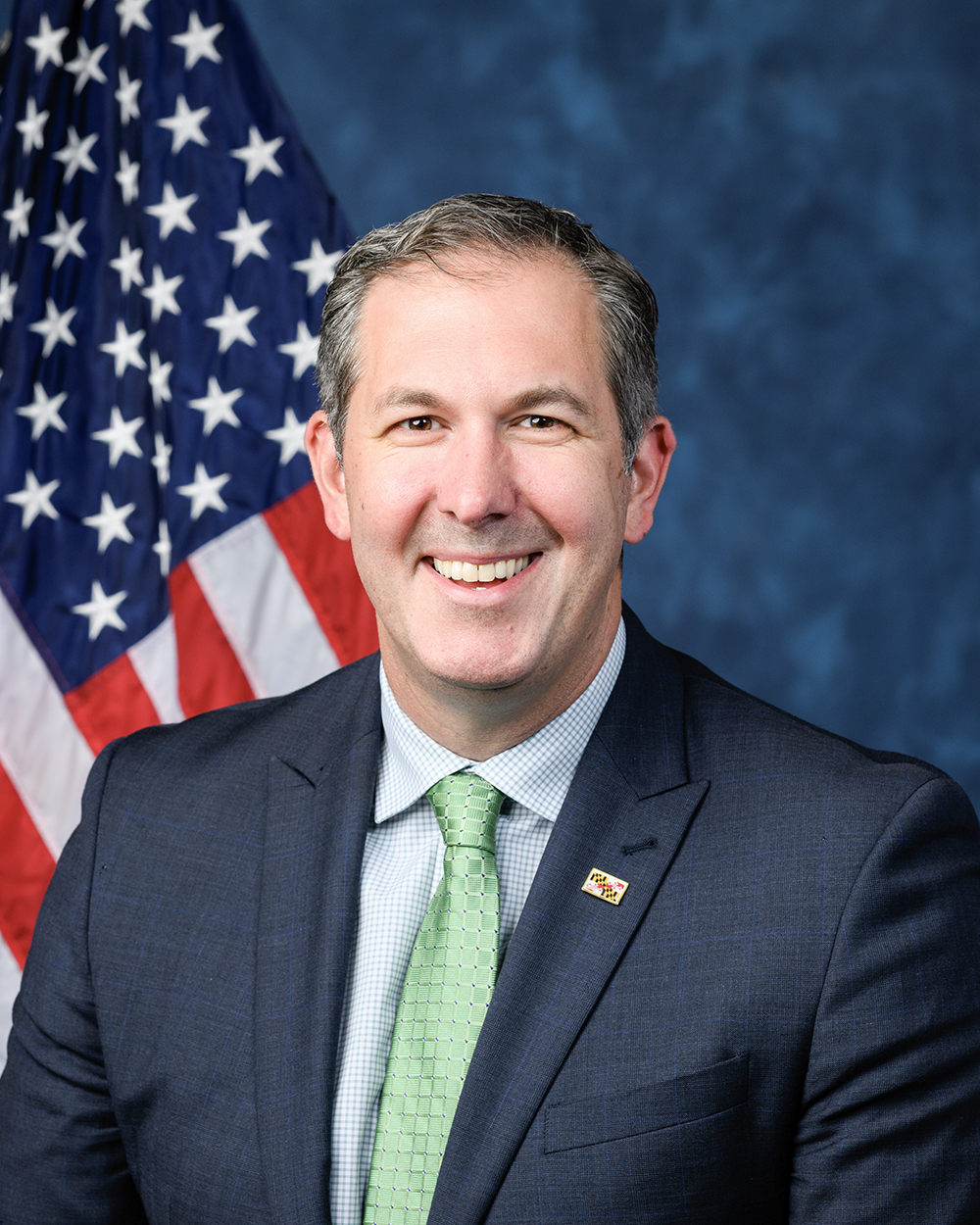
Rep. Johnny Olszewski, Jr.
Sponsored bills
Maddy summaryHR 6011, the VA Work-Study Improvement Act, expands opportunities for veterans and military members participating in the VA's work-study program. It allows them to work on activities with state/local governments or nonprofits that benefit veterans (e.g., community service or job training), and sets a new wage standard requiring payments to be the highest of federal employee rates, state minimum wage, or local minimum wage. The bill also requires electronic tracking of work hours and annual public reporting on program participation, including demographics, wages, hours worked, and participating schools. These changes apply to work-study payments made on or after January 1, 2028.
Maddy summaryThis bill ensures continuous funding for SNAP (food assistance) and WIC (nutrition program for mothers/children) during government funding gaps. It authorizes emergency Treasury funds to cover SNAP/WIC benefits and reimburse states for costs if Congress fails to pass regular appropriations for the Department of Agriculture by September 30, 2025. The funding covers missed payments retroactively from September 30, 2025, through the bill’s enactment date, and continues until either regular appropriations pass or September 30, 2026. It directly affects low-income households relying on these programs and state agencies administering them during funding lapses.
Maddy summaryThis bill requires states to allow eligible voters to register or update their registration at polling places on election day for federal elections, including during early voting periods. It applies to all states except those with existing laws eliminating voter registration requirements for federal elections. The key mechanism mandates that voters can both register and cast their ballot on the same day at designated polling locations. The requirement takes effect for the November 2026 general election and all subsequent federal elections.
Maddy summaryHRES 846 is a symbolic resolution designating October 2025 as National Domestic Violence Awareness Month. It expresses the House's support for raising awareness about domestic violence and its impacts, and calls for continued congressional attention to ending domestic violence through existing programs. The resolution does not create new laws, allocate funding, or directly affect any specific groups - it is purely a statement of support. It references statistics on domestic violence prevalence but focuses on awareness rather than policy changes.
Maddy summaryHR 5843, the "Shutdown Student Loans for Feds Act," would pause federal student loan payments for eligible federal employees and certain contractors during any government shutdown lasting 14+ days. It prevents interest from accruing on these loans during the pause and counts the paused months toward loan forgiveness eligibility under existing programs. The bill also requires credit agencies to treat paused payments as if they were made on time. This applies to shutdowns occurring in fiscal year 2026 or later, with retroactive effect covering shutdowns starting September 30, 2025, and potential refunds for payments made during those periods.
Maddy summaryHRES 807 is a procedural resolution requesting the President to provide specific documents to the House of Representatives about government employee pay during a funding gap. It asks for unredacted communications related to potential pay withholdings, legal arguments about the Government Employee Fair Treatment Act, and plans affecting furloughed federal employees during the October 1, 2025, appropriations lapse. The resolution directly targets the President and relevant agencies (like OMB and OPM) to disclose internal records within 14 days. It does not change policy but seeks transparency about decisions impacting federal workers' pay during a funding interruption.
Maddy summaryThis bill makes federal funding for the WIC program mandatory by requiring Congress to appropriate necessary funds annually for fiscal year 2026 and each subsequent year. It removes discretionary language from WIC funding requirements and clarifies that eligible participants must be served without participation limits. The bill directly affects low-income pregnant women, new mothers, and young children who rely on WIC for nutrition assistance, ensuring continued access to critical food, health, and education services.
Maddy summaryHR 5653, the Trust Through Transparency Act of 2025, requires U.S. Customs and Border Protection (CBP) and U.S. Immigration and Customs Enforcement (ICE) officers, as well as deputized personnel, to wear body cameras during all public immigration enforcement actions like stops, arrests, or checkpoints. Footage must be kept for six months unless it involves use of force, an arrest, a complaint, or a voluntary request for longer retention (up to three years) by officers, the public, or families. The bill mandates annual reports to Congress detailing enforcement actions, compliance issues, disciplinary actions taken, and public access to these reports (with privacy redactions permitted). It also creates an independent panel to advise on body camera policies, aiming to increase accountability in immigration enforcement.
Maddy summaryHR 5660, the Pay Our Military Act, ensures military personnel and support staff receive pay during a government funding gap in fiscal year 2026. It appropriates funds from the Treasury to cover pay and allowances for active-duty troops, reservists, Department of Defense civilian employees, and contractors supporting military operations, if Congress hasn’t passed regular funding by then. The funding remains available until either regular appropriations are enacted or January 1, 2027, whichever comes first. This is a temporary measure to prevent disruptions in military pay during budget negotiations.