

Maddy summaryHR 4959, the "Land of the Free Act of 2025," repeals a specific deportation provision in immigration law. It removes Section 237(a)(4)(C) of the Immigration and Nationality Act (8 U.S.C. 1227(a)(4)(C)), which previously allowed non-citizens to be deported for engaging in "protected speech activities." This change directly affects non-citizens who might have faced deportation under that provision for exercising free speech rights. The bill makes a concrete policy change by eliminating this exception to deportation.
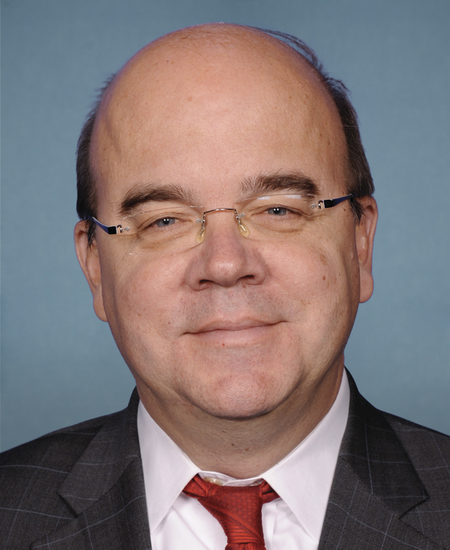
Rep. James P. McGovern
Sponsored bills
Maddy summaryThis bill amends the Food and Nutrition Act to clarify that Social Security benefits (income under Title II of the Social Security Act) are not counted when determining eligibility for SNAP (Supplemental Nutrition Assistance Program) benefits. It directly affects seniors receiving Social Security who rely on SNAP for food assistance, ensuring their Social Security payments do not reduce their SNAP benefits. The key change adds Social Security income to the list of non-countable resources under SNAP rules. The amendment takes effect 90 days after the bill is enacted.
Maddy summaryHR 4966 prohibits grocery stores from selling items at "grossly excessive prices," defined as 120% or more above the average market price over the previous six months (with exceptions for unavoidable cost increases like supply chain issues). It bans using facial recognition or personal data to set different prices for individual customers (e.g., adjusting prices based on shopping history) and requires clear signage if facial recognition is used. Stores over 10,000 square feet must replace electronic shelf labels with physical price tags. The Federal Trade Commission enforces these rules, allowing consumers to seek $3,000 per violation or actual damages, with penalties for willful violations.
Maddy summaryThe Ending Homelessness Act of 2025 would expand housing assistance to reduce homelessness through several key provisions. It would allocate 500,000 additional housing choice vouchers in 2025, increasing to 1 million annually by 2028 for extremely low-income families and individuals receiving supplemental security income. The bill prohibits housing discrimination based on source of income (including housing vouchers and Social Security benefits), provides $1 billion annually for emergency relief grants targeting high-need areas, and establishes a permanent entitlement program for housing vouchers starting in 2029. It also repeals certain ineligibility criteria for housing assistance and makes faith-based and private nonprofit organizations eligible for funding.
Maddy summaryThis bill requires the U.S. Department of State to include specific, detailed reporting on reproductive rights in its Annual Country Reports on Human Rights Practices. It mandates descriptions of each country's policies regarding access to contraception, abortion services, and comprehensive reproductive health care, alongside data on pregnancy-related deaths, discrimination against women and LGBTQI+ individuals, and disparities based on race, disability, or other factors. The bill also directs the State Department to consult with civil society organizations and health experts to ensure thorough reporting on these issues. This change aims to align U.S. reporting with international human rights standards and address past omissions of reproductive rights from these reports.
Maddy summaryHRES 629 is a non-binding House resolution honoring Dr. Paul Farmer and calling for U.S. policy changes to address global health inequities. It directly affects low- and middle-income countries by urging the federal government to adopt a "21st-century global health solidarity strategy," including increasing U.S. global health funding to $125 billion annually (to meet the UN 0.7% GNI target) and supporting national health systems through Dr. Farmer’s "Five S’s" framework (staff, space, stuff, systems, social support). The resolution also mandates addressing systemic economic harms like debt, tax evasion, and colonial legacies through debt cancellation, tax reform, and reparations for historical injustices. It emphasizes concrete policy shifts rather than funding alone, requiring coordinated multilateral action to close health financing gaps and reform global governance institutions.
Maddy summaryHRES 625 is a ceremonial resolution recognizing the 50th anniversary of Cabo Verde's independence from Portugal on July 5, 1975. It specifically celebrates the contributions of Cabo Verdean-Americans to democracy in both Cabo Verde and the United States, highlighting their historical ties and ongoing cultural bridges. As a non-binding resolution, it has no direct policy impact or effect on any group, serving solely to honor this milestone and diaspora contributions. The resolution does not create new laws, allocate funding, or change any existing policies.
Maddy summaryHR 4829, the Transnational Repression Policy Act, requires the U.S. government to develop a strategy to protect individuals targeted by foreign governments using cross-border tactics like harassment, intimidation, or surveillance against activists, journalists, diaspora communities, and political dissidents. The bill mandates an interagency strategy within 270 days, including raising international awareness, coordinating with allies, and holding accountable governments engaging in transnational repression. It also requires training for State Department and law enforcement personnel on recognizing these tactics and creating a public toolkit to connect vulnerable communities with federal resources. The law focuses on concrete actions like updating legal frameworks, improving outreach to affected groups, and reviewing how surveillance technology is misused by foreign actors.
Maddy summaryThis bill adjusts health insurance subsidies by modifying the premium tax credit structure under the Internal Revenue Code. It replaces previous income thresholds with a sliding-scale formula, increasing subsidies for households earning between 150% and 400% of the federal poverty level - reducing their required premium payments as income rises within these tiers. The changes apply to tax years beginning after December 31, 2025, directly affecting middle-income individuals and families purchasing coverage through health insurance marketplaces. It also repeals specific provisions from a prior reconciliation law related to health care.
Maddy summaryThis bill removes a barrier preventing most low-income students from accessing SNAP benefits. It amends the Food and Nutrition Act to explicitly allow students enrolled at least half-time in recognized higher education programs to qualify for SNAP, reversing a prior exclusion. The key change eliminates the previous requirement that students meet specific exceptions (now deleted) and adds a new eligibility category under Section 3(m)(5). This directly affects low-income undergraduate and graduate students at colleges and training programs who were previously ineligible. The changes take effect January 2, 2026.