

Maddy summaryHRES 846 is a symbolic resolution designating October 2025 as National Domestic Violence Awareness Month. It expresses the House's support for raising awareness about domestic violence and its impacts, and calls for continued congressional attention to ending domestic violence through existing programs. The resolution does not create new laws, allocate funding, or directly affect any specific groups - it is purely a statement of support. It references statistics on domestic violence prevalence but focuses on awareness rather than policy changes.
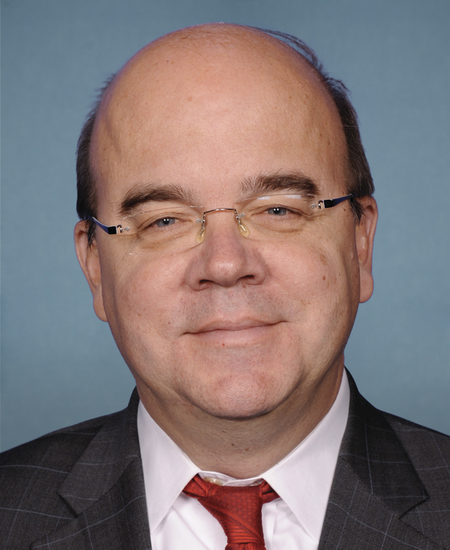
Rep. James P. McGovern
Sponsored bills
Maddy summaryHRES 849, the "Ban Crypto Corruption Resolution," would prohibit current and prospective federal elected officials (including the President, Vice President, Members of Congress, and their immediate families) from creating, endorsing, or holding digital assets like cryptocurrencies, memecoins, or NFTs. It requires these individuals to place existing digital assets in a blind trust during their service and for two years afterward, mandates full public disclosure of all crypto transactions, and bans foreign investment in politician-linked digital ventures. The resolution also establishes civil and criminal penalties for violations and clarifies that any personal crypto activities would be deemed unofficial acts. This applies broadly to all covered officials, aiming to prevent conflicts of interest, self-enrichment, and foreign influence through digital asset activities.
Maddy summaryHRES 843 is a symbolic resolution supporting the designation of October 30 as an "International Day of Political Prisoners" in the United States. It expresses the House's solidarity with global political prisoners - estimated at 1 million - including journalists, activists, and dissidents detained for political reasons without credible charges. The resolution urges the U.S. government to continue efforts to condemn political imprisonment, secure releases through diplomacy, and raise international awareness. It does not create new laws or directly affect specific individuals, as it is a non-binding expression of support for an existing international observance.
Maddy summaryHR 5895, the Protect Patients from Healthcare Abuse Act, requires Medicare-certified providers (like hospitals and clinics) to implement new policies by January 1, 2026. It mandates written patient information about their rights to understand care options, provide consent, and request a trained chaperone during sensitive procedures (such as genital or breast exams). Providers must also train staff on these rights, what constitutes a sensitive procedure, and proper chaperone duties, including reporting suspected abuse. These changes directly affect Medicare providers and aim to standardize patient protections in medical settings.
Maddy summaryHR 5867, the Plant-Powered School Meals Pilot Act, creates a federal grant program to help schools serve 100% plant-based meal options. It authorizes $10 million for grants to school food authorities (specifically those serving 50%+ students eligible for free/reduced-price meals) over three years to cover staff training, meal preparation, community partnerships, and procurement from underserved farmers. The bill also establishes a separate $2 million pilot to reimburse schools for nondairy beverage substitutions for students with dietary needs, prioritizing schools with high lactose intolerance rates. Both pilots require annual reporting on participation, meal counts, and fund usage, with final reports submitted to Congress.
Maddy summaryThe American Energy Independence and Affordability Act extends multiple clean energy tax credits that were set to expire between 2025 and 2026. It specifically extends residential clean energy credits through 2034, clean electricity investment credits for wind and solar through 2032, and clean vehicle credits for electric vehicles through 2032. The bill also reinstates special rates for sustainable aviation fuel and modifies requirements for energy-efficient home improvements. These provisions directly affect homeowners installing solar panels, businesses investing in clean energy infrastructure, and manufacturers producing clean energy equipment.
Maddy summaryHR 5819, the Balancing Incentives Act of 2025, requires patent owners to explicitly consent before a petition for inter-partes review or post-grant review of their patent can be filed. This bill amends sections 312(a) and 322(a) of U.S. patent law to add a new requirement that the patent owner must consent to the filing of such petitions. The change directly affects patent owners by giving them control over whether their patents face these administrative reviews. The bill makes no other policy changes and focuses solely on modifying the procedural requirement for initiating these patent reviews.
Maddy summaryThis resolution supports designating October 16, 2025, and October 16, 2026, as "World Food Day" in the United States. It encourages the public to observe these dates with appropriate ceremonies and activities. The resolution reaffirms the U.S. commitment to combating global food insecurity and malnutrition through humanitarian support and innovative approaches. It does not create new policies or affect specific groups, as it is a symbolic gesture recognizing an established international observance.
Maddy summaryThis resolution formally recognizes the vital role of Spanish-language media in serving over 41 million U.S. residents who speak Spanish at home. It affirms that access to Spanish-language news and entertainment is essential for community engagement, combating misinformation, and supporting democratic participation. The House resolution specifically commends Spanish-language media professionals and encourages policies that sustain this media sector, which provides culturally relevant information on elections, health, and civic life. As a symbolic gesture (not a law), it has no direct policy changes but highlights the sector's importance to Latino communities and national inclusivity.
Maddy summaryThis bill increases federal funding for school meal programs by adding 45 cents per lunch and 28 cents per breakfast served by school food authorities, effective November 1, 2025. The additional reimbursement applies to all meals served, including free, reduced-price, and paid meals, and will be adjusted annually for inflation starting July 1, 2026. It directly affects public schools and school districts participating in the National School Lunch and Breakfast Programs by boosting their per-meal funding. The policy change aims to support meal quality and accessibility without altering eligibility requirements or program administration.