

Maddy summaryThis bill ensures continuous funding for SNAP (food assistance) and WIC (nutrition program for mothers/children) during government funding gaps. It authorizes emergency Treasury funds to cover SNAP/WIC benefits and reimburse states for costs if Congress fails to pass regular appropriations for the Department of Agriculture by September 30, 2025. The funding covers missed payments retroactively from September 30, 2025, through the bill’s enactment date, and continues until either regular appropriations pass or September 30, 2026. It directly affects low-income households relying on these programs and state agencies administering them during funding lapses.
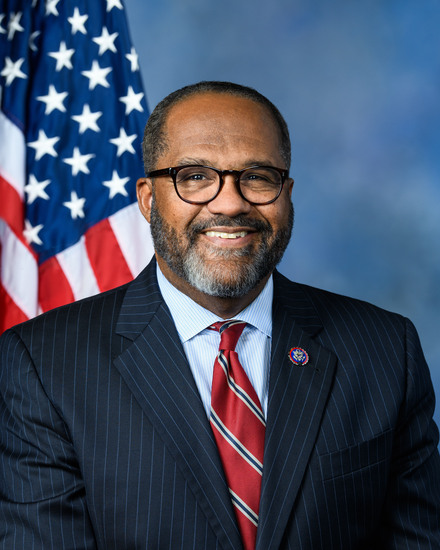
Rep. Troy A. Carter
Sponsored bills
Maddy summaryThis bill extends the annual open enrollment period for health insurance marketplaces (Exchanges) to cover the 2026 plan year. It requires the Health and Human Services Secretary to adjust the enrollment window to begin November 1, 2025, and end May 1, 2026 - significantly lengthening the typical enrollment period. This change directly affects individuals and families purchasing health insurance through federal or state-based marketplaces who rely on the annual enrollment period to select or change coverage. The key provision modifies the existing enrollment timeline under the Affordable Care Act, providing a longer window for enrollment decisions.
Maddy summaryHRES 855 is a non-binding House resolution expressing support for National Adoption Day (November 22, 2025) and National Adoption Month (November). It promotes awareness about children in foster care awaiting adoption - highlighting that 49,994 U.S. children were waiting for adoptive families in 2023 - and encourages the public to consider adoption. The resolution recognizes that every child deserves a permanent, loving family and urges Americans to support this goal throughout November and the year. As a symbolic gesture, it does not create new laws or policies.
Maddy summaryThis bill requires states to allow eligible voters to register or update their registration at polling places on election day for federal elections, including during early voting periods. It applies to all states except those with existing laws eliminating voter registration requirements for federal elections. The key mechanism mandates that voters can both register and cast their ballot on the same day at designated polling locations. The requirement takes effect for the November 2026 general election and all subsequent federal elections.
Maddy summaryHRES 846 is a symbolic resolution designating October 2025 as National Domestic Violence Awareness Month. It expresses the House's support for raising awareness about domestic violence and its impacts, and calls for continued congressional attention to ending domestic violence through existing programs. The resolution does not create new laws, allocate funding, or directly affect any specific groups - it is purely a statement of support. It references statistics on domestic violence prevalence but focuses on awareness rather than policy changes.
Maddy summaryHR 5849, the USCP Act, ensures Capitol Police officers continue receiving pay during government shutdowns. It directs funds from the Treasury to cover Capitol Police salaries and expenses if discretionary funding lapses after the bill's enactment. This directly affects U.S. Capitol Police employees, guaranteeing they are paid even when the federal government is partially closed. The bill provides a specific funding mechanism to prevent pay interruptions during shutdowns. It does not alter Capitol Police duties or create new requirements.
Maddy summaryThe American Energy Independence and Affordability Act extends multiple clean energy tax credits that were set to expire between 2025 and 2026. It specifically extends residential clean energy credits through 2034, clean electricity investment credits for wind and solar through 2032, and clean vehicle credits for electric vehicles through 2032. The bill also reinstates special rates for sustainable aviation fuel and modifies requirements for energy-efficient home improvements. These provisions directly affect homeowners installing solar panels, businesses investing in clean energy infrastructure, and manufacturers producing clean energy equipment.
Maddy summaryThis bill extends the National Flood Insurance Program (NFIP) through December 31, 2026, by amending key deadlines in the law. It directly affects homeowners and property owners in flood-prone areas who rely on NFIP insurance policies. The bill changes the program's funding expiration date from September 30, 2023, to December 31, 2026, and adds a retroactive provision ensuring the extension applies as if effective September 30, 2025, if enacted after that date. This provides continued access to federally backed flood insurance without immediate disruption.
Maddy summaryHR 5816, the HELP FEDs Act, protects federal employees from student loan penalties during government shutdowns. It prevents late fees, additional interest, and credit damage on qualified education loans (like federal student loans) when employees miss payments due to a funding lapse causing government operations to halt. The law requires the Department of Education to coordinate with loan servicers and credit agencies to remove any inaccurate negative credit reports from these missed payments, applying retroactively to shutdowns after October 1, 2025. The bill does not eliminate the need to repay loans but pauses penalties and credit impacts during covered disruptions.
Maddy summaryHRES 826 is a symbolic resolution supporting the designation of October 20-24, 2025, as "Careers in Energy Week." It raises awareness about energy sector job opportunities - spanning traditional and renewable energy fields, technical roles, and STEM education - to encourage students and young professionals to pursue these careers. The resolution does not create new laws or funding but urges educational institutions, industry groups, and communities to host events during this week. It directly affects public awareness of energy workforce pathways, not specific individuals or regulations.