

Maddy summaryHR 10273 directs the Secretary of Defense to study the health effects of indoor mold in military housing, specifically focusing on risks to service members, their families, and children living in covered housing (including unaccompanied and family housing). The study must examine harmful mold types, detection methods, health impacts like respiratory illnesses, and the effect on military readiness. Based on the study, the Department of Defense must develop model standards for preventing, detecting, and remediating mold, including new construction requirements to control moisture and ventilation. The bill also requires training military health professionals on mold-related illnesses and mandates public review of proposed standards.
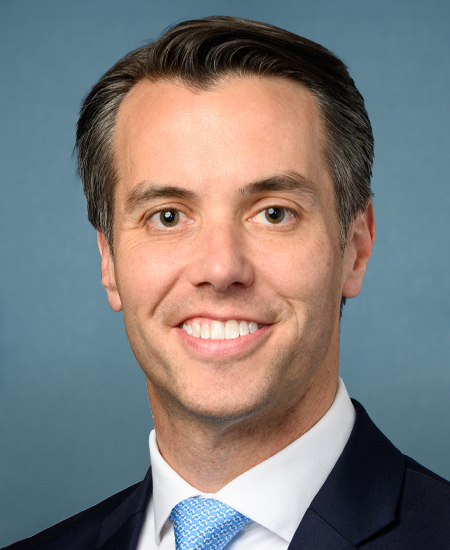
Rep. Morgan McGarvey
Sponsored bills
Maddy summaryThis bill extends the funding deadline for the Clean Energy Demonstration Program on current and former mine lands from 2026 to 2030, as specified in Section 40342(f) of the Infrastructure Investment and Jobs Act. It directly affects the program's authorization, allowing continued funding for clean energy projects on mined land through 2030. The key provision is simply changing the expiration date in the existing law, with no new requirements or program changes. This extension applies to projects already authorized under the Infrastructure Investment and Jobs Act.
Maddy summaryHRES 1581 is a symbolic resolution expressing congressional support for designating November 2024 as "Prematurity Awareness Month." It highlights the U.S. maternal and infant health crisis, including higher preterm birth rates and disparities affecting Black and Native American women and their infants. The resolution urges Americans, communities, and organizations to observe the month through events and education focused on preterm birth prevention. It does not create new laws or funding but aims to raise public awareness about this health issue, which contributes to infant mortality and costs an estimated $25.2 billion annually.
Maddy summaryHR 9806 establishes the Office of Veterans Experience within the Department of Veterans Affairs to improve veterans' access to benefits. The new office, led by a Chief Veterans Experience Officer appointed by the Secretary, will collect data on why veterans don’t use eligible benefits, analyze barriers (like lack of awareness or system issues), and report disaggregated findings to Congress by benefit type and demographic factors (age, race, gender, etc.). It also requires the VA to gather metrics from other departments to improve service delivery and mandates a GAO review of the 1-800-MyVA411 hotline's effectiveness within one year of enactment. The bill directly affects veterans by aiming to streamline their benefit access and VA staff responsible for data collection and reporting.
Maddy summaryThe VA Employee Fairness Act of 2024 modifies collective bargaining rules for employees of the Veterans Health Administration (VHA). It removes existing subsections (b), (c), and (d) from the law governing VHA employee bargaining and renumbers the remaining provision. This change streamlines the collective bargaining framework but does not alter the Secretary of Veterans Affairs' existing authorities over incentive pay and expedited hiring. The bill directly affects VHA employees by changing how their collective bargaining rights are structured under federal law. The law remains neutral, focusing solely on procedural adjustments to the existing bargaining framework.
Maddy summaryThis bill establishes minimum safety standards for railroad bridges and requires railroad carriers to provide detailed inspection reports classifying bridges as poor, fair, or good condition, including repair timelines and costs for bridges in poor condition. It mandates railroad carriers to post visible signs identifying bridge ownership and a contact number for public safety concerns, and creates a public database showing basic bridge condition information without detailed technical specifications. The bill also establishes a safety concern reporting system for the public and authorities, and requires the Department of Transportation to conduct randomized bridge inspections to verify reported conditions. Railroad carriers that fail to meet safety requirements face civil penalties, including weekly fines for continued operation of unsafe bridges.
Maddy summaryThe Child Safety and Well-Being Act of 2024 (HR 9875) establishes a Children's Commission to represent children's interests in federal policymaking. The Commission, composed of 15 diverse members including experts, youth with lived experience, and representatives from various backgrounds, will advise Congress and federal agencies on policies affecting children, particularly marginalized youth defined as those experiencing systemic barriers. The Commission will review agency actions, receive complaints about how children are treated, and publish annual reports with recommendations to improve child well-being policies. It is authorized $5 million annually for operations and must study the feasibility of requiring agencies to create "child impact statements" assessing how policies affect children.
Maddy summaryThis bill requires the Service Corps of Retired Executives (SCORE) to provide nationwide entrepreneurship counseling and training to people recently released from federal prisons. It mandates mentoring, business planning assistance, and help accessing capital to help them start or grow small businesses. Annual reports to Congress will track participation, demographics, and program effectiveness. The law directly affects formerly incarcerated individuals in federal custody, not state prisons.
Maddy summaryHR 7323, the Montgomery GI Bill Selected Reserves Tuition Fairness Act of 2024, ensures Selected Reserve service members (like National Guard and Reserve members) using Chapter 1606 benefits receive in-state tuition rates at public colleges. It amends existing law to require public institutions to charge these veterans the same in-state tuition rate as state residents, rather than higher out-of-state rates. This change applies to academic periods starting August 1, 2024, directly affecting Selected Reserve members pursuing education through the Chapter 1606 program. The bill expands a long-standing tuition fairness provision previously limited to other GI Bill programs (like Chapter 30) to cover Chapter 1606 recipients.
Maddy summaryHR 1719, the Honoring Our Fallen Heroes Act of 2023, establishes a presumption that certain cancers diagnosed in public safety officers (like police and firefighters) are work-related if linked to their duties. It defines 22 specific cancers (including lung, mesothelioma, and WTC-related cancers) as "exposure-related," allowing officers or their families to receive benefits without proving direct work connection, provided they were diagnosed within 15 years of leaving active service. The bill also creates a process for adding new cancers to the list based on scientific evidence, requiring the Bureau to review petitions and make decisions within 180 days. This applies to deaths or disabilities occurring on or after January 1, 2023, directly affecting officers who developed covered cancers during service.