

Maddy summaryHR 6014, the Right to Representation for Department of Veterans Affairs Workers Act of 2025, gives most VA employees the right to have a chosen representative present during examinations that could lead to disciplinary action. This applies to non-exempt VA workers (excluding senior executives, certain appointed staff, and political appointees) and requires the VA to allow representation during work hours if requested. The bill inserts a new section into VA employment law, mandating that employees be informed of this right and permitting representation at any examination where disciplinary action might result. It directly affects VA employees facing potential disciplinary proceedings, ensuring they can have support during these reviews.
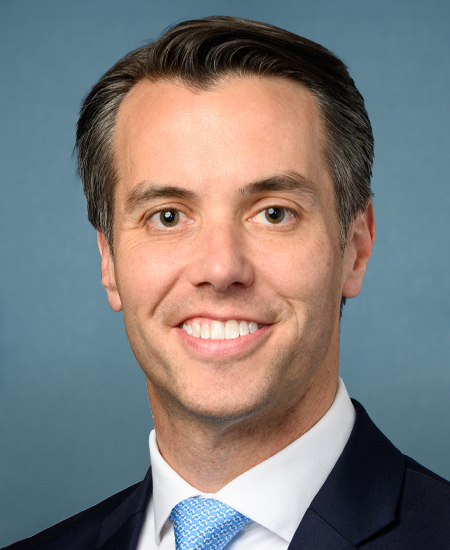
Rep. Morgan McGarvey
Sponsored bills
Maddy summaryHR 6011, the VA Work-Study Improvement Act, expands opportunities for veterans and military members participating in the VA's work-study program. It allows them to work on activities with state/local governments or nonprofits that benefit veterans (e.g., community service or job training), and sets a new wage standard requiring payments to be the highest of federal employee rates, state minimum wage, or local minimum wage. The bill also requires electronic tracking of work hours and annual public reporting on program participation, including demographics, wages, hours worked, and participating schools. These changes apply to work-study payments made on or after January 1, 2028.
Maddy summaryHR 6000, the Veterans’ Sentinel Act, requires the Department of Veterans Affairs (VA) to improve data collection and analysis of suicides and attempted suicides occurring on VA property. It mandates an annual evaluation of trends and prevention recommendations, establishes a working group to review root cause data (including Behavioral Health Autopsy Program findings), and standardizes data collection across VA facilities. The working group must develop unified reporting systems, modify incident forms to include on-campus suicide data, and coordinate with medical centers. The VA must submit annual briefings to congressional committees and a final report detailing the working group’s effectiveness and data management improvements. This bill directly affects VA facilities and veterans who experience suicide-related incidents on VA property.
Maddy summaryThis bill expands outreach to service members transitioning out of the military through the Solid Start program. It requires the Department of Veterans Affairs to coordinate with the Department of Defense to reach out to service members 120-210 days before separation, with priority for women veterans. Key provisions include calling each service member during this window to explain transitional health care options and provide contact information for disability claims assistance, plus collecting suicide prevention resources for crisis support. The law directly affects service members separating from the military by mandating structured pre-separation support.
Maddy summaryThis resolution designates the week of November 10-16, 2025, as "National Caregiving Youth Week" to highlight young people under 18 who provide regular care for family members with health conditions, such as chronic illness, disability, or aging. It aims to raise public awareness and encourage recognition of these youth, who often balance caregiving with school while facing challenges like mental health risks and reduced educational opportunities. The resolution urges educators, policymakers, and community leaders to better support this group but does not create new programs or funding. It focuses on symbolic recognition, not legislative action.
Maddy summaryHR 5966 establishes the Ohio River Basin Restoration Program within the Environmental Protection Agency (EPA) to advance large-scale restoration and protection of the Ohio River Basin. The program, funded with $350 million annually from 2026-2030, directs the EPA to create a dedicated Program Office and advisory council including representatives from the 14 Ohio River Basin states, tribal governments, and regional agencies. It requires projects to improve water quality, increase flood resilience, restore habitats, control invasive species, and remediate toxins - prioritizing natural infrastructure like restored wetlands over traditional structures. The program mandates annual public reporting on progress, funding use, and project outcomes, with the EPA developing a detailed action plan within two years of enactment.
Maddy summaryHCONRES 59 is a symbolic congressional resolution recognizing the historical challenges Black veterans faced upon returning home after military service, including systemic discrimination despite their sacrifices in conflicts from the Revolutionary War through Vietnam. It highlights their dual struggle - fighting for the U.S. abroad while confronting racism at home - and their pivotal role in advancing civil rights, citing examples like the Tuskegee Airmen and the 369th Infantry. The resolution specifically calls on the Department of Veterans Affairs to address ongoing health and benefit disparities affecting minority veterans. As a non-binding resolution, it does not create new laws but formally acknowledges this history and the need for equitable veteran care.
Maddy summaryThis bill, HR 5973, requires federal immigration enforcement personnel to follow strict limits on force use, including proportional application, mandatory de-escalation efforts, and prohibitions on equipment like flash bangs or rubber bullets except for specific public safety threats. It mandates body-worn and vehicle cameras for all operations, with footage retained for one year (three years for force incidents or complaints), and grants affected individuals the right to inspect recordings. The law also requires annual training on force policies, First Amendment compliance, and racial bias avoidance, while demanding detailed quarterly reports to Congress on force usage, assaults on agents, and equipment approvals. These provisions directly affect all federal immigration agents conducting enforcement actions, aiming to increase transparency and accountability during operations.
Maddy summaryThis bill requires states to allow eligible voters to register or update their registration at polling places on election day for federal elections, including during early voting periods. It applies to all states except those with existing laws eliminating voter registration requirements for federal elections. The key mechanism mandates that voters can both register and cast their ballot on the same day at designated polling locations. The requirement takes effect for the November 2026 general election and all subsequent federal elections.
Maddy summaryThe American Energy Independence and Affordability Act extends multiple clean energy tax credits that were set to expire between 2025 and 2026. It specifically extends residential clean energy credits through 2034, clean electricity investment credits for wind and solar through 2032, and clean vehicle credits for electric vehicles through 2032. The bill also reinstates special rates for sustainable aviation fuel and modifies requirements for energy-efficient home improvements. These provisions directly affect homeowners installing solar panels, businesses investing in clean energy infrastructure, and manufacturers producing clean energy equipment.