

Maddy summaryHJRES 44 is a congressional resolution seeking to block a 2021 rule by the Bureau of Alcohol, Tobacco, Firearms, and Explosives (ATF). The rule classified firearms with stabilizing braces as "short-barreled rifles," which would have required additional licensing and regulation. This resolution uses a specific legal process (under Title 5, U.S. Code) to formally disapprove the ATF rule, meaning the rule would no longer be in effect. It directly affects firearm owners, manufacturers, and dealers who would have been subject to the rule’s requirements.
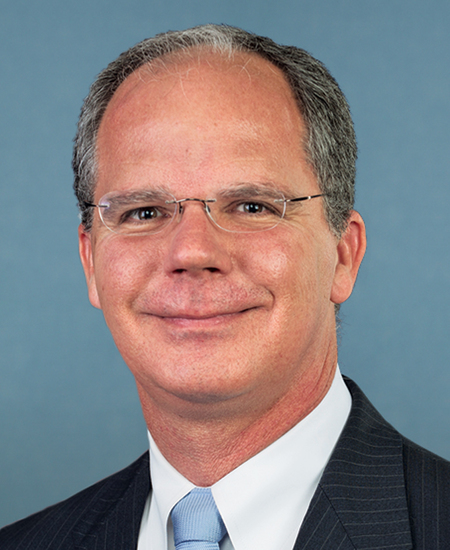
Rep. Brett Guthrie
Sponsored bills
Maddy summaryHJRES 45 is a congressional disapproval resolution targeting a specific Department of Education rule about federal student loans. It seeks to block the rule implementing "One-Time Federal Student Loan Debt Relief" (including modifications to Perkins, FFEL, and Direct Loan programs) by invoking the Congressional Review Act. If passed, this resolution would nullify the rule, preventing the Department of Education from using it to modify or waive student loan obligations. The bill directly affects borrowers who might have qualified for debt relief under the targeted rule.
Maddy summaryHR 277 would require Congress to approve major federal regulations before they take effect. Major rules are defined as those with significant economic impact ($100 million+ annually), major cost increases for consumers or industries, or significant adverse effects on competition, employment, or innovation. Agencies must submit detailed information about these rules to Congress, including cost-benefit analyses, before they can take effect. Congress would have 70 session days to approve the rule with a joint resolution; if they don't act within that timeframe, the rule would not take effect. This would increase congressional oversight of federal regulations and require more detailed information about proposed rules before they become law.
Maddy summaryThis bill prohibits providing, facilitating, or possessing wireless devices (like cell phones) in U.S. detention facilities (e.g., prisons, jails) if such actions violate existing federal or state laws. It imposes civil fines up to $50,000 per violation (capped at $1 million total) or criminal fines up to $50,000 for intentional violations. The law explicitly excludes lawful law enforcement activities and state enforcement powers, and defines "detention facility" broadly to include all correctional and penal institutions. It applies to conduct occurring after enactment.
Maddy summaryHR 1640, the Save Our Gas Stoves Act, prevents the Department of Energy from implementing energy efficiency standards for gas stoves that would make them unavailable in the U.S. market. It amends federal law to require that any new standard for gas stoves must not result in the unavailability of gas stove types, directly affecting gas stove manufacturers and consumers who rely on these appliances. The bill specifically blocks the implementation of the 2023 proposed rule (Energy Conservation Program: Energy Conservation Standards for Consumer Conventional Cooking Products) and any similar rule. This is a policy change focused on maintaining the availability of gas stoves by altering the criteria for energy standard approval.
Maddy summaryThis proposed constitutional amendment would give Congress the authority to ban physical acts that desecrate the U.S. flag, such as burning or trampling. If ratified by 38 states (three-fourths of all states), it would allow federal laws prohibiting such acts. The amendment does not currently prohibit flag desecration but seeks to change the Constitution to permit it. It would directly affect individuals engaging in physical flag desecration. The bill is pending in the House Judiciary Committee and requires state ratification to become part of the Constitution.
Maddy summaryThe School Guardian Act of 2023 creates a federal grant program to fund armed law enforcement officers at K-12 schools. It directs $80 billion in redirected IRS funds to provide grants to states, which then distribute subgrants to local law enforcement agencies to hire full-time officers for school security. Each school must have at least one assigned officer under written agreements between law enforcement agencies and schools. States must report annually on grant usage, including the number of schools and officers covered, with unused funds returned to the federal government.
Maddy summaryHR 3742 requires the Comptroller General to study how the federal government collects and shares public health data during emergencies like the COVID-19 pandemic. The study will examine federal authorities, policies, and tools used by the Department of Health and Human Services to gather data from and share it with states, local governments, tribes, hospitals, health systems, and private partners like labs and manufacturers. It will specifically assess challenges like redundant reporting requirements and compare federal data practices with those of private and nonprofit sectors. The Comptroller General must submit findings to Congress within 18 months of the bill’s enactment. This bill does not change existing law but mandates a review to improve future public health data systems.
Maddy summaryThe HALT Fentanyl Act expands the definition of fentanyl-related substances in the Controlled Substances Act to include many structurally similar compounds, making it easier to regulate new fentanyl analogs without individual listing. It defines these substances based on specific chemical modifications to fentanyl, with limited exceptions for substances already controlled or listed elsewhere. The bill also streamlines research procedures for schedule I substances by creating expedited registration processes and allowing multiple studies under one registration, while requiring the Attorney General to publish a list of substances meeting the new definition.
Maddy summaryHR 3693, the Migrant Relocation Transparency Act, requires federal agencies (HHS for minors, DHS for adults) to consult with state governors and local leaders at least three business days before moving non-detained migrants. It mandates monthly reports to Congress, state governors, and the public detailing migrant numbers by family status, age, gender, country of origin, housing types, work permits, federal spending, and security screenings. The reports must be published online and include specific data on resettlement methods, educational resources, and whether relocations are temporary or permanent. This bill directly affects state/local officials and federal agencies managing migrant relocation, aiming to increase transparency in federal migration policies.