

Maddy summaryHR 7185 reauthorizes the High Intensity Drug Trafficking Areas (HIDTA) program through 2030, with specific focus on fentanyl. It allocates $302 million annually for HIDTA operations and adds $14.2 million yearly for grants to enhance fentanyl seizure efforts through competitive grants. The bill requires annual reports detailing fentanyl seizures and trafficking data, and directs the Attorney General to assign at least 16 assistant U.S. attorneys to prioritize fentanyl trafficking cases. This directly affects federal drug task forces, law enforcement agencies, and prosecutors working on fentanyl-related investigations.
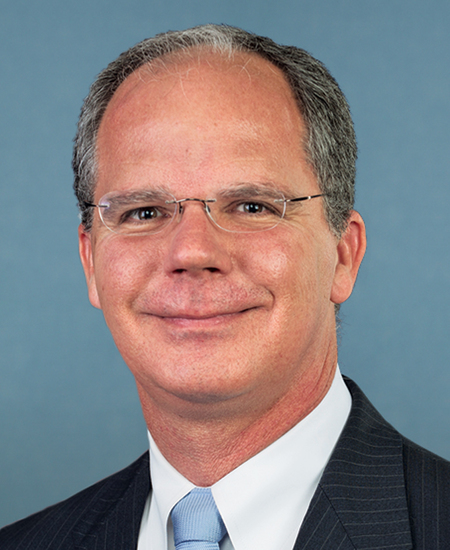
Rep. Brett Guthrie
Sponsored bills
Maddy summaryHR 7044, the "Woman’s Right To Know Act," requires abortion providers to give patients a specific 24-hour in-person informed consent form before performing an abortion. The form must detail the unborn child’s gestational age, medical risks of the procedure, and developmental milestones (like heartbeat presence), and must be signed by the patient, provider, and a witness. Providers who fail to comply face civil penalties of $100,000-$250,000 per violation or lawsuits from patients seeking damages, including triple the abortion cost. Exceptions apply if compliance poses immediate life-threatening risks to the patient. The bill directly affects abortion providers and patients seeking abortion services, mandating specific disclosure requirements and enforcement mechanisms.
Maddy summaryHR 7014, the Protect Medicaid Act, prohibits federal Medicaid funding for the administrative costs associated with providing health benefits to noncitizens who are not lawfully admitted permanent residents and are ineligible for Medicaid due to immigration status. It directly affects states that currently offer health benefits to such noncitizens, requiring them to cover administrative expenses through state funds instead of federal Medicaid dollars. The bill amends federal law to add a specific prohibition on using federal funds for these administrative costs, while leaving the provision of medical care itself unaffected. Additionally, it mandates an Inspector General report analyzing how states separate administrative costs, ensure compliance, and finance these programs, including impacts on drug pricing. The law focuses solely on administrative funding, not on restricting medical benefits for eligible individuals.
Maddy summaryThe Death Tax Repeal Act would eliminate the federal estate tax and generation-skipping transfer tax for estates of people who die on or after the bill's enactment date, and for generation-skipping transfers made after that date. It would also establish a new $10 million lifetime gift tax exemption (adjusted annually for inflation) and replace the existing gift tax rate schedule with a revised structure. These changes would primarily affect high-net-worth individuals and their heirs, as the estate tax and gift tax typically apply to large estates or gifts exceeding the new exemption threshold. The bill's provisions would take effect on the date of enactment, with transitional rules for the year the bill is signed into law.
Maddy summaryThe RIFLE Act of 2024 changes how the federal government handles violations by firearms licensees, affecting gun dealers and manufacturers who hold federal licenses. It creates a graduated penalty system where non-willful violations require the Attorney General to work with licensees to fix issues before taking action, while willful violations may lead to license suspension or revocation only after proper notice, hearing, and evidence of continued noncompliance. The bill establishes new procedures for administrative hearings, defines "willful" violations more clearly, and gives licensees 90 days to liquidate inventory after license expiration or revocation, with extensions possible for reasonable cause. These changes aim to create a more transparent process for addressing violations while maintaining public safety standards.
Maddy summaryThe Fiscal State of the Nation Act requires Congress to hold an annual joint meeting within 45 days of the Treasury Department submitting its audited financial statement. At this meeting, the Comptroller General (GAO) must present a nonpartisan, fact-based analysis of the federal government's current finances and long-term fiscal outlook, including deficits and sustainability projections. This analysis must then be formally included in the annual budget resolution. The meeting is open to the public, ensuring transparency in how Congress reviews the government's financial health.
Maddy summaryHR 6744, the "No VA Resources for Illegal Aliens Act," prohibits the Department of Veterans Affairs (VA) from providing health care or processing health care claims for individuals unlawfully present in the United States who are not already eligible for VA health care under existing law. This bill directly affects undocumented immigrants who do not qualify for VA benefits through standard veteran eligibility criteria. The key provision explicitly bars VA resources from being used for any care or claims processing for such individuals. The bill does not alter VA eligibility rules for veterans but prevents the use of VA funds for non-eligible non-citizens unlawfully present in the U.S.
Maddy summaryHR 6934, the Families’ Rights and Responsibilities Act, protects parents' fundamental right to direct their child's upbringing, education, and health care without government interference. It prohibits government actions that substantially burden these parental rights - including withholding benefits, imposing penalties, or excluding families from programs - unless the government proves a "compelling interest" and uses the "least restrictive means." The bill explicitly applies to all federal laws and requires courts to consider parental rights as a fundamental right under the Constitution, with exceptions only for actions causing serious child injury or death. It also adds parental rights to existing legal frameworks for recovering attorney fees in court cases involving these protections.
Maddy summaryHR 6734 prohibits the use of federal funds to finalize, implement, or enforce the Bureau of Alcohol, Tobacco, Firearms, and Explosives' (ATF) proposed rule (2022R-17) defining "engaged in the business as a dealer in firearms." This bill directly affects the ATF by blocking funding for this specific regulatory rule, which was proposed in August 2023. The legislation does not create new requirements but prevents federal resources from being used to advance this particular ATF regulation.
Maddy summaryThis bill reauthorizes and extends funding for programs addressing substance use disorders and opioid addiction, including residential treatment for pregnant and postpartum women, first responder training, and community recovery initiatives. It increases funding levels for these programs, adds xylazine to Schedule III of controlled substances, and requires a study on remote monitoring for patients prescribed opioids. The bill also expands Medicaid coverage requirements for medication-assisted treatment and mandates reporting on mental health condition data alongside substance use disorder data, directly affecting individuals with substance use disorders, healthcare providers, and state and tribal governments.