

Maddy summaryThe Prevent Interruptions in Physical Therapy Act of 2023 amends Medicare rules to allow physical therapists to use temporary replacement providers (locum tenens) for outpatient physical therapy services, aligning with existing provisions for physicians. This directly affects Medicare beneficiaries receiving physical therapy and physical therapy practices needing temporary staffing solutions during provider shortages. The bill updates the Social Security Act to extend the current physician locum tenens rule to physical therapists, ensuring continuity of care without requiring separate approval for temporary coverage. It applies to services furnished after the bill's enactment date.
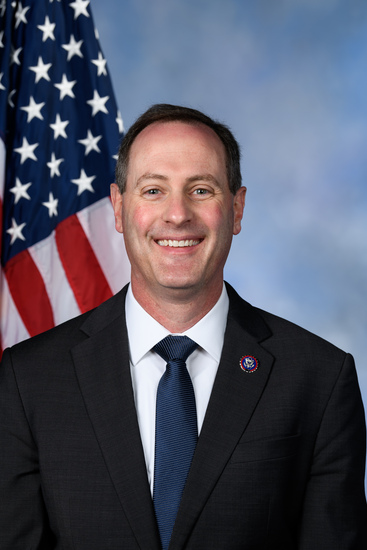
Rep. Tracey Mann
Sponsored bills
Maddy summaryHR 1610 would modernize Medicare coverage for chiropractic care by removing the current restriction that limited beneficiaries to one chiropractic service per visit. It expands coverage to include all services provided by licensed chiropractors within their state-authorized scope, aligning Medicare with VA, military, and private insurance practices. The bill requires chiropractors to complete a Secretary-approved educational webinar to cover non-spinal services, while still allowing payment for spinal manipulation treatments without this requirement. This directly affects Medicare beneficiaries seeking chiropractic care and chiropractors seeking Medicare reimbursement for their services.
Maddy summaryThe Critical Access Hospital Relief Act of 2023 removes a Medicare requirement that hospitals needed a physician's certification within 96 hours for inpatient services. This change directly affects critical access hospitals (CAHs), which are typically small, rural facilities serving remote communities. The bill amends Section 1814(a) of the Social Security Act to delete the 96-hour certification rule, effective January 1, 2024. This reduces administrative burden for CAHs by eliminating a specific documentation step for patient admissions. The policy change streamlines Medicare billing processes without altering payment rates or other core hospital services.
Maddy summaryHR 1399, the "Protect Children's Innocence Act," prohibits medical gender-affirming care for minors under 18 by making it a class C felony for providers to perform such care. The bill defines gender-affirming care broadly to include surgical procedures, hormone treatments, and certain cosmetic procedures, with exceptions for medical conditions like reproductive cancers or intersex conditions. It prohibits federal funding for gender-affirming care through programs like Medicaid, Medicare, and the Affordable Care Act, and bans such care in federal health facilities. The bill also prevents institutions of higher education from teaching gender-affirming care and adds immigration consequences for individuals who provide such care to minors.
Maddy summaryThis bill makes permanent Medicare coverage for cardiac and pulmonary rehabilitation services delivered via telehealth in patients' homes, which were temporarily allowed during the pandemic. It removes geographic restrictions that previously required in-person visits or limited services to specific locations like clinics. The change directly affects Medicare beneficiaries needing heart or lung rehabilitation and healthcare providers offering these programs. It ensures home-based telehealth visits for cardiac, intensive cardiac, and pulmonary rehabilitation receive the same coverage as in-clinic services under Medicare.
Maddy summaryThe Rural Physician Workforce Production Act of 2023 creates a new payment system to support medical residency training in rural areas. It allows hospitals, critical access hospitals, and rural emergency hospitals to receive additional payments for residents who train at least 8 weeks in rural locations, with payments based on national medical training costs adjusted annually. The bill requires hospitals to pay residents' salaries during rural training and defines "rural training location" using census data (rural areas, rural-urban commuting area codes, or locations near sole community hospitals). This program is designed to increase rural physician training without affecting existing residency program limits or Medicare funding for medical education. Payments are budget-neutral, meaning they won't increase overall Medicare spending on medical education.
Maddy summaryHR 589, the MAHSA Act, imposes U.S. sanctions on Iran's Supreme Leader, President, and affiliated entities responsible for human rights abuses and terrorism. It targets the Supreme Leader's Office, the President's cabinet, security forces involved in the crackdown following Mahsa Amini's death, and entities financing abuses. The bill requires the President to annually determine and apply existing sanctions - like property blocking and visa bans - against these individuals and entities. This directly affects Iran's top leadership and security apparatus, aiming to hold them accountable for abuses including the Morality Police's role in Amini's detention and the subsequent violent suppression of protests.
Maddy summaryThis bill extends a temporary COVID-19 emergency waiver that allows nurse aides in training to count hours worked during the pandemic toward their certification requirements at nursing facilities. It specifically permits these hours to satisfy the 75-hour minimum training requirement and allows facilities to conduct competency evaluations on-site if states don’t offer them weekly. The waiver remains in effect for at least 24 months after enactment, with a requirement for the Secretary to study its continued appropriateness within one year. The policy directly affects nurse aides working in skilled nursing facilities and nursing facilities under federal Medicare/Medicaid rules. It does not create new training programs but maintains pandemic-era flexibility for staffing.
Maddy summaryHR 407, the "Protect the UNBORN Act," prohibits federal agencies from implementing or enforcing two specific executive orders issued by President Biden in 2022 (Executive Orders 14076 and 14079), which aimed to protect access to reproductive healthcare services. The bill bans the use of federal funds, including those from the 2022 Consolidated Appropriations Act, to carry out, administer, or enforce these executive orders. It directly affects federal agencies and programs that would otherwise comply with the Biden administration's policies on reproductive healthcare access. The bill does not create new healthcare rules but blocks the implementation of existing executive actions.
Maddy summaryThis bill bans federal funding for abortions in most cases, prohibiting the use of taxpayer money for abortion services or health insurance plans covering abortion. Exceptions allow funding for abortions resulting from rape, incest, or when a pregnancy endangers a woman's life. It requires health insurance plans sold through the Affordable Care Act (ACA) marketplaces to clearly disclose any separate costs for abortion coverage and prohibits ACA subsidies from being used for plans that cover abortion (except in the specified exceptions). The law directly affects federal programs like Medicaid, ACA marketplace plans, and insurers offering health coverage to individuals using federal subsidies.