

Maddy summaryHR 3270, the Air Traffic Control Workforce Development Act of 2025, aims to strengthen the pipeline of air traffic controllers by improving training programs and retention. It provides $20 million annually (2026-2031) for colleges to develop specialized curricula and equipment through the Enhanced-Collegiate Training Initiative program, allowing graduates to be hired noncompetitively as controllers. The bill also establishes a committee to modernize training curricula and the Air Traffic Skills Assessment exam, while creating retention bonuses for certified controllers and mental health training for medical examiners. These changes directly affect colleges offering air traffic control programs, prospective controllers, and current FAA air traffic controllers.
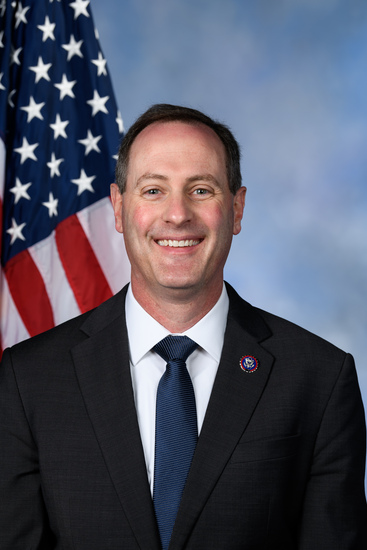
Rep. Tracey Mann
Sponsored bills
Maddy summaryHR 3206, the Protecting America's Property Rights Act, requires Fannie Mae and Freddie Mac (the "Enterprises") to use third-party insurance products regulated by state authorities for mortgage lien and title protection. It mandates that any mortgage purchased by these entities must involve products regulated by state insurance or financial authorities, as defined in existing federal law. To enforce this, the bill adds a 1.00% capital requirement on the unpaid principal balance of mortgages that don’t meet this standard. The Director of the Federal Housing Finance Agency must issue implementing regulations within 180 days of the bill’s enactment.
Maddy summaryHR 3184, the PFAS Alternatives Act, funds research to develop turnout gear (firefighter safety clothing) without harmful PFAS chemicals, directly affecting firefighters who wear this gear. It authorizes $25 million annually (2025-2029) for grants to eligible organizations to research and test PFAS-free gear, requiring partnerships with firefighting groups to translate findings into practice. The bill also allocates $2 million yearly (2027-2031) for training programs on safe gear use and decontamination. Its goal is to reduce firefighters' exposure to chemicals linked to occupational illnesses during operations.
Maddy summaryHR 976, the "1071 Repeal to Protect Small Business Lending Act," would repeal data collection and reporting requirements for small business loans under Section 704B of the Equal Credit Opportunity Act. This specifically removes the mandate for financial institutions - especially community banks and credit unions - to track and submit loan data by business characteristics like race or gender. The bill aims to reduce compliance costs for lenders, which its findings argue limit small business access to credit. The repeal would eliminate these reporting obligations and remove references to the requirement from related federal laws.
Maddy summaryHR 3137 extends federal tax credits for biodiesel production and use through 2026, directly affecting biodiesel producers, refiners, and businesses that purchase or use biodiesel. The bill updates tax code provisions to keep the biodiesel credit active until 2026 (instead of expiring in 2024) and prevents double benefits by disallowing credits for fuel already covered under a separate clean fuel production credit. It also extends related credits for second-generation biofuels until 2027 and applies to fuels sold or used after December 31, 2024. The changes maintain existing tax incentives without altering eligibility or creating new requirements.
Maddy summaryHR 3059, the Streamlining Critical Mineral Permitting Act, modifies the Solid Waste Disposal Act to create a new pathway for temporary hazardous waste permits. It directly affects mining and processing facilities handling "critical energy resources" (defined as energy resources essential to U.S. energy systems with vulnerable supply chains, as determined by the Energy Secretary). The bill adds a new category allowing these "critical energy resource facilities" to qualify for interim hazardous waste permits under Section 3005(e). This aims to expedite permitting for facilities processing minerals critical to clean energy and national security, without changing existing environmental standards.
Maddy summaryHR 3085, the Expanding Regional Airports Act, creates a new federal grant program to help specific regional airports expand their capacity. It authorizes $50 million annually to provide 3-10 grants per year to airports serving communities of at least 75,000 residents that are either general aviation airports or nonprimary commercial service airports. Grants can fund runway lengthening, expanded screening facilities, hangar construction, improved passenger amenities, and costs to meet federal security and operational requirements. This bill directly supports smaller airports seeking to handle more passengers and flights without requiring legislative changes to broader aviation policy.
Maddy summaryHR 3006 would limit Medicare coinsurance for certain surgical procedures performed in ambulatory surgical centers (ASCs). Specifically, it prevents patients from paying coinsurance exceeding the annual inpatient hospital deductible for those procedures. If the coinsurance amount would surpass the deductible, the Medicare program must reduce the patient's share to match the deductible and reimburse the ASC for the difference. This change applies to services provided on or after January 1, 2026, directly affecting Medicare beneficiaries using ASCs for qualifying surgeries.
Maddy summaryThis bill changes how the U.S. Postal Service (USPS) can adjust rates, limiting annual increases to once per year and tying rate changes to the Consumer Price Index minus 0.5%. It introduces new sanctions for USPS service failures, allowing the Postal Regulatory Commission to reduce rate adjustment authority if USPS misses service targets for over a year without a credible plan. The bill creates an Office of the Customer Advocate within the Postal Regulatory Commission to represent public interests in proceedings. It also improves complaint processes for mailers and requires an independent model for estimating mail volume demand, separate from USPS-developed models.
Maddy summaryThis bill creates a new program within the Supplemental Nutrition Assistance Program (SNAP) to provide point-of-sale incentives for purchasing specific dairy products. It targets SNAP households by offering incentives at checkout for fluid milk, yogurt, and cheese made from cow’s milk (defined as "naturally nutrient-rich dairy" under the bill). The program will fund competitive grants to state/local governments and nonprofits to implement these incentives, with $10 million allocated annually for implementation and evaluation. It also transitions existing dairy incentive projects into this new framework and repeals the previous program after a one-year transition period.