

Maddy summaryHJRES 111 is a joint resolution seeking congressional disapproval of a U.S. Fish and Wildlife Service rule on barred owl management. The rule, published in September 2024, outlined strategies to reduce barred owl populations to protect the endangered spotted owl. Under the Congressional Review Act, this resolution would nullify the rule, preventing its implementation. If enacted, the rule would have no legal effect, and the agency could not enforce the barred owl management strategy.
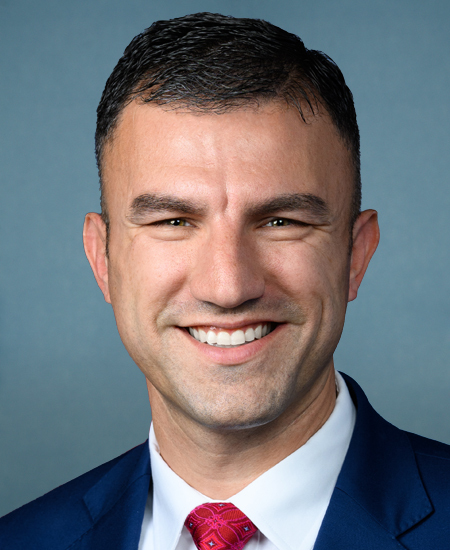
Rep. Rudy Yakym III
Sponsored bills
Veterans' Assuring Critical Care Expansions to Support Servicemembers Act of 2025 or the Veterans' ACCESS Act of 2025 This bill addresses the administration of the Veterans Community Care Program (VCCP) and other Department of Veterans Affairs (VA) health care matters. Among other provisions regarding the VCCP, the bill establishes in statute access standards that determine when a veteran is eligible to receive non-VA care through the VCCP, requires the VA to notify veterans regarding their eligibility for care within two business days after the VA is aware the veteran is seeking care, and extends the deadline for the submittal of claims under the VCCP by health care entities and providers. The VA must address its mental health treatment programs by establishing a standardized screening process to determine whether a veteran satisfies criteria for priority or routine admission to a mental health residential rehabilitation treatment program or a program for residential care for mental health and substance abuse disorders, tracking the performance of medical facilities and Veterans Integrated Service Networks in meeting the requirements for mental health treatment screenings and timely admission to treatment programs under such screenings, and establishing an appeal process for when a veteran is denied admission to a covered treatment program or is accepted into a program but not offered bed placement in a timely manner. Additionally, the VA must establish an online self-service module for veterans to request and manage appointments, track referrals, and appeal and track decisions related to requests for care.
Maddy summaryThis bill establishes state-level judicial threat intelligence centers to improve safety for judges and court staff. It defines "eligible organizations" (nonprofits with judicial security expertise) and requires the State Justice Institute to fund these centers to provide security training, threat monitoring, coordinate with law enforcement, and develop standardized reporting systems. The centers will create resources for judicial officer safety, conduct security assessments, and track threats through a national database. State Justice Institute must submit annual reports detailing threat types and severity to congressional committees. The bill directly affects state and local judges, court staff, and the nonprofit organizations operating these centers.
Maddy summaryThe Defending American Property Abroad Act of 2025 protects U.S. property interests in Western Hemisphere countries with U.S. free trade agreements. It requires the Secretary of Homeland Security to identify and list ports, harbors, or marine terminals where a foreign government has nationalized, expropriated, or seized U.S.-owned land (since January 2024) through actions like contract repudiation or forced control. Once listed, the President must prohibit vessels using these sites from importing goods, docking passenger vessels, or conducting maintenance in the United States. This directly affects U.S. persons (citizens or businesses) with property in designated locations.
Maddy summaryHRES 588 is a non-binding House resolution condemning the slogan "Globalize the Intifada" as a call to violence against Israeli and Jewish people worldwide. It urges U.S. national, state, and local leaders to publicly denounce the slogan, which the resolution characterizes as undermining safety and security. The resolution cites historical context of violence during past intifadas and recent antisemitic incidents to support its position. As a symbolic measure, it has no legal effect but aims to encourage leaders to reject the slogan.
Maddy summaryHR 1919, the "Anti-CBDC Surveillance State Act," prohibits the Federal Reserve from developing, testing, or issuing any central bank digital currency (CBDC) or similar digital assets. It specifically bans the Fed from offering direct financial products to individuals, maintaining individual accounts, or issuing CBDCs directly or indirectly through intermediaries like banks. The bill also blocks the Fed from using any digital asset for monetary policy and clarifies that physical currency's privacy protections remain intact. This policy directly affects the Federal Reserve System's ability to create or manage digital monetary tools.
Maddy summaryHR 4454, the SOIL Act of 2025, prohibits China, Iran, North Korea, and Russia (or entities controlled by them) from buying or leasing property within 10 miles of designated sensitive sites. These sites include U.S. military installations, ports, government facilities, and any property that could enable foreign intelligence gathering or expose national security activities to surveillance. The bill amends the Defense Production Act to create this restriction, effective upon enactment, and requires the Committee to notify Congress of any violations. It directly affects foreign entities from the specified countries seeking to acquire property near these defined national security locations.
Maddy summaryThe SHIELD Act would change unemployment benefit eligibility by barring workers from receiving regular unemployment compensation if they are unemployed due to a strike or labor dispute they are participating in, financially supporting, or have a direct interest in (excluding lockouts). This rule would require states to adjust their unemployment programs to deny benefits in such cases. The changes would take effect two years after the bill becomes law, though states could choose to implement them sooner. The bill also repeals a federal tax provision related to unemployment tax rates, but this is a secondary provision.
Maddy summaryThis resolution (HRES 583) condemns the July 7, 2025, attack on a U.S. Border Patrol facility in McAllen, Texas, where Ryan Louis Mosqueda injured agents and police. It expresses support for the affected personnel, wishes them a full recovery, and reaffirms the House’s backing of Border Patrol officers in their border security mission. The resolution directly addresses the McAllen community and Border Patrol staff impacted by the violence, serving as a symbolic statement of solidarity without creating new laws or policies.
Maddy summaryThis bill extends funding deadlines for sport fish restoration and recreational boating programs through 2031, updating prior expiration dates. It clarifies funding for interstate fisheries commissions and adds new definitions for alternative marine fuel infrastructure, including facilities dispensing fuels derived from recycled oils or plant materials. The bill also establishes a 3% tax rate (down from 10%) for portable, electronically-aerated bait containers sold by manufacturers. These changes primarily affect recreational boaters, sport fishing programs, and facilities seeking to install alternative fuel infrastructure.