

Maddy summaryThe SERVE Act expands eligibility for Veterans Affairs benefits to former service members discharged due to sexual orientation or gender identity (including gender dysphoria). It directly affects veterans who received entry-level separations, honorable discharges, or other-than-honorable discharges for these reasons, making them eligible for VA hospital care, mental health counseling at Vet Centers, national cemetery interment, education benefits, and housing loans. The bill amends existing VA benefit statutes to include this group by adding specific language to each relevant provision. It also requires the VA to conduct outreach to inform affected veterans and submit a report tracking benefit usage by demographic categories within 15 months of enactment.
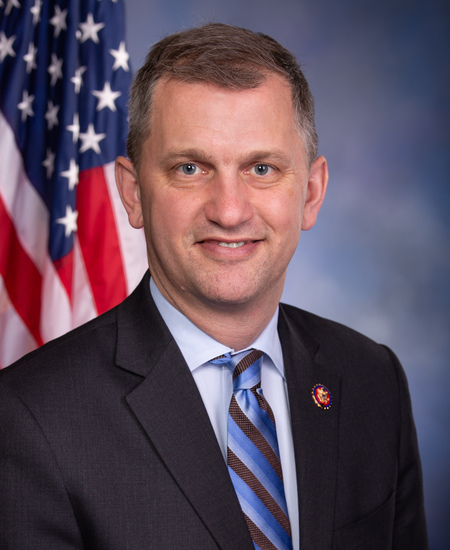
Rep. Sean Casten
Sponsored bills
Maddy summaryThis bill requires the FAA to update regulations within two years to encourage pilots and air traffic controllers to seek and disclose mental health care, based on recommendations from a task group. Key provisions include annual reviews to expand approved medications for mental health conditions, recruit additional aviation medical examiners (with $13.74 million annually for 2025-2028), and fund a public awareness campaign ($1.5 million yearly) to destigmatize mental health support in aviation. It also mandates reporting on clinical research and National Transportation Safety Board recommendations related to aviation mental health. The bill directly affects aviation medical examiners, pilots, air traffic controllers, and FAA oversight processes.
Maddy summaryHR 6319 (the 911 SAVES Act of 2023) requires the Office of Management and Budget to reclassify public safety telecommunicators as "Protective Service Occupations" within 30 days of enactment. This change corrects their current misclassification in the federal Standard Occupational Classification (SOC) system, which is used for statistical data on jobs. The bill directly affects how these professionals - critical in emergency calls involving missing children, active threats, and officer safety - are officially categorized in government workforce data. It does not create new benefits or funding but aims to better recognize their lifesaving role through accurate federal job classification.
Maddy summaryThis bill creates a new occupational category (code 31-1123) within the federal Standard Occupational Classification system specifically for direct support professionals (DSPs) who assist people with intellectual or developmental disabilities. It directly affects DSPs, state agencies, and federal data collectors by reclassifying their work - currently grouped under home health aides - into a distinct category. The key mechanism is revising the SOC system to better track DSP workforce data, address high turnover rates (43% nationally), and recognize their unique role in promoting clients' independence and community inclusion. This change aims to improve data accuracy for addressing staffing challenges, without altering service delivery or benefits.
Maddy summaryThe Kids Online Safety Act (HR 7891) would require major online platforms (with high revenue or user numbers) to implement safety features for children and teens, including default protective settings, parental controls, and age verification. It would mandate platforms to report annually on risks to minors and their safety measures, and prohibit advertising harmful products (like tobacco, alcohol, or gambling) to minors. The bill directly affects social media platforms, online video games, and video streaming services that are used by minors, with the goal of preventing mental health harms, compulsive usage, and cyberbullying.
Maddy summaryThis bill directs the Joint Committee on the Library to procure a statue of Benjamin Franklin and place it in the U.S. Capitol. The committee must secure the statue within two years of the bill's enactment and install it in a public-accessible location by January 1, 2026, for viewing during Capitol Visitor Center guided tours. It is a procedural measure with no policy changes or direct impact on constituents or legislation.
Maddy summaryThis bill requires states to notify registered voters at least 7 days before federal elections if their polling place has changed from the previous federal election. If a polling place change occurs less than 7 days before an election, states must make reasonable efforts to allow voters to cast ballots at their previous polling location on election day. It applies to all voters affected by such changes for federal races (e.g., presidential, congressional), with requirements taking effect for elections on or after January 1, 2026. The bill amends the Help America Vote Act to establish these notification standards, directly impacting voters and state election administrators.
Maddy summaryHR 9558, the Exported Carbon Emissions Report Act of 2024, requires the Environmental Protection Agency (EPA) to track and publish annual comparisons of two types of emissions: (1) carbon dioxide and methane emissions from fossil fuels used within U.S. borders, and (2) emissions from fossil fuels produced or refined in the U.S. and then exported abroad. The EPA must collect this data for the previous ten years, using scientific standards and consulting with energy agencies, and make the reports publicly available online. This bill directly affects the EPA (as the implementing agency) and provides the public with transparent data on U.S. fossil fuel-related emissions both domestically and internationally. It does not change emissions levels or regulations but establishes a reporting mechanism for accountability.
Maddy summaryThis bill would require the federal government to cover 100% of state agencies' costs for SNAP program staff salaries, hiring, and training. It sets minimum wage standards for SNAP workers at the same rate as federal employees, with annual updates tied to federal pay increases. States must submit detailed wage plans for federal approval. The policy aims to improve staffing stability and retention for SNAP operations.
Maddy summaryHR 3507, the "Yes In My Backyard Act," requires local governments receiving certain federal Community Development Block Grants (CDBG) to report on their progress toward adopting specific housing-friendly land use policies. It directly affects cities and counties that administer CDBG funds by mandating they submit plans tracking 22+ policy changes, such as allowing duplexes in single-family zones, reducing parking requirements, or streamlining permits. The bill does not require local governments to adopt these policies but requires them to document their current status and plans for implementation. This reporting mechanism aims to identify barriers to affordable housing without binding local governments to specific actions. The requirement applies to CDBG recipients starting one year after the bill's enactment.