

Maddy summaryThe ACPAC Modernization Act (HR 3780) updates the Aviation Consumer Protection Advisory Committee (ACPAC) by adding "ticket agents" as a new member category and extending the committee's term from 2023 to 2028. This change directly affects ACPAC's composition, which advises the Department of Transportation on airline consumer issues. The bill modifies existing membership rules to include representatives from the ticket purchasing industry - such as travel agencies and online booking platforms - who help consumers buy flights. The update ensures ACPAC's structure better reflects current airline industry stakeholders without altering the committee's core advisory role.
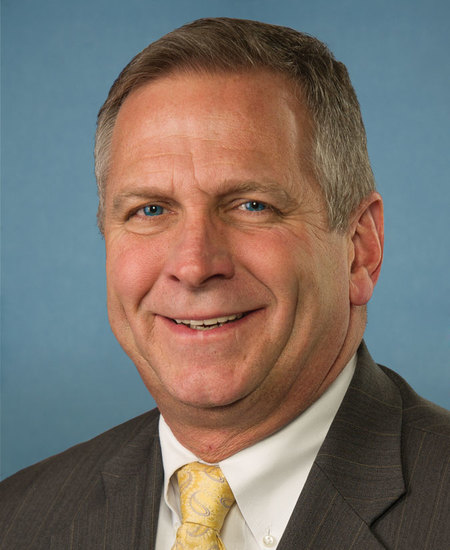
Rep. Mike Bost
Sponsored bills
Maddy summaryHR 3036, the Increased TSP Access Act of 2023, amends conservation program rules to expand access to third-party providers (TSPs) who offer technical assistance to farmers on conservation practices. It creates new pathways for non-Federal entities like agricultural cooperatives or professional associations to certify TSPs, streamlines certification processes (requiring Secretary review within 10 business days), and sets payment rates for TSPs equivalent to government-provided technical assistance. The bill mandates public reporting on certification numbers, payment details, and a target utilization rate for TSPs to improve conservation program delivery. It directly affects farmers participating in USDA conservation programs by increasing options for technical support and requiring transparency in how TSPs are certified and compensated.
Maddy summaryThe VET-TEC Authorization Act of 2023 establishes a new program under the Department of Veterans Affairs to provide educational assistance for high technology training to eligible veterans. It limits participation to 8,000 veterans annually and funds non-degree programs in fields like computer programming that last 6-28 weeks. The program ties funding to student employment outcomes, with training providers receiving payments based on graduates finding jobs in their field within 180 days. This program directly affects veterans with at least 36 months of active duty service who haven't reached age 62, and educational institutions that meet specific quality standards for high technology training.
Maddy summaryThe HALT Fentanyl Act expands the definition of fentanyl-related substances in the Controlled Substances Act to include many structurally similar compounds, making it easier to regulate new fentanyl analogs without individual listing. It defines these substances based on specific chemical modifications to fentanyl, with limited exceptions for substances already controlled or listed elsewhere. The bill also streamlines research procedures for schedule I substances by creating expedited registration processes and allowing multiple studies under one registration, while requiring the Attorney General to publish a list of substances meeting the new definition.
Maddy summaryThis bill creates a new tax credit for expenses related to "qualified access technology for the blind" under the Internal Revenue Code. It allows taxpayers to claim a credit of up to $2,000 per year (adjusted for inflation) for costs paid for hardware, software, or IT that converts visual information into formats usable by blind individuals, covering the taxpayer, their spouse, or a dependent who is blind. The credit is limited to $2,000 over any three consecutive tax years per blind individual and expires after 2028. It directly affects blind individuals and their families who purchase qualifying assistive technology. The credit cannot be claimed for expenses already covered by other tax deductions or credits.
Maddy summaryThe READI Act prohibits U.S. military installations from housing undocumented immigrants or individuals in immigration removal proceedings. It directly affects military bases (excluding overseas locations) and individuals without lawful immigration status or undergoing deportation processes. The law explicitly bans using domestic military facilities for this purpose, aligning with existing immigration rules that define "unlawful presence." This creates a clear policy change by restricting the use of military infrastructure for immigration detention.
Maddy summaryThis bill requires that AM radio receivers be included as standard equipment in all new motor vehicles (such as cars and trucks) sold in the United States, with a rule to be issued by the Department of Transportation within one year. The rule must ensure AM radio is easily accessible on the dashboard and allows manufacturers to use digital AM radio technology instead of traditional AM. During the one-year period between the bill's enactment and the rule's effective date, manufacturers must clearly label vehicles without AM radio. The bill also directs a study to evaluate whether an alternative system could deliver emergency alerts as reliably as AM radio across the country, especially during crises.
This bill repeals provisions terminating the First Responder Network Authority (FirstNet) and the Government Accountability Office reporting requirement for such termination. The FirstNet mission is to deploy, operate, maintain, and improve the first high-speed, nationwide wireless broadband network for first responders.
Maddy summaryHR 3337, the Fuels Parity Act, removes a prohibition that previously excluded corn starch ethanol from being counted as "advanced biofuel" under the Clean Air Act. This change directly affects corn-based ethanol producers by allowing corn starch ethanol to qualify under renewable fuel standards. The bill also requires the EPA to update its methodology for calculating greenhouse gas emissions from corn-based ethanol and biomass-based diesel every five years, starting 90 days after enactment, with the first update mandating the use of the Argonne National Laboratory's GREET model. These provisions aim to standardize how emissions are assessed for these fuels under federal renewable fuel programs.
David Dorn Thin Blue Line Retention Act This bill reauthorizes for FY2024-FY2028 and modifies Department of Justice grants to provide family support services to law enforcement personnel. Among other changes, the bill allows grants to support the hiring and retaining of law enforcement personnel and to increase their salaries.