

Maddy summaryHR 4140, the Burma GAP Act, requires the U.S. to prioritize accountability for genocide and crimes against humanity committed against Rohingya in Myanmar. It establishes a U.S. Special Representative for Burma to coordinate international sanctions, support Rohingya protection efforts, and advance transitional justice, with specific funding authorizations of $5 million annually for atrocity investigations and $4 million for evidence collection. The bill directs the State Department to support Rohingya refugees in Bangladesh through humanitarian aid, gender-based violence prevention, education, and legal assistance, while promoting durable solutions like safe repatriation and citizenship rights. It mandates annual reports to Congress on U.S. efforts to address atrocity risks, document crimes, and advance accountability, directly affecting Rohingya communities, the Burmese military junta, and U.S. foreign assistance programs.
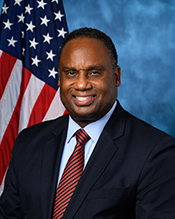
Rep. Jonathan L. Jackson
Sponsored bills
Maddy summaryThis bill requires federal student loans under part D of the Higher Education Act to use a standardized "student loan contract" (replacing the current "master promissory note") for loans disbursed on or after its effective date. It specifically restricts each contract to apply only to the same academic award year as the initial loans it covers, preventing its use across multiple enrollment periods. The law directly affects undergraduate and graduate students receiving federal loans under part D, as it changes how their loan agreements are structured and applied. Key provisions include renaming loan documents and clarifying their limited scope to a single award year.
Maddy summaryThis resolution (HRES 592) expresses the U.S. House of Representatives' support for Nelson Mandela International Day, designated by the United Nations on July 18. It honors Nelson Mandela's legacy as an anti-apartheid leader, global symbol of reconciliation, and advocate for peace, human rights, and democracy. The resolution urges all U.S. citizens to reflect on his values of tolerance and democracy but has no legal effect or direct impact on policies or individuals. As a ceremonial resolution, it does not create new laws or obligations.
Maddy summaryThe Black Farmers and Socially Disadvantaged Farmers Increased Market Share Act creates a new grant program to support food hubs that increase market access for socially disadvantaged farmers and ranchers. The program provides competitive grants for food hubs to develop infrastructure, equipment, and marketing services, with priority given to projects benefiting underserved communities. The bill also establishes a 25% tax credit for businesses that purchase agricultural products from these food hubs and requires USDA to prioritize purchasing from socially disadvantaged farmers in domestic food assistance programs. These provisions aim to address historical barriers to market access for socially disadvantaged farmers by supporting their participation in food distribution systems.
Maddy summaryThe Price Gouging Prevention Act of 2025 prohibits selling goods or services at grossly excessive prices during exceptional market shocks like natural disasters, energy shortages, or public health emergencies. It creates a presumption of violation when companies with "unfair leverage" (revenue over $1 billion, dominant market position, or other factors) increase prices beyond normal market fluctuations. The law requires public companies to disclose detailed pricing information in SEC filings during these emergencies, including explanations for price increases and how costs affected pricing. The Federal Trade Commission and state attorneys general would enforce the law, with civil penalties up to 5% of a company's revenue for violations. The bill also appropriates $1 billion to fund FTC enforcement efforts.
Maddy summaryHR 4516, the Saving Lives and Taxpayer Dollars Act, prohibits the U.S. government or its aid partners from destroying food, medicine, vaccines, or other foreign assistance commodities before they expire, requiring these items to be redirected to intended beneficiaries instead. The bill mandates that agencies like USAID, State, and Agriculture must make every effort to donate or sell expired aid items to those in need before disposal. It also requires annual reports to Congress detailing any expired, spoiled, or destroyed aid items, including reasons for not redirecting them and associated costs. This directly affects U.S. foreign aid agencies and their global partners, ensuring aid reaches people facing hunger, disease, or health crises rather than being wasted.
Maddy summaryThis bill authorizes $30 million annually (2026-2030) to fund grants for partnerships between sexual assault programs and health/wellness providers, behavioral health programs, and disability services. It directly supports survivors of sexual assault - especially adult survivors of childhood abuse - by requiring grantees to develop trauma-informed, culturally relevant services like therapy, housing assistance, and care coordination. Eligible recipients include state/tribal coalitions, nonprofit rape crisis centers, and tribal organizations, which must use funds for specific activities including prevention, screening, and staff training while protecting survivor privacy. Grantees must report on program effectiveness, and the bill also updates existing law to explicitly include sexual assault in related provisions.
Maddy summaryThis bill requires all federal agencies to set specific equity goals in their strategic and performance plans, mandating at least one goal or 20% of total goals focused on improving services for underserved communities and individuals. It establishes an "Agency Equity Advisory Team" with 10+ agency roles (including civil rights, data, and human capital leaders) and creates an "Equity Subcommittee" to coordinate across agencies on equitable practices. The bill also updates data officer responsibilities to prioritize equitable data collection, use, and sharing, including collaboration with community groups and state/local governments. It directly affects all federal agencies and aims to reshape how government services are delivered to populations systematically excluded from economic, social, and civic opportunities.
Maddy summaryThe Gun Safety Incentive Act establishes voluntary best practices for safe firearm storage (e.g., in homes, vehicles, businesses) through the Attorney General, requiring public education and annual updates. It mandates that firearm manufacturers include a "SAFE STORAGE SAVES LIVES" notice with every handgun, rifle, or shotgun starting in 2027, directing consumers to a public website with storage guidance. The bill also creates a $10 million annual grant program for states and tribes to fund local safe storage device distribution programs and offers a tax credit (up to $400 per device) to manufacturers selling safe storage devices. These provisions directly affect firearm manufacturers, state/local governments, and safe storage device sellers, focusing on accessible storage education and financial incentives without restricting firearm ownership.
Maddy summaryHCONRES 44 is a symbolic resolution recognizing a health and safety emergency for children linked to the Trump administration's climate policies. It claims these policies - unleashing fossil fuel production, blocking renewable energy, and suppressing climate science - disproportionately harm children through increased air pollution, extreme weather, and denied access to climate data. The resolution calls for reversing these policies, restoring the EPA's mission, and ensuring climate action aligns with protecting children's rights. It does not enact new laws or change policy, but serves as a formal congressional statement of concern.