

Maddy summaryHR 5086, the COLAs Don’t Count Act of 2023, amends the Food and Nutrition Act to exclude certain cost-of-living adjustments (COLAs) from counting as income for Supplemental Nutrition Assistance Program (SNAP) eligibility. Specifically, it removes increases from Social Security (Title II), Supplemental Security Income (Title XVI), Railroad Retirement, and Veterans benefits (38 U.S.C. §5312) from SNAP income calculations when determining household eligibility. This change directly affects SNAP recipients whose benefits include these COLAs, potentially allowing more households to qualify for assistance. The amendment takes effect October 1, 2024.
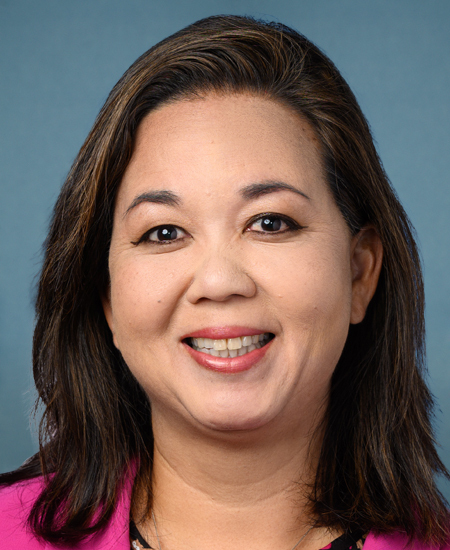
Rep. Jill N. Tokuda
Sponsored bills
Maddy summaryThis bill requires retailers to label beef as "United States origin" only if the entire production process - from birth to slaughter to packaging - occurred in the U.S. It directly affects beef retailers and importers selling beef in the U.S. market. The law increases penalties for non-compliant beef labeling to $5,000 per pound (up from $1,000 for other products) and mandates a report to Congress on false labeling of foreign beef as U.S.-origin. The report must assess how much falsely labeled beef was sold since 2013, identify offending packers, and estimate economic losses for U.S. ranchers.
Maddy summaryHR 5246, the National Agricultural Crisis Hotline Act of 2023, creates a federally funded 24/7 crisis hotline specifically for farmers, ranchers, farm workers, and their families facing mental health or substance use challenges. The hotline must provide real-time voice and texting support, staffed by licensed professionals trained in agricultural mental health stress, with 24-hour follow-up calls and translation services. It requires collecting detailed call data and partnering with existing farm helplines, the 988 Suicide Lifeline, and USDA programs to connect callers to resources. The bill appropriates $19 million annually (starting 2024) for the hotline's operation, including $4 million yearly for the hotline itself, and mandates an annual effectiveness report to Congress. This directly addresses the documented crisis of elevated suicide rates among agricultural workers by expanding accessible, specialized mental health support.
Maddy summaryHR 5250, the Flooding Prevention, Assessment, and Restoration Act of 2023, requires the U.S. Department of Agriculture to conduct a national study on flood risks to agricultural lands within two years, analyzing economic losses, downstream effects, and existing flood data. It amends the Emergency Watershed Program to allow federal restoration projects that exceed immediate needs for long-term watershed health and adjusts funding for watershed rehabilitation projects, providing up to 65% federal cost coverage (up to 90% for "limited resource areas") for structural repairs near or past their lifespan. The bill directly affects farmers, agricultural producers, and local watershed management groups by mandating a comprehensive flood risk assessment and modifying federal support for flood prevention infrastructure. Key provisions include requiring detailed reports on flood impacts to crops/livestock and establishing new funding tiers for rehabilitation projects.
Maddy summaryHR 5203, the AGRITOURISM Act, establishes a new Office of Agritourism within the U.S. Department of Agriculture (USDA). This office, led by a Director appointed by the Secretary, will promote agritourism activities - including farm-based education, recreation, direct sales, accommodations, and dining - to support rural agricultural businesses. The bill requires the USDA to coordinate with existing agencies, update programs, provide technical assistance, and share best practices for agritourism businesses. It directly affects small and family-run farms in all states by integrating agritourism into USDA's existing support systems. The legislation focuses on structural changes within the USDA, not new funding or regulations.
Maddy summaryThis bill amends the Food and Nutrition Act of 2008 to explicitly include "urban and rural" areas of Hawaii in references to the state's food assistance programs. It makes a technical correction to Section 3(u)(2) by inserting "urban and rural" before "Hawaii" in two places within the law. The change clarifies that Hawaii's food assistance programs must cover both urban and rural communities, without altering eligibility, benefits, or funding. This is a procedural update to the existing statute, not a substantive policy change. The bill directly affects food assistance program administration in Hawaii.
Maddy summaryHR 5162 increases funding and clarifies grant terms for agricultural education programs serving Alaska Native and Native Hawaiian communities. It raises annual funding from $10 million (2023) to $15 million (2024-2028) for grants to Alaska Native and Native Hawaiian-serving institutions focused on agriculture education. The bill also limits each grant to a maximum 3-year period, replacing previous indefinite terms. These changes directly affect institutions receiving these specific agricultural education grants.
Maddy summaryHR 4943, the Enabling Farmers to Benefit from Processing Nutrition Programs Act of 2023, simplifies how farmers and ranchers can join federal nutrition programs like SNAP, senior farmers' market programs, and WIC farmers' market initiatives. It requires the USDA to create either a single application for all programs or a system that automatically shares approved vendor information across programs, eliminating duplicate paperwork for farmers. The bill also mandates the use of standardized mobile technology, such as mobile apps or single-point equipment, to process benefits at farmers markets and direct-to-consumer sales. This directly benefits direct marketing farmers and ranchers by reducing administrative barriers to participating in these nutrition assistance programs.
Maddy summaryHRES 719 is a symbolic resolution designating the week beginning September 24, 2023, as "National Source Water Protection Week." It does not create new laws or directly affect individuals or entities, but expresses congressional support for raising public awareness about protecting drinking water sources. The resolution highlights the importance of safeguarding water quality and quantity for public health, the environment, and community resilience. It encourages collaboration among local, state, and federal entities to promote water conservation and protection efforts.
Maddy summaryThis bill amends the Higher Education Act to require all U.S. colleges and universities receiving federal financial aid to create detailed anti-harassment policies covering physical, online, and institution-sponsored settings. It mandates policies prohibiting harassment based on race, sex (including sexual orientation and gender identity), disability, religion, and other protected characteristics, including harassment via institutional email, computers, or electronic messaging. The bill also establishes a $50 million annual grant program to fund colleges developing prevention programs, victim support services, and training for students and staff on recognizing and addressing harassment. These policies and grants must comply with existing civil rights laws like Title IX but add specific requirements for reporting and prevention.