

Maddy summaryHR 8973 amends the American Indian, Alaska Native, and Native Hawaiian Culture and Art Development Act to update governance requirements for Native Hawaiian art and culture grant programs. The bill requires governing boards overseeing these grants to include Native Hawaiians and recognized experts in Native Hawaiian arts, with members serving fixed terms. This directly affects organizations receiving federal grants for Native Hawaiian cultural preservation and artistic development. The changes clarify board composition and structure without altering the grant program's core funding or eligibility.
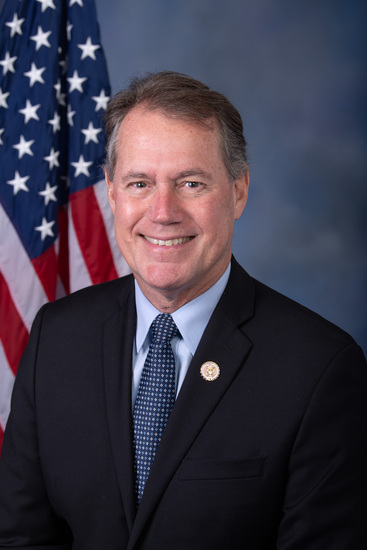
Rep. Ed Case
Sponsored bills
Maddy summaryHR 5567, the CLASS Act, prohibits public elementary and secondary schools receiving federal education funds from accepting money or entering contracts with the Chinese government, Chinese Communist Party, or entities acting on their behalf. Schools must disclose any foreign funding sources within 30 days, including the foreign entity’s name, country, amount received, and any terms or conditions. This applies to all schools receiving federal financial assistance under applicable programs, as defined by existing education laws. The bill aims to restrict foreign influence in U.S. school systems by requiring transparency about foreign funding. It does not alter school curricula or address content, only funding sources and disclosure requirements.
Maddy summaryHRES 1332 is a symbolic resolution recognizing June as LGBTQIA+ Pride Month. It encourages the celebration of Pride Month to honor the historical struggles and achievements of LGBTQIA+ people in the United States, while acknowledging the ongoing challenges they face. This resolution does not create new laws or policies, but serves as a formal recognition of LGBTQIA+ rights as human rights and highlights their integral role in American history. The resolution was introduced by multiple members of Congress and passed by the House of Representatives.
Maddy summaryHRES 1335 is a non-binding resolution designating July 21, 2024, as "Guam Liberation Day" to commemorate the U.S. military's liberation of Guam from Japanese occupation on July 21, 1944. It directly affects Guam's community by honoring the island's historical resilience, the CHamoru people's suffering during the 1941-1944 occupation, and the U.S. military's role in the Pacific campaign. The resolution's key mechanism is a formal House endorsement of this commemorative date, urging the President to issue a proclamation encouraging public observance. This is a symbolic gesture with no legal or financial impact, focusing solely on historical recognition.
Maddy summaryThis bill requires the Comptroller General to study menopause care provided by the Department of Veterans Affairs (VA) to women veterans. The study will examine current VA services for perimenopause, menopause, and related conditions, including provider training, diagnosis protocols, access to care, veteran awareness, and care quality. The Comptroller General must issue a report within 18 months, followed by a VA strategic plan within 6 months to improve care based on the findings. The bill directly affects women veterans seeking VA health services related to menopause symptoms but does not change existing benefits or funding.
Maddy summaryThis bill requires the Secretary of Commerce to standardize and publish geospatial data about public ocean and waterway access rules on a public website within 4 years. It mandates detailed information on where fishing is restricted, waterway closures, speed limits, allowed vessel types (like motorboats or kayaks), and fishing method rules. The data will include geographic boundaries of protected areas, seasonal closures, and navigation details like depth charts. This directly affects recreational users (boaters, anglers) and commercial operators who need clear, up-to-date access information for Federal waterways and fishing areas. The bill does not change existing fishing regulations but makes compliance information more accessible.
Maddy summaryHR 8843, the American Music Tourism Act of 2024, amends the Visit America Act to direct the Assistant Secretary of Commerce for Travel and Tourism to identify and promote U.S. locations and events significant to music tourism for both domestic and international travelers. It requires the Assistant Secretary to specifically promote travel to music-related attractions (like museums, studios, and venues) and music festivals/concerts. The bill also defines "music tourism" as traveling to visit music sites or attend live music events. Finally, it mandates an annual report to Congress on progress toward these tourism goals, starting one year after the bill's enactment.
Maddy summaryThis bill creates a federal framework for "extreme risk protection orders" (ERPOs) that temporarily remove firearms from individuals who pose a risk of harming themselves or others. Family members or law enforcement officers can petition a federal court for a temporary order (up to 14 days) based on probable cause, followed by a hearing within 72 hours to determine if a longer-term order (up to 180 days) is warranted. The bill requires clear and convincing evidence of risk at the hearing and mandates respondents to surrender firearms to law enforcement within 48 hours. It also includes provisions for reporting, training law enforcement on ERPOs, and a federal grant program to support state ERPO implementation, without preempting state laws.
Maddy summaryHR 8794, the Border Workforce Improvement Act, requires the Department of Homeland Security (DHS) to assess staffing needs for U.S. Customs and Border Protection (CBP), Immigration and Customs Enforcement (ICE), and U.S. Citizenship and Immigration Services (USCIS) at the southern border within 90 days of enactment. The assessment must review current staffing models, identify factors affecting workloads and capability gaps in human resources and technology, and evaluate solutions needing congressional action. DHS must submit a report with findings and implementation recommendations to relevant congressional committees within 180 days. This bill directly affects DHS agencies by mandating a comprehensive review of border workforce challenges, not by changing existing policies.
Maddy summaryHR 8768, the Restoring Trust in Public Safety Act, provides $15 million annually (2025-2030) for federal grants to state, tribal, and local governments to safely destroy firearms. Eligible entities must use funds to fully destroy firearms (including all parts and accessories) through methods like shredding or crushing, maintain detailed records, and provide documented proof of destruction. The bill requires grantees to use no more than 10% of funds for administration and prioritizes funding for rural areas and Metropolitan Statistical Areas. It directly affects local law enforcement agencies and governments seeking to eliminate firearms through certified destruction programs.