

Maddy summaryHRES 1496 is a resolution supporting the designation of October 23, 2024, as "National Marine Sanctuary Day." It aims to raise public awareness about the National Marine Sanctuary System, which protects ocean, coastal, and Great Lakes areas. The resolution encourages community engagement with these protected sites and acknowledges their role in conserving biodiversity, supporting local economies, and providing recreational opportunities. As a non-binding resolution, it does not create new laws but formally recognizes the importance of marine sanctuaries.
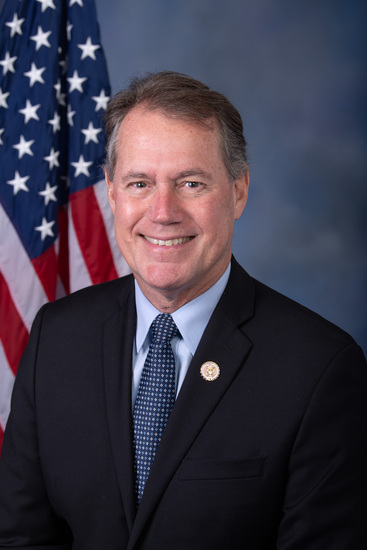
Rep. Ed Case
Sponsored bills
Maddy summaryHRES 1499 is a symbolic resolution expressing concern about rising book bans in U.S. schools and libraries, citing PEN America data showing over 10,000 individual book bans in public schools between July 2023 and June 2024 - more than double the previous year. It highlights how bans disproportionately target books featuring LGBTQ+ themes, racial history, and marginalized voices (like *The Handmaid’s Tale*, *Maus*, and *Fry Bread*), while emphasizing students’ First Amendment rights to access diverse materials. The resolution calls on school districts and libraries to follow established best practices for handling book challenges and to protect students’ right to read widely, including works reflecting diverse perspectives. As a non-binding resolution, it does not create new law but urges local education entities to uphold free expression.
Maddy summaryHRES 1348 is a non-binding resolution urging Nigeria to immediately release Tigran Gambaryan, a U.S. citizen and former IRS agent detained since February 2024. The resolution cites his unlawful detention after legal deadlines expired, deteriorating health (including malaria), and poor conditions at Kuje Prison, where he was transferred despite a court order for hospital care. It calls for Nigeria to grant him medical access, consular support, and due process, while urging the U.S. government to use all resources to secure his release. The resolution highlights concerns that his detention appears linked to pressure on his employer, Binance, rather than legitimate legal grounds.
Maddy summaryHRES 1485 designates the third Friday of September each year as "National POW/MIA Recognition Day" to honor prisoners of war and missing-in-action military personnel. The resolution expresses the House's support for this designation and encourages Americans to observe the day through community commemorations, displaying the POW/MIA flag, and performing acts of service for families of those affected. It does not create new laws or alter existing policies but builds on the existing National POW/MIA Flag Act (Public Law 116-67) that requires the POW/MIA flag to be flown on federal properties. The resolution focuses on symbolic recognition and public engagement rather than substantive policy changes.
Maddy summaryHRES 1487 is a symbolic resolution designating September 23-29, 2024, as "Asian American and Native American Pacific Islander-Serving Institutions Week." It recognizes the work of institutions serving Asian American, Native Hawaiian, and Pacific Islander students - such as those enrolling 10%+ of these students and awarding over 45% of bachelor’s degrees for these groups - without creating new policies or funding. The resolution encourages higher education institutions to seek funding for culturally relevant programs and asks the public to observe the week through activities supporting these institutions. It has no direct legal effect or impact on beneficiaries beyond raising awareness.
Maddy summaryHR 9733, the School Bus Driver Shortage Relief Act, creates a National School Bus Driver Shortage Task Force within the Department of Education to address gaps in school bus driver availability. The Task Force must publish accessible resources for schools within 180 days, make quarterly recommendations on improving driver supply, and submit annual reports analyzing disparities in driver shortages by geography, student demographics, and working conditions like pay and safety. These reports will include root-cause analysis of the 20-year driver shortage trend and specific recommendations for federal and state action. The bill does not provide new funding or mandate changes but requires systematic data collection and guidance to help schools and policymakers address the shortage.
Maddy summaryHR 4424, the Vietnam Veterans Liver Fluke Cancer Study Act, directs the Department of Veterans Affairs to study the rate of cholangiocarcinoma (a type of bile duct cancer) among veterans who served in the Vietnam theater during the Vietnam era. The bill requires the VA, working with the CDC, to analyze existing cancer registry data to compare cancer rates between these veterans and the general U.S. population, breaking down results by age, gender, race, ethnicity, and location. The VA must report its findings and recommendations to Congress within one year of completing the study, with ongoing periodic updates. This study aims to identify patterns and inform potential future actions for affected veterans, without changing current benefits or eligibility.
Maddy summaryHR 9589, the "Stop Illegal Campaign Coordination Act," clarifies when independent campaign spending is considered coordinated with a candidate or party. It expands the definition of coordinated spending to include any expenditure that matches a candidate's or committee's instructions - such as targeting specific voters, using similar messaging, or following suggested media methods - even if those instructions weren't publicly shared. This change directly affects outside groups and political committees making election-related ads or communications, as it makes it easier for the Federal Election Commission to determine if their spending was coordinated. The bill adds six specific factors the Commission must consider when evaluating coordination, like whether instructions included audience details or messaging elements.
Maddy summaryHR 7159, the Pacific Partnership Act, mandates the U.S. government to develop a comprehensive strategy for engagement with Pacific Island nations. It requires the President, by January 1, 2026, and every four years thereafter, to submit a detailed strategy to Congress outlining U.S. diplomatic, defense, and economic goals in the region, including assessments of threats like natural disasters, illegal fishing, and foreign military activity. The strategy must detail plans to address these threats, coordinate with Pacific Island governments and regional organizations like the Pacific Islands Forum, and outline required resources and staffing. This bill directly affects U.S. foreign policy operations and shapes how the federal government engages with Pacific Island nations on shared security, economic, and environmental priorities.
Maddy summaryThe Stand with Ukraine Act of 2024 establishes a framework for sustained U.S. security assistance to Ukraine in response to Russia's invasion. It endorses a 10-year bilateral security agreement and directs the U.S. government to provide military equipment, training, and security assistance to strengthen Ukraine's defense capabilities against Russian aggression. Key provisions include treating Ukraine as a major non-NATO ally for defense transfers, fast-tracking military sales through the Foreign Military Sales program, and creating mechanisms to prioritize defense article transfers. The bill also includes specific support for Ukraine's recovery, reconstruction, and demining efforts following the conflict. This legislation directly affects U.S. foreign policy implementation, military assistance programs, and Ukraine's ability to build a credible defense against Russian threats.