

Maddy summaryThis bill provides continuing appropriations for federal government operations through January 11, 2024, ensuring funding for ongoing programs and activities. It includes $16 billion for disaster relief and over $21 billion in supplemental funding for Ukraine assistance, covering military aid, economic support, and humanitarian programs. The bill also extends funding for community health centers, Federal Aviation Administration programs, and the Temporary Assistance for Needy Families program through the same date. These funding measures maintain government operations and support critical domestic and international programs during the fiscal year.
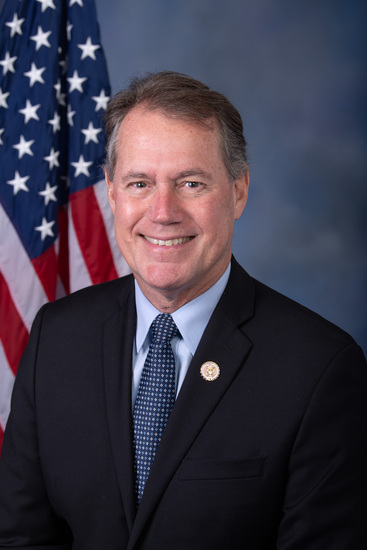
Rep. Ed Case
Sponsored bills
Maddy summaryThe Social Security 2100 Act would significantly enhance Social Security benefits for millions of Americans by increasing monthly payments for retirees, disabled workers, widows/widowers, and children. Key provisions include raising the minimum benefit for long-term low earners, improving cost-of-living adjustments using a more accurate index, eliminating the 5-month waiting period for disability benefits, and extending child benefits to age 26. The bill also changes how Social Security taxes are calculated by applying them to income above $400,000 and establishes a unified Social Security Trust Fund to manage program finances. Most provisions would apply to benefits payable from 2025 through 2034, affecting all current and future Social Security beneficiaries.
Maddy summaryThe BLUE Pacific Act establishes a comprehensive U.S. strategy to deepen engagement with Pacific Island nations through coordinated assistance across multiple policy areas. It authorizes $250 million annually for fiscal years 2023-2033 to support initiatives in climate resilience, economic development, security capacity building, public health, and democratic governance. The act requires the President to develop a Pacific Islands Partnership Strategy by 2027, with regular congressional reporting, and mandates consultation with Pacific Island nations and regional organizations. This legislation formalizes U.S. efforts to support Pacific Island countries in addressing shared challenges like climate change, economic development, and security while strengthening regional partnerships. The strategy will guide U.S. assistance across multiple agencies to support Pacific Island nations' priorities as outlined in regional frameworks like the 2050 Strategy for the Blue Pacific Continent.
Maddy summaryThe CONNECT for Health Act of 2023 aims to expand access to telehealth services under Medicare by removing barriers that previously limited who could provide these services and where they could be delivered. The bill eliminates geographic restrictions on telehealth coverage, allows telehealth services to be provided from the patient's home and other clinically appropriate locations, and expands the types of healthcare providers who can offer telehealth services. It also improves the process for adding new telehealth services to Medicare coverage and includes provisions to ensure quality measurement includes telehealth services. This legislation directly affects Medicare beneficiaries seeking remote care and healthcare providers delivering telehealth services, with key provisions taking effect between 2024 and 2025.
Maddy summaryHR 3875, the Expanded Telehealth Access Act, expands Medicare coverage for telehealth services by adding new healthcare professionals to the list of providers eligible for payment. It specifically includes licensed audiologists, occupational therapists (and their assistants under supervision), physical therapists (and their assistants under supervision), and speech-language pathologists. The bill ensures these providers are paid the same rate for telehealth services as they would be for in-person care under Medicare. This change directly affects Medicare beneficiaries seeking remote therapy services and the new provider types who can now offer these services via telehealth.
Maddy summaryThe FAMILY Act (HR 3481) would establish a national paid family and medical leave insurance program administered by the Social Security Administration. Eligible workers would receive wage replacement benefits (up to 85% of average earnings, with a maximum of $4,000 monthly) for up to 60 caregiving days per 12-month benefit period for qualifying reasons like caring for a sick family member, personal serious health conditions, or responding to domestic violence. The program would be funded through 0.2% payroll taxes from employees and employers (with self-employed individuals paying 0.4%), with benefits coordinated with existing state programs. The law includes protections against employer retaliation for taking leave and requires employers to maintain health coverage during leave periods.
Maddy summaryHR 3432, the Telemental Health Care Access Act of 2023, expands Medicare coverage for mental and behavioral health services delivered via telehealth. It removes geographic restrictions that previously limited telehealth coverage to rural areas and explicitly adds "behavioral health services" to the list of covered telehealth services under Medicare Part B. The bill requires the Secretary of Health and Human Services to submit a report within one year on utilization of these services, including recommendations on fraud prevention and funding needs for oversight. This change directly affects Medicare beneficiaries seeking remote mental/behavioral health care and the providers who deliver it.
Maddy summaryHR 3443, the Foster Youth Mentoring Act of 2023, creates a federal grant program to fund structured mentoring programs for youth in foster care and those who have aged out of foster care (under age 26). The bill authorizes $50 million annually for grants to eligible organizations (like nonprofits, state agencies, or tribes) to establish or expand mentoring that provides consistent, year-long relationships focused on academic support, emotional development, and transition to adulthood. Key requirements include mandatory mentor training on trauma, cultural competence, and child welfare coordination, along with strict background checks and recruitment strategies to reflect the diversity of youth served. The program directly affects approximately 443,000 youth in foster care (per 2017 data) and aims to improve their educational outcomes, reduce school absences, and build supportive connections through evidence-based mentoring.
Maddy summaryThe Equitable Payments for Nursing Facilities Act of 2023 would allow the U.S. Department of Health and Human Services (HHS) to adjust Medicare payment rates for skilled nursing facilities (SNFs) located in Alaska or Hawaii. These adjustments would account for unique circumstances specific to these states, such as higher operational costs due to geographic isolation. The bill does not set specific payment amounts but authorizes HHS to make necessary changes to better align rates with actual costs. This policy would directly affect SNFs in Alaska and Hawaii that receive Medicare funding. The goal is to ensure payment rates more accurately reflect the true expenses of operating in these regions.
Maddy summaryHR 2474, the "Strengthening Medicare for Patients and Providers Act," changes how Medicare pays physicians for services. It replaces the previous two-part payment system (used through 2025) with a single annual payment rate update starting in 2024. This update will be based on the Medicare Economic Index (MEI), which tracks costs for medical providers. The change directly affects Medicare-certified doctors and clinics who receive payments under the physician fee schedule.