

Maddy summaryHR 3316, the Stop Mental Health Stigma in Our Communities Act of 2025, requires the HHS Secretary to develop a national outreach strategy and conduct two systematic reviews targeting mental health disparities in Asian American, Native Hawaiian, and Pacific Islander (AANHPI) communities. The strategy mandates culturally tailored materials to reduce stigma, increase awareness of mental health services, and engage community members, funded at $3 million annually from 2026-2030. It also directs a year-long review of AANHPI youth mental health crises (including suicide rates) and a review of AANHPI behavioral health workforce shortages, both requiring disaggregated data reporting. The bill directly affects AANHPI individuals - particularly youth and underserved subgroups - by mandating federal action to address systemic barriers like language gaps and underrepresentation in care.
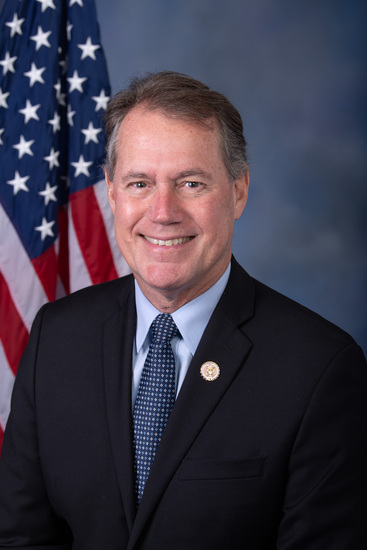
Rep. Ed Case
Sponsored bills
Maddy summaryHRES 400 is a ceremonial resolution recognizing May as Asian American, Native Hawaiian, and Pacific Islander Heritage Month. It formally celebrates the historical contributions of these communities to U.S. history and society, as documented in the resolution’s preamble. The resolution does not create new laws, allocate funding, or change policies - it serves solely as a symbolic acknowledgment by the House of Representatives. It highlights the diversity of these communities and their ongoing impact, referencing their growth, cultural milestones, and historical challenges. This recognition aligns with the existing statutory designation of May for Heritage Month under U.S. Code.
Maddy summaryThe Rural Broadband Modernization Act would create a federal program to fund broadband infrastructure in rural areas through grants, loans, and loan guarantees. It establishes a minimum service standard of 100 Mbps symmetrical broadband for all rural households, prioritizing projects for communities without any existing broadband service (or with inadequate service) and requiring at least 90% of households in a service area to be unserved. The program would allocate $500 million annually from 2026-2030, with funds distributed based on the number of small communities (under 2,500 residents) in each state. Eligible applicants include local governments, tribal entities, and private companies that can demonstrate they'll meet the service requirements within 5 years.
Maddy summaryThe Fiscal Commission Act establishes a 16-member commission to address the federal government's fiscal challenges, including reducing debt and deficit while aiming for a debt-to-GDP ratio of 100% by 2039. The commission must educate the public about fiscal issues, identify policy recommendations, and submit a detailed report with legislative language by November 2026 (with possible extension to April 2027). This report requires bipartisan approval, needing at least two Republican and two Democratic members for majority support. If approved, the recommended legislation would become an "implementing bill" considered under expedited procedures in both congressional chambers. The commission's work directly affects federal budget decisions and public awareness of fiscal policy, with hearings required to gather input from experts and government officials.
Maddy summaryHR 3304, the Providing Child Care for Police Officers Act of 2025, establishes a federal grant program to help law enforcement agencies provide child care for officers' minor children during nonstandard shifts. The program awards competitive 3-year grants to state or local "lead agencies" (like state child care offices) to fund child care services through eligible law enforcement agencies or consortia, with 20% of funds reserved for small agencies (under 200 officers). Grants cover startup costs, provider training, sick child care, facility construction, and other needs, requiring local matching funds (10% to 33% over three years). The program is authorized for $24 million annually from 2026-2030 and includes studies to evaluate its impact on child care access for officers and other first responders.
Maddy summaryHR 3243, the Therapeutic Fraud Prevention Act of 2025, bans the provision of paid conversion therapy aimed at changing a person's sexual orientation or gender identity, and prohibits advertising such therapy as effective, safe, or without risk. It directly affects LGBTQ+ individuals and their families who might be targeted by these practices, as professionals have determined conversion therapy is ineffective and harmful. The law treats violations as deceptive acts under consumer protection laws, empowering the Federal Trade Commission and state attorneys general to enforce it through civil actions. It explicitly excludes legitimate gender transition support and non-discriminatory counseling from the ban.
Maddy summaryHR 3238, the HABLA Act of 2025, requires federal agencies and organizations receiving federal funds to improve language access for people with limited English proficiency (LEP). Agencies must create and implement plans within 120 days of the law's effective date, detailing how they will ensure LEP individuals can meaningfully access services, while also publishing these plans online. Agencies providing federal funding must also develop tailored guidance for their recipients, consistent with existing Department of Justice standards, and submit it to the DOJ for review. The law mandates 60 days for public input from stakeholders, including LEP individuals and community groups, to help shape practical, cost-effective language access solutions.
Maddy summaryHR 3263, the PATCH Act, modifies Medicare payment rules for physicians in Hawaii. It requires the Medicare program to set a minimum payment adjustment factor of 1.5 for physician services provided in Hawaii starting January 1, 2026, if the standard calculation would result in a lower value. This change directly affects Medicare-reimbursed physicians and healthcare providers operating in Hawaii. The key mechanism is a floor on the "work geographic index," ensuring payments in Hawaii do not fall below this minimum level. The provision applies specifically to services furnished in Hawaii after 2025.
Maddy summaryThe American Ownership and Resilience Act establishes a new framework for "ownership investment companies" that provide capital to support employee stock ownership plans (ESOPs) and worker-owned cooperatives. The bill creates a licensing system requiring ownership investment companies to meet capital requirements, use independent financial advisors and trustees for transactions, and maintain employee ownership interests. It establishes a facility to provide leverage to these companies with specific limits ($5 billion total annual limit, $100 million per Protégé OIC), and requires detailed reporting on the impact of these investments. The act aims to facilitate and protect employee ownership structures while ensuring transparency and accountability through strict regulatory requirements.
Maddy summaryHR 3241, the Defense Workforce Integration Act of 2025, creates pathways for military personnel medically disqualified from service to transition into civilian defense jobs. It requires the Defense Department to establish a process within one year for entry-level service members (like those in basic training or ROTC) who can't serve due to medical reasons to qualify for civilian roles in the Department of Defense. The bill also mandates a new program to connect medically disqualified individuals with employment opportunities in the defense industrial base, cybersecurity, research, and other national security support roles. Additionally, it directs the Navy to provide career information about Military Sealift Command and shipbuilder training to personnel during transition assistance. The Secretary of Defense must report on implementation to Congress within one year.