

Maddy summaryHR 6662, the Department of Defense and Department of Veterans Affairs Medical Credentialing Integration Act of 2025, requires the Defense and Veterans Affairs departments to create a single, unified system for medical provider credentialing and privileging. It directly affects military and VA medical staff (like doctors and nurses) by replacing separate, non-interoperable systems currently used by each department. Key provisions mandate a joint report on existing systems within 120 days, selection of one unified system by January 2027, and full implementation by January 2028, ensuring seamless sharing of provider credentials across both departments. This eliminates redundant credentialing processes and improves administrative efficiency for medical providers working across DoD and VA facilities.
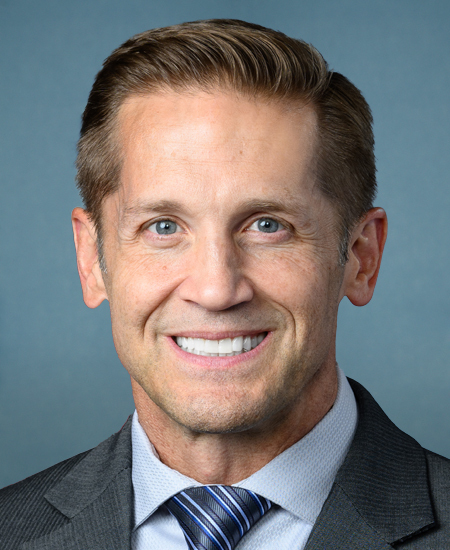
Rep. Richard McCormick
Sponsored bills
Maddy summaryHR 2683, the Remote Access Security Act, amends the Export Control Reform Act of 2018 to regulate how foreign entities remotely access U.S.-controlled technology. It defines "remote access" as foreign persons accessing U.S. items (like sensitive technology) via internet or cloud services from outside the item's physical location. The bill updates existing export control rules to include remote access as a regulated activity, requiring oversight similar to physical exports or in-country transfers. This primarily affects foreign companies, cloud providers, and technology firms handling U.S.-jurisdiction items.
Maddy summaryHR 909, the Crime Victims Fund Stabilization Act of 2025, modifies how funds from the False Claims Act are deposited into the Crime Victims Fund. It specifies that from 2025 through 2029, certain False Claims Act proceeds (specifically those for qui tam plaintiff payments and government damage reimbursements) cannot be deposited into the fund. This change directly affects the composition of the Crime Victims Fund by excluding these specific revenue streams during the specified period. The bill does not create new benefits or alter victim services; it only adjusts fund allocation rules for existing False Claims Act revenues.
Maddy summaryThis bill establishes a new payment system for skin substitute products (materials applied to wounds that remain within the wound bed) under Medicare, setting specific payment amounts and annual updates based on inflation. It requires the creation of a new billing code for these products by January 2026, ensures equal reimbursement regardless of where treatment occurs, and creates oversight for providers with unusually high payments. The bill also directs the FDA to review and potentially streamline approval processes for human tissue-based regenerative medicine products. These changes aim to improve access to advanced wound care while maintaining proper oversight of Medicare payments.
Miracle on Ice Congressional Gold Medal Act This act provides for the award of Congressional Gold Medals to the members of the 1980 U.S. Olympic men's ice hockey team in recognition of the team's achievement at the 1980 Winter Olympic Games.
Maddy summaryHR 6627, the "Improving the Enlisted to Officer Judge Advocate Program Act," modifies eligibility rules for enlisted service members seeking to become military lawyers (judge advocates). It increases the maximum years of service required for eligibility from 8 to 10 years for members receiving military funding for law school under specific provisions. The bill also updates technical references to align with the new funding structure. This directly affects enlisted personnel in the military legal career path who plan to attend law school using service-funded educational benefits. The change aims to provide more flexibility in career progression for those pursuing law degrees through military programs.
Maddy summaryThe SHIELD Act of 2025 withholds federal funding from states or local governments that arrest, detain, or prosecute federal officers for lawful immigration enforcement actions. It directly affects jurisdictions (like cities or counties) that interfere with federal immigration enforcement, such as by blocking ICE operations. The law requires the Attorney General and DHS to determine violations, then blocks all federal grants and contracts for the affected jurisdiction during the fiscal year. Funding withheld is reallocated to compliant jurisdictions, and restoration requires written assurances that interference will stop.
Maddy summaryHR 6559, the Thiokol Memorial Gold Medal Act, authorizes the posthumous award of a Congressional Gold Medal to 30 workers who died in a 1971 industrial explosion at the Thiokol plant in Woodbine, Georgia. The bill specifically recognizes these employees - many African American women - who were manufacturing military supplies during the Vietnam War. The medal, designed by the Treasury Secretary, will be displayed at the Thiokol Memorial Museum, with bronze duplicates sold to offset costs. This is a commemorative measure, not a policy change, building on prior Georgia state honors for the workers' sacrifice.
Maddy summaryThis bill establishes the President’s Council on Sports, Fitness, and Nutrition to advise the President on reestablishing the Presidential Fitness Test as the primary assessment tool for a Presidential Fitness Award in U.S. schools. The Council, appointed by the President, would develop school-based fitness programs, promote physical activity through community partnerships, and address childhood obesity as a national security concern. It directs the Secretary of Health and Human Services to fund the Council and its initiatives, with the Council terminating two years after enactment unless extended. The bill specifically aims to impact K-12 schools by integrating the fitness test into physical education programs.
Maddy summaryThis bill directs the American Battle Monuments Commission to correct historical errors by identifying Jewish World War I and II veterans buried overseas under incorrect Christian markers (Latin crosses) and replacing them with appropriate markers. It establishes a 10-year program to contact families of affected veterans, with the Commission funding the effort at $500,000 annually through nonprofit contracts. The program specifically targets veterans buried in foreign U.S. military cemeteries with markers indicating non-Jewish faith, addressing a documented mistake affecting approximately 900 Jewish servicemembers. This directly affects Jewish veterans' families by honoring their heritage and correcting past burial inaccuracies.