

Maddy summaryThis bill creates federal grants to support STEM education programs for girls and underrepresented minorities in K-12 schools. It directs $250,000 annually per grant to school districts serving high-poverty communities (with at least 40% students eligible for free/reduced lunch) to fund specific activities like after-school STEM programs, teacher training on reducing bias, mentorship, parental engagement, and summer camps. The grants require schools to track student participation and academic progress in STEM through annual evaluations. The program aims to increase opportunities for these students to develop skills and pursue STEM careers, while ensuring funds supplement - rather than replace - existing resources.
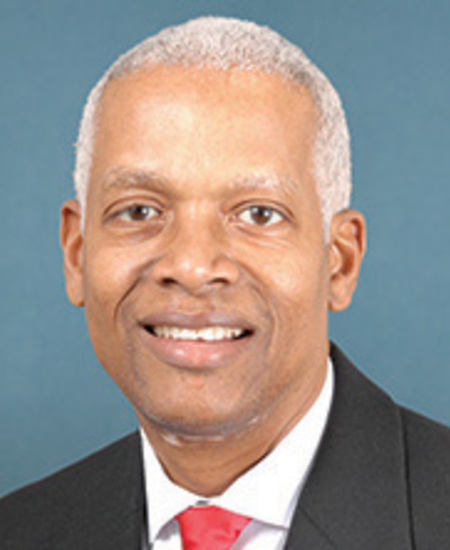
Rep. Henry C. "Hank" Johnson, Jr.
Sponsored bills
Maddy summaryHR 5021, the American Decade of Sports Act, requires the U.S. Department of State to create a formal 5-year strategy (updated every 5 years) for using major international sporting events hosted in the U.S. between 2024 and 2034 - including the 2026 World Cup and 2028 Olympics - to strengthen diplomatic ties and promote U.S. soft power. It mandates renaming the State Department’s sports diplomacy division as the Office of Sports Diplomacy, adding at least 3 dedicated staff members, and coordinating with host cities, sports leagues, and visa agencies to streamline international visitor access. The strategy must detail diplomatic goals, partnerships with local communities and the sports industry, and plans for cultural exchange, while requiring annual progress reports to Congress until 2034. This bill directly affects the State Department, host cities, international athletes, and diplomatic engagement efforts.
Maddy summaryHRES 919 is a non-binding resolution commemorating World AIDS Day (December 1) and supporting global efforts to end the HIV/AIDS epidemic. It encourages achieving "zero new HIV transmissions, zero discrimination, and zero AIDS-related deaths" by 2030, promotes awareness of U=U (Undetectable=Untransmittable) treatment, and urges continued U.S. funding for HIV prevention, treatment, and research programs domestically and globally. The resolution does not create new laws but symbolically affirms support for existing initiatives like PEPFAR and the Ryan White CARE Act, while highlighting disparities affecting communities of color, transgender individuals, and people in the Southern U.S.
Maddy summaryThe Migrant Due Process Protection Act (HR 6349) would require immigration judges to allow non-citizens in removal proceedings (who are not held in government custody) to request virtual hearings via video or phone. Judges must approve such requests and ensure virtual formats do not disadvantage the individual. This directly affects people facing deportation who are not currently detained by immigration authorities. The bill adds a new procedural option for remote hearings without changing legal standards or outcomes.
Give Kids a Chance Act of 2025 This bill expands the Food and Drug Administration’s (FDA’s) authority with respect to research on rare pediatric diseases, including by permitting the FDA to take enforcement action against drug sponsors that fail to satisfy pediatric study requirements and by reauthorizing programs that support pediatric research. Specifically, the bill modifies requirements relating to molecularly targeted pediatric cancer investigations to permit research on new drugs in combination with active ingredients that have already been approved, provided certain conditions are met; permits the FDA to take enforcement action against drug sponsors that fail to comply with pediatric study requirements, if such sponsors demonstrated a lack of due diligence in satisfying the requirement; renews the FDA’s authority to award priority review vouchers to sponsors of new products intended to treat rare pediatric diseases through September 30, 2029; and reauthorizes through FY2027 certain funding for the National Institutes of Health to support priority pediatric research. The bill also provides statutory authority for the FDA’s interpretation of the orphan drug exclusivity period. The bill specifies, consistent with FDA regulations, that the seven-year market exclusivity period for drugs for rare diseases or conditions (i.e., orphan drugs) prohibits the approval of the same drug for the same approved use or indication with respect to the disease or condition. (In Catalyst Pharmaceuticals, Inc. v. Becerra , a court rejected the FDA’s interpretation and held that orphan drug exclusivity extends to all uses or indications for the disease or condition.)
Maddy summaryThis bill prohibits federal funding for White House construction or renovations during any government shutdown (funding gap), except for projects directly related to health or safety. It directly affects White House maintenance and development projects by blocking non-essential work when Congress fails to pass a budget. The key provision bans all non-essential spending on White House grounds during budget lapses, with explicit health/safety exceptions. The bill aims to prevent new projects from starting during shutdowns without altering existing contracts or ongoing work.
Maddy summaryHR 6318, the No GOUGE Act, prohibits large businesses from excessively raising prices on goods affected by tariffs or planned tariffs (e.g., imports subject to new tariffs) for five years after the tariff takes effect. It specifically targets companies with over $100 million in U.S. revenue, banning price hikes that exceed the actual cost of the tariff plus legitimate operational expenses (excluding executive pay or stock buybacks). The Federal Trade Commission (FTC) enforces this by presuming violations if large firms (over $1 billion revenue) raise prices beyond pre-tariff averages during "tariff shock" periods, though companies can rebut this by proving costs were genuinely tied to the tariff. The law aims to prevent price gouging by ensuring tariff costs - not profit motives - drive price changes for consumers.
Maddy summaryHRES 906 would change House rules to require a 60% vote of members present and voting to censure, disapprove, or remove any House member, delegate, or resident commissioner from committee assignments. Currently, a simple majority (50%+1) could trigger these actions, but this bill raises the threshold to a supermajority. The change applies directly to all voting members of the House and affects disciplinary procedures for members. This is a procedural rule change that makes it harder to take formal disciplinary actions against House members.
Maddy summaryHRES 909 is a House resolution affirming that immigrant justice and reproductive justice are interconnected and must be addressed together. It calls on the Department of Homeland Security to reinstate protections for pregnant individuals in detention, eliminate the 5-year bar restricting immigrants’ access to federal health programs like Medicaid, and implement transparent oversight of reproductive health care in detention facilities. The resolution also urges Congress to remove barriers to health care access for immigrants and requires federal agencies to report on policies affecting reproductive health care for detained individuals. This resolution directly affects policies toward immigrants in detention, particularly regarding access to abortion, prenatal care, and mental health services, but does not create new laws.
Maddy summaryHRES 899 is a symbolic House resolution recognizing the Transgender Day of Remembrance and memorializing transgender people killed by violence in 2024-2025. It directly affects transgender individuals, particularly transgender women of color, by acknowledging the epidemic of violence against them - citing 27 U.S. victims (including names like Rick Alastor Newman and Kyla Jane Walker) and 241 global cases in 2025. The resolution’s key provisions include formally recognizing the violence epidemic, memorializing specific lives lost, and affirming the need for solutions to protect transgender people. It does not create new laws but expresses congressional support for addressing systemic violence and discrimination faced by transgender communities.