Maddy summaryThis bill directs the Department of Homeland Security to implement the Migrant Protection Protocols (MPP) as outlined in a 2019 policy memo. It requires migrants seeking asylum at the U.S. border to remain in Mexico while their cases are processed, rather than being allowed to stay in the U.S. pending a hearing. The bill does not create new rules but mandates the reinstatement of a policy that was previously in effect from 2019 to 2021. This would directly affect asylum seekers arriving at the U.S.-Mexico border. The policy change would apply to all migrants covered by the existing MPP framework.
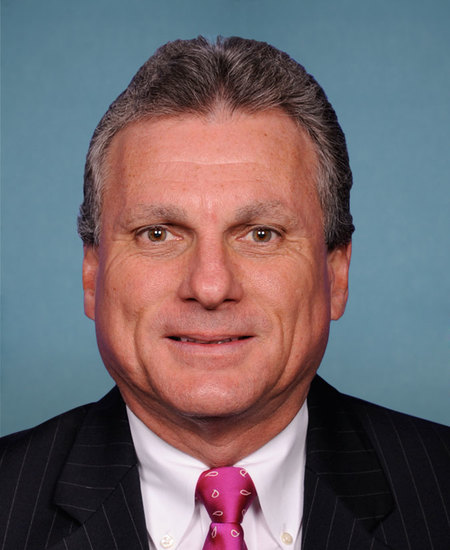
Rep. Earl L. "Buddy" Carter
Sponsored bills
Maddy summaryThis bill blocks federal funding for Planned Parenthood Federation of America and its clinics for one year unless they certify they won't perform abortions. Exceptions apply for pregnancies resulting from rape or incest, or when a woman's life is in danger due to a medical condition. The bill redirects the redirected funds to community health centers and other providers serving women's health needs, authorizing $235 million for this purpose. It explicitly states this will not reduce overall federal funding for women's health services. The policy change directly affects Planned Parenthood clinics receiving federal funds, requiring them to certify abortion restrictions or lose funding.
Maddy summaryThis bill amends the tax code to create a special rule for deducting losses of uncut timber (timber not yet cut for sale) from disasters like fires, storms, pests, or drought. It requires taxpayers to base deductions on the timber's pre-loss appraised value minus salvage value, using a certified appraiser's assessment within one year. Crucially, taxpayers must reforest the affected area with hardwoods or softwoods within five years to keep the tax benefit; failure to reforest results in recapturing the deduction. The rule applies only to timber held for sale in an active business, excluding passive activities. This changes how businesses can claim tax deductions after timber losses while linking the benefit to reforestation efforts.
Maddy summaryThe Sustainable Budget Act of 2025 would establish a 18-member National Commission on Fiscal Responsibility and Reform to develop budget recommendations. The Commission would include members appointed by the President and congressional leadership, with specific requirements for approval of its reports (requiring 12 members, including 4 from each major party). The Commission would need to propose policies to balance the budget within 10 years (excluding interest payments) and address entitlement spending and revenue gaps. After submitting reports to Congress, the President would transmit a proposed joint resolution implementing the recommendations, which would then undergo expedited consideration in both houses with limited debate and no amendments allowed. This bill creates a process for developing budget recommendations but does not directly change current fiscal policies.
Maddy summaryThis bill requires federal employees who telework at least one day weekly (or 20% of their time under alternative schedules) to be paid at the "Rest of U.S." locality pay rate without future adjustments. It excludes employees who telework daily, those with disabilities receiving accommodations, Foreign Service members, law enforcement officers, and military personnel on active duty. Covered employees will no longer receive annual pay adjustments under standard federal pay schedules. The policy takes effect at the start of the first full fiscal year after the bill becomes law. It directly affects federal workers meeting the telework threshold, altering their pay structure based on location.
Maddy summaryThis proposed constitutional amendment would limit Members of Congress to serving a maximum of three terms in the House of Representatives or two terms in the Senate. It directly affects current and future members by preventing those who have already served the maximum terms from seeking re-election. Key provisions include counting vacancies filled for more than a year (House) or three years (Senate) as a full term toward the limit, while excluding terms served before ratification from the count. As a constitutional amendment proposal, it requires approval by three-fourths of state legislatures to become law.
Maddy summaryThis bill designates the U.S. Postal Service facility at 119 Main Street in Plains, Georgia, as the "Jimmy and Rosalynn Carter Post Office." It requires all federal references in laws, documents, or records to use this new name instead of the previous designation. The bill directly affects the postal facility and federal administrative records, but does not alter postal services, funding, or operations. This is a ceremonial naming resolution honoring former President Jimmy Carter and his wife, Rosalynn Carter.
Maddy summaryThis bill designates the U.S. Postal Service facility at 151 Highway 74 South in Peachtree City, Georgia, as the "SFC Shawn McCloskey Post Office." It requires all federal references to this location - including in laws, maps, regulations, and official documents - to be updated to the new name. This is a ceremonial naming resolution with no impact on postal services, operations, or funding.
Maddy summaryThe Trailer Safety Improvement Act (HR 141) amends federal highway safety programs to specifically address trailer safety. It requires these programs to prevent improper and unsafe use of light- and medium-duty trailers and to educate the public about required safety equipment and preventive maintenance, particularly after unsecured vehicle loads. This directly affects trailer owners, operators, and the public by promoting safer towing practices through existing federal initiatives. The key change is adding these two concrete objectives to current program requirements under Title 23, U.S. Code. The bill does not create new funding or regulations but refocuses existing efforts on these safety priorities.
Maddy summary# Summary of Proposed Legislation This comprehensive legislative proposal contains multiple sections addressing election integrity, campaign finance reform, cybersecurity, census operations, and related government functions. Key provisions include: 1. **Campaign Finance Reforms**: - Increased thresholds for political committee reporting requirements - Repeal of requirements for political committees to report donor identification - Exemption of uncompensated internet communications from contribution/expenditure treatment - Protection of donor privacy for tax-exempt organizations through the "Speech Privacy Act of 2023" 2. **Election Security**: - Establishment of a process for testing and monitoring cybersecurity vulnerabilities in election equipment - Requirements for the Secretary of Homeland Security to notify state officials about election cybersecurity incidents - Exclusive authority for the Election Assistance Commission regarding guidelines for voting system certification 3. **Census and Redistricting**: - Establishment of a permanent Census Monitoring Board with bipartisan composition to review census operations - Clarification of state authority over congressional redistricting maps - Provisions regarding the Speaker of the House's authority to join civil actions related to apportionment 4. **Other Key Provisions**: - Termination of the Disinformation Governance Board and prohibition on funding similar entities - Amendments to the Federal Election Campaign Act to increase reporting thresholds and exempt certain communications - Various technical corrections to existing campaign finance law The legislation appears to focus on enhancing election security, reducing regulatory burdens on political organizations, protecting donor privacy, and strengthening oversight of census operations while maintaining constitutional boundaries between federal and state authority.