

Diverting IRS Resources to the Exigent Crisis Through Funds for Border Security Act or the DIRECT Funds for Border Security Act This bill rescinds unobligated amounts for Internal Revenue Service enforcement activities enacted by the Inflation Reduction Act of 2022 and redirects such amounts to the U.S. Customs and Border Protection for the hiring of new agents and officers for the security of the southern border of the United States.
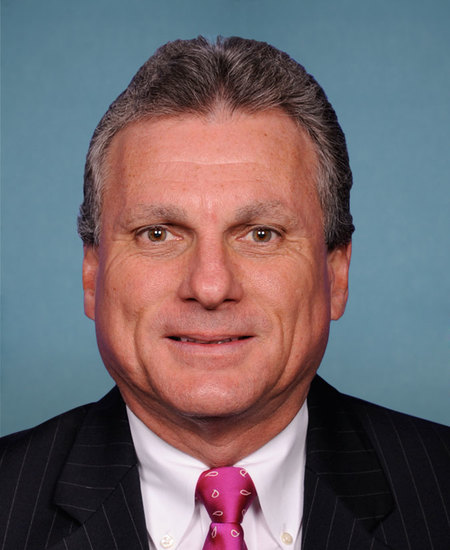
Rep. Earl L. "Buddy" Carter
Sponsored bills
Maddy summaryHRES 1386 is a non-binding resolution designating the week of September 26-30, 2022, as "National Clean Energy Week." It expresses the House’s support for this designation and encourages individuals, organizations, and governments to promote clean energy solutions. The resolution highlights clean energy’s economic benefits (like supporting 7.8 million jobs in 2021) and urges investment in affordable, low-emission energy technologies. It does not create new laws, funding, or obligations - it is purely symbolic recognition of the clean energy sector’s role in the U.S. economy.
Youth Coastal Fishing Program Act of 2022 This bill directs the National Oceanic and Atmospheric Administration (NOAA) to establish a program to award grants and provide technical assistance to certain entities for youth fishing projects. In awarding grants, NOAA must prioritize applicants with proposals for youth fishing projects that focus on an underserved community.
Simplified Joint Consolidation Separation Act This bill establishes a process for separation of joint consolidation loans. Specifically, the bill allows the two borrowers of a joint consolidation loan for their federal student loan debt to jointly request that the Department of Education or loan holder separate their existing joint consolidated loan into two individual consolidation loans. One borrower may request separation of the joint consolidation loan into two individual consolidation loans in the event that the individual has experienced domestic or economic abuse from the other individual borrower or is subject to a decree or agreement requiring the separation of such joint loans and obligations.
TCJA Permanency Act This bill makes permanent provisions affecting individual and business taxpayers that were enacted in 2017 by the Tax Cuts and Jobs Act and are scheduled to expire at the end of 2025. The bill makes permanent reductions in individual and capital gain tax rates. The bill increases the standard tax deduction for individual taxpayers. It also increases and modifies the child tax credit and raises the contribution base for the tax deduction for charitable contributions. The bill allows additional contributions to ABLE accounts (tax-exempt accounts designed to enable individuals with disabilities to save and pay for disability-related expenses). It exempts from taxation combat zone benefits of members of the Armed Forces serving in the Sinai Peninsula of Egypt and limits the deduction for moving expenses to active duty members of the Armed Forces. Additionally, the bill expands the types of elementary and secondary school expenses eligible for payment from qualified tuition programs (529 programs); lowers to $750,000 the amount of mortgage debt eligible for an interest expense tax deduction; reinstates after 2023 the exclusion of income from the gross income of student loan borrowers for loan debt discharged due to death or total and permanent disability; makes permanent the limitation on the tax deduction for state and local taxes and denies a deduction for foreign real property taxes; makes permanent the tax deduction of the income of certain pass-through business entities; repeals the tax deduction for personal tax exemptions and the exclusion of employer-provided bicycle commuter fringe benefits; terminates certain miscellaneous itemized tax deductions; doubles the estate and gift tax exemption amount; and makes permanent the increase of the alternative minimum tax exemption amount for individual taxpayers.
Access to Critical Non-Emergency Transportation Services Act This bill requires the Centers for Medicare & Medicaid Services to work with state Medicaid programs to assist individuals who are dually eligible for Medicare and Medicaid with accessing non-emergency transportation benefits under Medicaid. The bill applies to dually eligible individuals who are participating in the Repetitive, Scheduled Non-Emergent Ambulance Transport Prior Authorization Model under Medicare.
Protect the UNBORN (Undo the Negligent Biden Orders Right Now) Act or the Protect the UNBORN Act This bill prohibits federal implementation of and funding for specified executive orders that address access to reproductive health care services, including services related to pregnancy or the termination of a pregnancy.
Patient Advocate Tracker Act This act requires the Office of Patient Advocacy within the Veterans Health Administration to establish an information technology system that allows veterans or their representatives to electronically file a complaint with a patient advocate and review the status of a filed complaint.
Pharmacist Conscience Protection Act This bill prohibits the federal government and federally funded entities from discriminating or otherwise taking adverse action against a pharmacist, pharmacy owner, or pharmacy technician who declines to store, fill prescriptions for, or make referrals for drugs that cause abortions (or that the individual provider believes in good faith cause abortions). Individuals or the Department of Justice may bring civil actions for violations of this bill.
Improving Seniors' Timely Access to Care Act of 2022 This bill establishes several requirements and standards relating to prior authorization processes under Medicare Advantage (MA) plans. Specifically, MA plans must (1) establish an electronic prior authorization program that meets specified standards, including the ability to provide real-time decisions in response to requests for items and services that are routinely approved; (2) annually publish specified prior authorization information, including the percentage of requests approved and the average response time; and (3) meet other standards, as set by the Centers for Medicare & Medicaid Services, relating to the quality and timeliness of prior authorization determinations.