

Maddy summaryHR 4796, the Restoring Essential Healthcare Act, repeals a provision that blocked Medicaid payments to certain healthcare providers during a specific period. It directly affects Medicaid beneficiaries who received care from these providers between the enactment of the prior law (Public Law 119-21) and this bill's enactment. The key provision retroactively restores Medicaid payments for services already provided during that blocked period, treating the payment restriction as if it never existed. This change ensures eligible individuals and providers receive reimbursement for covered care delivered during the prohibited timeframe.
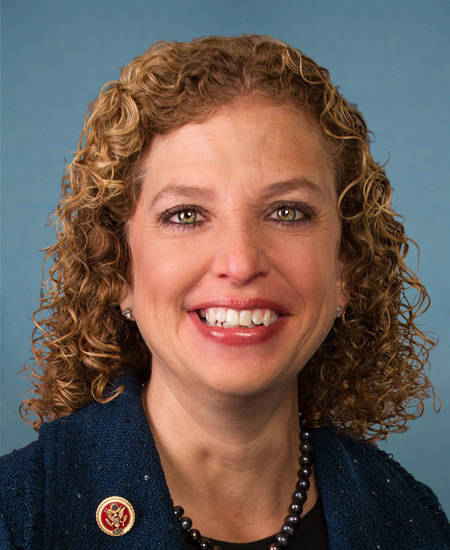
Rep. Debbie Wasserman Schultz
Sponsored bills
Maddy summaryHR 4763, the PTO Act, requires most employers to provide employees with at least 1 hour of paid annual leave for every 25 hours worked, with a maximum of 80 hours per year. It applies to private-sector workers and certain government employees, protecting their right to use paid leave for any purpose without disclosing the reason. The bill mandates employers to maintain health benefits during leave, allow carryover of up to 40 hours of unused leave, and pay out unused leave upon separation. It also prohibits employers from discriminating against employees for using paid leave or requiring them to find replacements while on leave. The law includes enforcement mechanisms, allowing employees to file complaints with the Department of Labor or pursue private lawsuits.
Maddy summaryThe Foster Youth Mentoring Act of 2025 authorizes federal grants to fund structured mentoring programs for children in foster care (under 18) and youth with foster care experience (up to age 26). It requires grantees to provide trained mentors (adult or peer), ensure cultural competence, conduct background checks, and match mentors with mentees for at least one year to support academic, social, and emotional needs. Programs must prioritize input from youth, recruit diverse mentors reflecting foster youth demographics, and coordinate with child welfare and education systems. The bill allocates $50 million annually for fiscal years 2026-2027, mandating annual reports on program reach, mentor demographics, and outcomes like school attendance and college enrollment. This directly affects over 390,000 foster youth annually by expanding access to evidence-based mentoring.
Maddy summaryHRES 606 is a symbolic resolution supporting World Drowning Prevention Day (observed July 25) and highlighting drowning as a global crisis. It recognizes drowning as the third-leading cause of unintentional injury death worldwide, with 90% of deaths occurring in low- and middle-income countries, and emphasizes preventable losses (over 2.5 million in the past decade). The resolution encourages international cooperation to adopt WHO-recommended drowning prevention strategies - like teaching water safety, installing barriers, and improving flood management - and promotes awareness through events and policy discussions. It does not create new laws or funding but formally expresses congressional support for global drowning prevention efforts.
Maddy summaryHR 4627 amends the Foreign Assistance Act of 1961 to update U.S. foreign aid programs combating HIV/AIDS. It specifically adds funding for HIV pre-exposure prophylaxis (PrEP) medications as a covered activity and designates all HIV prevention efforts - including those targeting at-risk populations identified by the World Health Organization - as "core life-saving humanitarian assistance." This change ensures such prevention activities receive priority funding under U.S. foreign aid programs. The bill directly affects how U.S. government agencies allocate resources for global HIV/AIDS prevention initiatives.
Maddy summaryHR 4752, the Reducing Hereditary Cancer Act, requires Medicare to cover genetic testing for germline mutations in individuals with a family history of hereditary cancer or suspicious personal/family history. It mandates coverage for risk-reducing surgeries (like mastectomies or hysterectomies) when guided by evidence-based clinical guidelines, and increases the frequency of cancer screenings (such as mammograms, colonoscopies, and breast MRI) for Medicare beneficiaries confirmed to have hereditary cancer gene mutations - ensuring screenings occur at least annually. The bill applies to Medicare beneficiaries with specific high-risk profiles, aligning coverage with guidelines from recognized oncology organizations like the National Comprehensive Cancer Network. It does not change eligibility but modifies Medicare’s existing coverage rules to expand access to these preventive services.
Maddy summaryHR 4751 reauthorizes two existing programs under the Virginia Graeme Baker Pool and Spa Safety Act by extending their funding periods. It updates the Swimming Pool Safety Grant Program and Education and Awareness Program to run through fiscal years 2025-2027, instead of ending after 2023. These programs directly affect state and local governments receiving grants for pool safety improvements and entities promoting public awareness about pool safety standards. The bill makes no changes to safety requirements but ensures continued funding for these specific initiatives.
Maddy summaryH.J. Res. 108 proposes a constitutional amendment to remove legal immunity for federal officials, including the President, from criminal prosecution for actions taken while performing official duties. It would prohibit the President from granting pardons to themselves and eliminate the defense that "official authority" excuses violations of federal or state law (with limited exceptions for certain congressional actions). If ratified, this amendment would require Congress to pass implementing laws to enforce these changes. The proposal is currently in the House Judiciary Committee and requires approval by three-fourths of state legislatures to become part of the Constitution.
Maddy summaryHR 4606, the Ally’s Act, requires private health insurance plans (including employer-sponsored plans and individual coverage) to cover hearing implants and related services. It directly affects people with hearing loss who need cochlear implants, bone conduction devices, or external sound processors, as determined by a physician or audiologist. The bill mandates coverage for devices, maintenance, repairs, upgrades every 5 years, hearing assessments, surgery, and rehabilitation - without separate cost-sharing or stricter limits than other medical services. Insurers cannot deny coverage if a provider deems the service medically necessary. The law applies to all applicable health plans and takes effect for plan years beginning January 1, 2026.
Maddy summaryThis bill prohibits life, disability, and long-term care insurers from denying coverage, canceling policies, or increasing premiums based solely on a person's status as a living organ donor. It directly protects living organ donors by preventing insurance discrimination unrelated to actual health risks. The bill also requires the Health and Human Services Secretary to update public educational materials about organ donation benefits, risks, and insurance impacts within six months of enactment. These materials will include information on the new insurance protections established by the bill. The law relies on state insurance regulators for enforcement of the insurance provisions.