

Maddy summaryHR 5130, the "Finish It Act," requires the Department of Defense to use stored border wall construction materials (valued at approximately $300 million) for building permanent barriers along the U.S.-Mexico border within 30 days of the bill's enactment. It mandates that states receiving materials certify they will use them exclusively for border barriers, with penalties for unused materials (requiring repayment of the original cost) and imposes a 1% budget cut for every two days of delay in implementation. The bill also demands a detailed report from the Department of Defense within 90 days, including internal communications about storage costs and contracts with private landowners. This legislation directly affects the Department of Defense and border states, focusing on redirecting existing resources rather than creating new funding or construction.
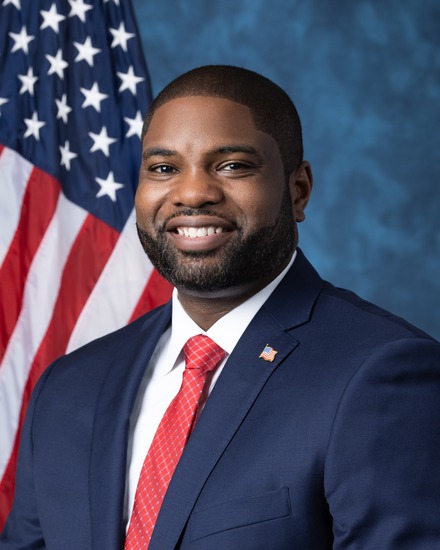
Rep. Byron Donalds
Sponsored bills
Maddy summaryHR 5067, the Empowering Electric Grid Reliability Act, directs the U.S. Secretary of Energy to establish a task force within three months to study supply chains for critical electric grid components like transformers and substation equipment. The task force will identify risks - including geopolitical threats, digital vulnerabilities, and manufacturing gaps - and assess domestic capabilities to ensure reliable power delivery to homes and businesses. It must submit a report with specific policy recommendations for reshoring supply chains, building stockpiles, enhancing workforce training, and improving grid resilience. The bill does not enact immediate changes but mandates a study to inform future decisions on energy infrastructure security.
Maddy summaryHR 4859, the Strategic Petroleum Reserve Security Assessment Act, requires the U.S. Secretary of Energy to submit annual reports to Congress on physical or cybersecurity incidents at Strategic Petroleum Reserve (SPR) storage or related facilities. The reports must detail incident dates, resolution steps, and the local, state, and federal agencies involved in addressing each incident. This bill directly affects the Department of Energy (which must prepare the reports) and Congress (which receives them). The key provision mandates these assessments annually, beginning 180 days after the bill's enactment, to improve transparency about SPR security events. The bill does not change SPR operations but focuses on documenting and reporting security incidents.
Maddy summaryHJRES 83 is a congressional resolution seeking to block a specific immigration rule. It targets a rule issued by U.S. Citizenship and Immigration Services (USCIS) and the Executive Office for Immigration Review (EOIR) on May 16, 2023, which addressed "Circumvention of Lawful Pathways" in immigration processes. If approved, the resolution would nullify this rule, preventing it from taking effect under federal law. This action directly affects how USCIS and immigration courts apply this particular policy to immigration cases. The resolution uses a standard procedural mechanism (Chapter 8 of Title 5, U.S. Code) to disapprove the rule without altering broader immigration law.
This resolution condemns Iran for the 1988 massacre of political prisoners. It also urges the Biden Administration and U.S. allies to publicly condemn the massacre and to pressure Iran to provide information to the families of the victims.
Maddy summaryHRES 629 is a non-binding resolution expressing the House of Representatives' position that the Federal Reserve Board and Federal Open Market Committee should not develop, create, or implement a central bank digital currency (CBDC) or use such a tool for monetary policy. It directly addresses the Federal Reserve system and cites concerns about surveillance risks (referencing China's digital yuan), financial censorship (noting European and Canadian examples), and constitutional authority over currency. The resolution does not change law but formally opposes CBDC development, framing it as a threat to financial privacy and democratic principles. As a procedural resolution, it has no legal force but reflects the House's stance on this policy issue.
Preserving Safety Net Integrity Act of 2023 This bill enacts with the force and effect of law the final rule of the Department of Homeland Security titled Inadmissibility on Public Charge Grounds and published on August 14, 2019. The bill also nullifies the final rule issued by DHS titled Public Charge Ground of Inadmissibility and published on September 9, 2022. The 2019 final rule made it more likely that a non-U.S. national ( alien under federal law) would be denied admission or lawful permanent resident status because that individual is likely to become a public charge (i.e., receive certain public benefits). The 2022 final rule nullified the 2019 final rule.
Maddy summaryThe Safer Supervision Act of 2023 requires federal courts to make individualized assessments before imposing supervised release, considering factors like public safety and rehabilitation needs rather than applying blanket rules. It establishes a presumption for early termination of supervised release after 50% of the term (66.6% for certain offenses) if the defendant has good conduct and termination won’t jeopardize public safety. The bill also mandates a GAO study on federal post-release supervision and proposes equal pay for probation officers through law enforcement availability pay. These changes directly affect defendants on supervised release, courts, and probation officers.
Cease Orwellian Surveillance and Targeting Act of 2023 or the COST Act of 2023 This bill generally prohibits the issuance or ownership of central bank digital currencies. A central bank digital currency is a digital currency issued by a government-backed central bank. Under the bill, the Board of Governors of the Federal Reserve System and the Federal Reserve banks are prohibited from minting or issuing a central bank digital currency. In addition, a Federal Reserve bank is prohibited from offering products or services directly to an individual or entity, providing coins or currency directly to an individual or entity, or maintaining an account on behalf of an individual or entity, with some exceptions. Further, no person is allowed to hold or own central bank digital currency belonging to the United States or a foreign country.
Maddy summaryThis bill requires stricter background checks and monitoring for sponsors caring for unaccompanied migrant children. It mandates fingerprint checks, sex offender registry reviews, criminal history checks, and child abuse screenings for all adult household members before a child can be placed with them. The bill also prohibits placing children with undocumented sponsors (except biological parents or legal guardians), requires pre-release home visits, and mandates multiple unannounced post-release visits over two years. Additionally, it requires monthly reports to Congress tracking child placements, vetting status, and missing children cases since January 2021. These changes directly affect unaccompanied migrant children and their sponsors, aiming to prevent trafficking through enhanced safety protocols.