

Maddy summaryHR 4940, the AIRFARE Act, requires the TSA to create a system at domestic airports within 180 days to streamline gate passes for caregivers. It allows air carriers to issue up to two gate passes per trip for caregivers (parents, guardians, or individuals pushing wheelchairs) accompanying minors (under 18) or passengers needing assistance (e.g., wheelchair users). Caregivers can link these passes to existing TSA Pre-Check status using their Known Traveler Number. The bill directly affects families and travelers with mobility or health needs by improving access to flights without requiring separate security screenings.
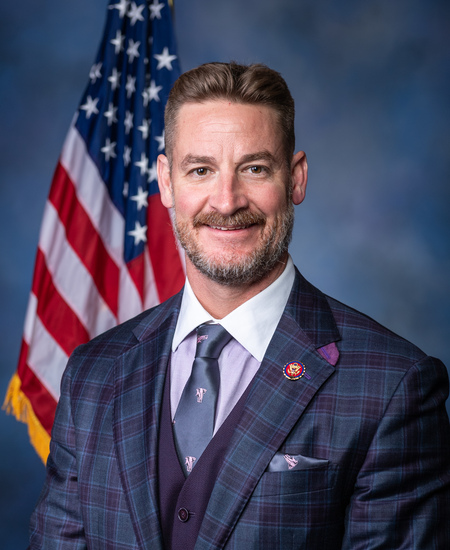
Rep. W. Gregory Steube
Sponsored bills
Maddy summaryThis bill restricts travel for certain foreign officials attending UN meetings in New York. It requires the Secretary of State to limit movement for: (1) Iranian officials, (2) officials linked to designated Foreign Terrorist Organizations, and (3) officials from UN bodies the U.S. does not join. Specific restrictions include confining travel to direct airport-to-UN routes, limiting stays to one day before/after meetings, and restricting non-member UN officials to a 25-mile radius around the UN headquarters (excluding universities). The bill explicitly excludes U.S. citizens and legal residents from these rules.
Maddy summaryThis bill prohibits U.S. colleges and universities from accepting gifts or entering contracts with "foreign countries of concern," as defined by the bill. It directly affects higher education institutions by restricting funding from designated nations deemed a national security risk (including countries listed under defense law and those identified by federal agencies). Key provisions define "foreign country of concern" and clarify that the rule does not apply to standard tuition, housing, or fees. The law amends the Higher Education Act to add this restriction, aiming to limit foreign influence in academia. It does not address existing student payments or academic collaborations outside the specified funding categories.
Maddy summaryThe MOSSA Act (HR 4878) directs federal agencies to prioritize funding for local governments enforcing laws against public drug use, camping, and loitering, while requiring homelessness programs to link participants with mental health/substance use treatment as a condition of aid. It mandates that federal grant programs for homelessness services end support for "housing first" approaches and "harm reduction" initiatives, instead requiring evidence-based treatment programs and stricter accountability for service providers. The bill also directs agencies to address sex offenders in homeless programs by restricting their housing with children and to review funding recipients operating drug injection sites for legal violations. These provisions collectively shift federal funding toward enforcement-focused and treatment-oriented homelessness strategies, affecting state/local governments, homeless service providers, and individuals accessing federal housing assistance.
Maddy summaryHR 4866, the "No Foreign Election Partnership Act," prohibits federal election agencies - including the Federal Election Commission (FEC) and Election Assistance Commission (EAC) - from entering agreements with international organizations that involve data sharing or allow those organizations an advisory role in U.S. federal elections. The bill defines "election agency" as entities administering federal elections and takes effect immediately upon enactment. It does not create new policies but restricts specific types of international collaboration involving election data or advisory input. This is a procedural measure focused on limiting foreign involvement in U.S. election administration processes.
Maddy summaryHR 4846, the ROAD Act, creates a new legal defense for drivers involved in vehicle-related injuries or property damage during riots. It allows defendants to claim this defense if they were convicted of rioting under 18 U.S.C. § 2101 or if the court finds rioting occurred by a preponderance of evidence. The bill requires courts to pause civil cases during related criminal trials unless a conviction wouldn't support the defense. This applies specifically to cases involving motor vehicle incidents stemming from riots, directly affecting defendants with prior riot convictions. The law amends Title 18 to add Section 40B as a procedural change.
Maddy summaryHR 4820, the Freedom from Government Surveys Act, makes participation in the American Community Survey (ACS) voluntary by removing penalties for non-response and requiring a clear statement on the survey itself. It directly affects all households receiving the ACS, which collects detailed demographic and housing data used for federal funding and planning. The bill amends two sections of U.S. Code: it deletes penalties for refusing to answer (Section 221) and mandates that the survey include a notice stating participation is voluntary (Section 193). These changes aim to shift the ACS from a mandatory to a voluntary data collection tool without altering the survey’s content or purpose.
Maddy summaryHR 4788 would amend a 1932 District of Columbia law to allow Members of Congress (Senators and Representatives) to carry concealed firearms in Washington, D.C., if they hold a valid concealed carry license from a state where they are permitted to carry, or are otherwise legally allowed to carry concealed in their home state. The bill requires these members to not be federally prohibited from possessing firearms, to carry a valid state-issued license or proof of residency rights, and to present photo identification. This exception applies only to Members of Congress and does not alter D.C.'s general concealed carry laws for other individuals. The provision would take effect upon the bill's enactment.
Maddy summaryThis bill amends Medicare rules to improve payment for air ambulance services. It requires air ambulance providers to submit detailed cost and revenue data every three years (including fixed costs per base, utilization rates, and revenue) to the Medicare Secretary. The Secretary must then revise fee schedules based on this data and stakeholder input, aiming to better align payments with actual costs. A separate provision mandates the GAO to study average operating costs, payment adequacy, geographic variations, and make recommendations within one year of data collection starting. The bill directly affects Medicare beneficiaries using air ambulances and the providers operating those services.
Maddy summaryHR 4780 (USTRx Act) creates a new Chief Pharmaceutical Trade Negotiator within the U.S. Trade Representative's office to address foreign government drug pricing policies. The bill requires annual reports assessing whether high-income countries' pharmaceutical pricing practices are unfair, non-market-based, or deny U.S. market access. If such practices are found, the USTR must submit a response plan within 30 days to Congress. This bill directly affects U.S. pharmaceutical manufacturers and consumers by aiming to ensure foreign governments pay their "fair share" for drug innovation developed in the U.S.