

Maddy summaryThe Throw Away Junk Plans Act (HR 711) eliminates an exemption that allowed short-term health insurance plans to avoid complying with Affordable Care Act (ACA) requirements. Starting April 1, 2023, these short-term plans - often marketed as low-cost, limited-coverage options - must now meet the same standards as regular health insurance, including covering pre-existing conditions and essential health benefits. This directly affects individuals purchasing health coverage, particularly those who might have relied on these "junk plans" for temporary or cheaper options. The bill closes a loophole that previously permitted insurers to sell such plans without ACA compliance, though it does not impact existing short-term plans sold before the effective date.
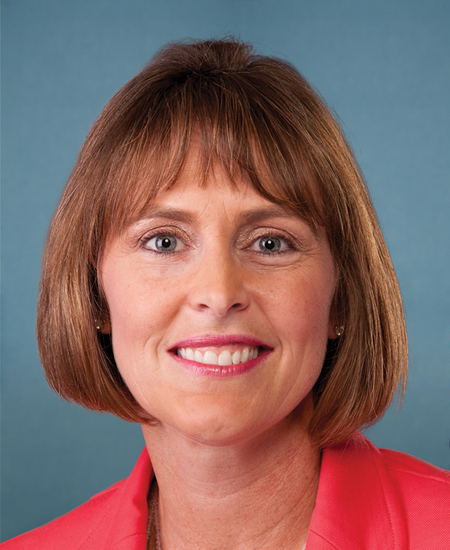
Rep. Kathy Castor
Sponsored bills
Maddy summaryThis bill amends the National Flood Insurance Act to allow private flood insurance policies to count toward continuous coverage requirements. It directly affects property owners who purchase private flood insurance, as it now permits those policies to satisfy the same continuous coverage rules previously only applicable to the federal National Flood Insurance Program (NFIP). The key provision requires the NFIP Administrator to consider periods of private flood insurance coverage as equivalent to NFIP coverage when determining eligibility for continuous coverage under federal law. This change simplifies compliance for property owners seeking to maintain uninterrupted flood insurance coverage without relying solely on the NFIP.
Maddy summaryThis bill mandates the federal government to develop a comprehensive strategy specifically targeting drug trafficking routes through the Caribbean into the United States, including ports of entry, maritime corridors, and air routes. The strategy must define agency roles, detail required resources, and ensure legitimate trade and travel are not hindered. It specifically requires plans to reduce drug-related violent crime in Puerto Rico and the U.S. Virgin Islands, along with recommendations for additional federal assistance or authorities needed by local law enforcement. The bill creates a procedural requirement for this planning document but does not allocate new funding or change existing laws.
Maddy summaryHR 927, the Supreme Court Ethics Act, establishes new ethics rules and oversight for Supreme Court justices. It requires the Judicial Conference to create a binding code of conduct within one year and mandates the appointment of an Ethics Investigations Counsel to receive public complaints, investigate potential violations, and issue annual public reports. The bill also requires justices to publicly disclose their reasons for recusing themselves or denying recusal motions in cases. These provisions directly affect Supreme Court justices by creating a formal process for handling ethics concerns and increasing transparency around their conduct.
Maddy summaryHCONRES 13 is a concurrent resolution expressing Congress's support for maintaining the current policy that prohibits imposing new fees on local radio stations for playing music. It states that Congress should not impose any performance fee, tax, royalty, or charge on local radio stations for broadcasting sound recordings over the air, or on businesses like bars and restaurants that play music publicly. The resolution argues that such fees would harm local radio stations - critical sources for emergency information and community programming - and jeopardize the economic model that has supported both radio and the music industry for decades. This resolution does not create new law but formally opposes potential legislative changes to the existing fee structure.
Maddy summaryThe Better Care Better Jobs Act (HR 547) aims to improve access to home and community-based services (HCBS) for Medicaid beneficiaries by providing states with planning grants and enhanced federal funding. States that develop approved HCBS infrastructure improvement plans will receive a 10 percentage point increase in federal Medicaid funding for HCBS services, with additional incentives for self-directed care programs. The bill requires states to address barriers to access, expand workforce development, improve payment rates for direct care workers, and track demographic data on service utilization. It also establishes quality measurement requirements and mandates regular reporting on progress toward improving HCBS access and quality.
Secure Access for Essential Reproductive Health Act of 2023 or the SAFER Health Act of 2023 This bill prohibits health care providers and insurance plans from disclosing in a legal proceeding an individual's personal health information related to an abortion or pregnancy without the individual's valid authorization. The prohibition applies to federal, state, local, and tribal proceedings, including civil, criminal, administrative, and legislative proceedings. The bill provides limited exceptions such as if the information is necessary to investigate physical harm to the individual. Further, the Department of Health and Human Services must conduct an outreach campaign to inform covered entities and the public about the prohibition.
Maddy summaryHR 765, the African American History Act, authorizes $2 million annually for the National Museum of African American History and Culture to develop educational resources and programs about African American history. The bill directs the museum to create accessible teaching materials, support teacher professional development, and expand digital content for schools and the public, focusing on contributions, civil rights, and historical contexts. It requires annual reports to Congress and expires in 2028. The program directly supports educators, students, and families in learning about African American history through museums, schools, and online platforms.
Maddy summaryThe HOME Act of 2023 prohibits landlords and sellers from charging "unconscionably high" prices for rental or single-family homes during declared housing emergencies. The President can issue emergency declarations (up to 30 days, renewable) to trigger this rule, with prices deemed excessive if they far exceed pre-emergency rates or comparable market prices. Violations would be enforced by HUD and state attorneys general, with penalties funding affordable housing programs via the Housing Trust Fund. The bill also mandates HUD to investigate market manipulation and monitor large investor purchases exceeding specific thresholds.
Maddy summaryHR 715, the Bipartisan Background Checks Act of 2023, requires background checks for all firearm transfers between private individuals, not just those through licensed dealers. It mandates that unlicensed sellers must involve a licensed dealer to conduct a background check before transferring a firearm, with exceptions for family transfers (like spouses or parents/children), law enforcement, temporary safety transfers, and certain hunting or range activities. The bill also requires licensed dealers to provide a notice and certification form in both English and Spanish to buyers. It explicitly states it won't create a national gun registry or override state laws on the same topic. The law would take effect 180 days after enactment.