Maddy summaryThis bill directs the Department of Homeland Security to implement the Migrant Protection Protocols (MPP) as outlined in a 2019 policy memo. It requires migrants seeking asylum at the U.S. border to remain in Mexico while their cases are processed, rather than being allowed to stay in the U.S. pending a hearing. The bill does not create new rules but mandates the reinstatement of a policy that was previously in effect from 2019 to 2021. This would directly affect asylum seekers arriving at the U.S.-Mexico border. The policy change would apply to all migrants covered by the existing MPP framework.
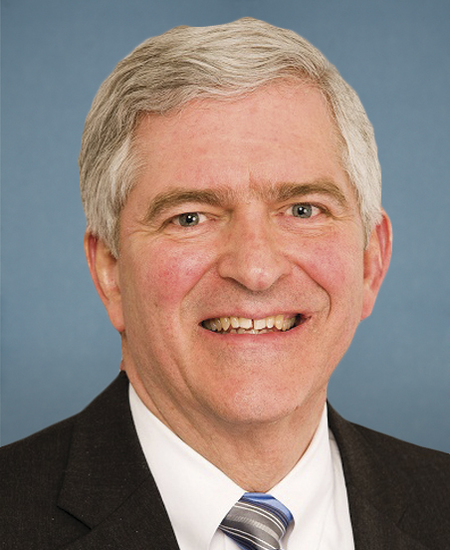
Rep. Daniel Webster
Sponsored bills
Maddy summaryThis bill blocks federal funding for Planned Parenthood Federation of America and its clinics for one year unless they certify they won't perform abortions. Exceptions apply for pregnancies resulting from rape or incest, or when a woman's life is in danger due to a medical condition. The bill redirects the redirected funds to community health centers and other providers serving women's health needs, authorizing $235 million for this purpose. It explicitly states this will not reduce overall federal funding for women's health services. The policy change directly affects Planned Parenthood clinics receiving federal funds, requiring them to certify abortion restrictions or lose funding.
Maddy summaryHR 82, the Social Security Fairness Act of 2023, repeals two provisions that reduce Social Security benefits for certain government workers. It eliminates the Government Pension Offset (GPO), which cuts spousal or survivor benefits for people with pensions from jobs not covered by Social Security (like federal or state government roles), and the Windfall Elimination Provision (WEP), which lowers retirement benefits for those with similar pensions. The law takes effect for benefits paid after December 2023, requiring the Social Security Administration to adjust benefit calculations to remove these reductions. This change directly affects public-sector employees who previously had their Social Security benefits reduced due to their government pensions.
Maddy summaryThe Jackie Robinson Ballpark National Commemorative Site Act designates Jackie Robinson Ballpark in Daytona Beach, Florida, as a National Commemorative Site, making it part of the African American Civil Rights Network. The bill requires the Secretary of the Interior to conduct a special resource study within two years to evaluate the site's national significance and preservation options, without designating it as a unit of the National Park System. This designation does not affect private property rights, local zoning, or current site management by its owners.
Maddy summaryHR 7365, the VETS Safe Travel Act, provides free TSA PreCheck access to veterans with specific service-connected disabilities. It applies to veterans enrolled in VA healthcare who have lost or lost use of an extremity, experience paralysis, or have permanent blindness, requiring mobility aids like wheelchairs or prosthetics. The bill requires TSA and the VA to coordinate implementation within one year, including outreach to veterans about this benefit and reporting to Congress on progress.
Maddy summary# Summary of the EXPLORE Act Legislative Text This is a comprehensive legislative text (likely the "EXPLORE Act" - Enhancing Recreation Opportunities for People of All Abilities, and Veterans) that establishes several key initiatives to improve outdoor recreation access across Federal lands. ## Key Focus Areas: ### 1. Accessibility for People with Disabilities (Title II - Access America) - Requires comprehensive assessments of outdoor recreation facilities on Federal lands within 5 years - Mandates development of 3 new accessible trails per region for each agency (Forest Service, National Park Service, BLM, USFWS) within 1 year - Requires development of 2 new accessible recreation opportunities per region within 1 year - Requires making accessibility information available on public websites within 7 years - Requires development of accessible features including trail bridges, parking, and restrooms ### 2. Military and Veterans Programs - Requires educational materials for military members/veterans on accessing Federal lands free of charge within 2 years - Establishes Military Veterans Outdoor Recreation Liaisons within relevant agencies within 1 year - Requires a National Strategy for Military and Veteran Recreation within 1 year - Creates a pilot program for veteran employment in conservation positions - Promotes partnerships with organizations providing outdoor recreation for veterans ### 3. Youth Access - Requires a strategy to increase youth recreation visits to Federal lands within 2 years - Extends the "Every Kid Outdoors" program until September 30, 2031 - Focuses on increasing opportunities for underserved youth ### 4. Recreation Permitting Modernization (Title III) - Defines special recreation permits and establishes fee structures - Creates categories for different types of recreation permits - Establishes a process for application and review of permits - Includes provisions for multijurisdictional trips across different Federal lands The legislation aims to improve access to outdoor recreation for people with disabilities, veterans, and youth while modernizing the permitting process for recreational activities on Federal lands. It requires specific timelines for implementation and includes detailed definitions and requirements for each component of the bill.

Maddy summaryThe FISHES Act (HR 5103) streamlines access to emergency disaster funds for fisheries by setting strict deadlines for federal review. It requires the Secretary of Commerce to review and provide notice on spend plans within 10 days of submission and mandates that funds be made available to grantees no later than 90 days after a complete spend plan is received. This directly affects fisheries that have received a formal "fishery resource disaster" determination, ensuring faster disbursement of funds for recovery efforts. The bill also prohibits the Office of Management and Budget from delaying these timelines during concurrent review. The law aims to reduce bureaucratic delays in post-disaster funding without altering the underlying disaster assistance program.
Maddy summaryHR 24, the Federal Reserve Transparency Act of 2025, mandates a comprehensive audit of the Federal Reserve Board and Federal Reserve banks by the Government Accountability Office (GAO) within 12 months of enactment. The bill requires the GAO to submit a detailed report to Congress within 90 days of completing the audit, including findings, conclusions, and recommendations for legislative or administrative action. This audit replaces current limitations on reviewing Federal Reserve operations, particularly regarding entities like special purpose vehicles not previously subject to standard audits. The bill directly affects the Federal Reserve System by increasing congressional oversight of its financial activities and reporting mechanisms.
Maddy summaryThis bill denies federal funds to states or localities (sanctuary jurisdictions) that restrict sharing immigration status information or refuse to comply with federal detainer requests under specific circumstances. It specifically blocks funding intended for services like food, shelter, healthcare, legal aid, or transportation for undocumented immigrants. The funding cutoff begins 60 days after enactment or the next fiscal year start. An exception applies if a jurisdiction cooperates when an undocumented immigrant is a crime victim or witness.
Maddy summaryThe Manatee Protection Act of 2025 would require the U.S. Fish and Wildlife Service to officially list the West Indian manatee as an endangered species under the Endangered Species Act. This designation would subject the manatee to all federal protections and regulations, including restrictions on activities harming the animals or their critical habitat. The bill directly affects the manatee population and activities in their environment, such as boating, coastal development, and waterway management, which would now require federal permits to avoid harming the species. It mandates a formal listing under existing law rather than creating new protections, ensuring the manatee is legally recognized as endangered for conservation enforcement.