

Maddy summaryThis bill modernizes housing assistance programs for Native American tribes and Native Hawaiians by streamlining environmental reviews, extending funding authorization through 2032, and expanding loan guarantee options. Key provisions include consolidating environmental review requirements to reduce paperwork for tribes, allowing 99-year leasehold interests on trust lands for housing, and creating new rental assistance specifically for homeless or at-risk Native American veterans. The legislation also clarifies rent rules, waives certain housing counseling certifications for tribal entities, exempts tribal housing projects from some federal civil rights and Buy America requirements, and establishes a direct loan guarantee process for tribal housing projects.
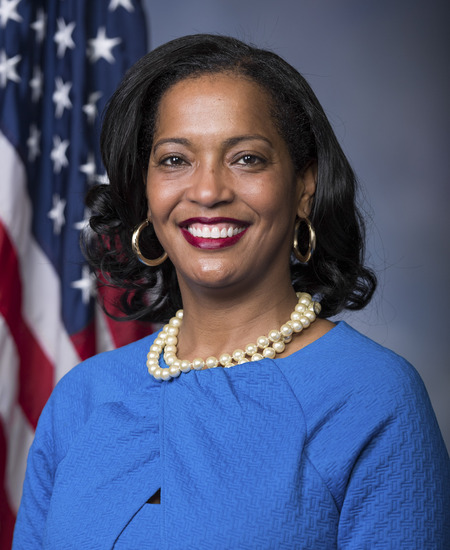
Rep. Jahana Hayes
Sponsored bills
Maddy summaryHouse Resolution 1208 expresses the House of Representatives' support for honoring Earth Day and its historical role in promoting environmental protection and action. It encourages American citizens to engage in environmental stewardship and urges the President and the U.S. Government to take immediate action to address climate change, environmental injustices, and rejoin international climate agreements.
Maddy summaryThis bill establishes a low-interest loan program, administered by the Secretary of Agriculture, to support child care providers in rural areas. The program aims to increase the availability of child care by funding the renovation, expansion, or adaptation of structures for child care services in communities with limited options, known as "child care deserts." Eligible providers must be licensed, conduct background checks, and demonstrate that their project will add child care capacity in these underserved rural areas.
Maddy summaryThis bill establishes a grant program to help vulnerable mothers and babies in areas with high climate-related health risks, such as extreme heat and air pollution. It directs the Department of Health and Human Services to award up to $105 million over four years to community groups, healthcare providers, and local organizations for initiatives that provide cooling resources, health education, and support services. The program prioritizes areas with high rates of maternal and infant health disparities and requires grantees to address racial and ethnic inequities. Additionally, the bill creates a research consortium at the National Institutes of Health to study climate impacts on birth outcomes and funds training programs for health profession schools to better prepare providers for these risks.
Maddy summaryThe Momnibus Act is a comprehensive legislative bill designed to improve maternal health outcomes across the United States by addressing social determinants of health, expanding access to care, and reducing disparities among pregnant and postpartum individuals. The bill establishes a federal task force to coordinate efforts between agencies and stakeholders to eliminate preventable maternal mortality and severe morbidity, while providing sustained funding to community-based organizations to address nonclinical factors like housing, nutrition, and transportation. Key provisions include extending WIC eligibility to 24 months postpartum, creating grants to grow and diversify the perinatal workforce, implementing respectful maternity care training for all healthcare employees, and establishing compliance programs to track and address bias in maternity care settings. The legislation also includes specific measures for incarcerated mothers, veterans, and vulnerable populations affected by climate change, alongside funding for maternal mental health services and technology-enabled care models to expand access in underserved areas.
Maddy summaryThis House Resolution supports designating the week of April 11 through April 17, 2026, as "Black Maternal Health Week." The resolution aims to bring national attention to the maternal and reproductive health crisis in the United States, specifically highlighting the importance of reducing maternal mortality and morbidity among Black women and birthing people.
Maddy summaryThe YouthBuild for the Future Act aims to strengthen and expand the existing YouthBuild program, which provides education and job training to young people. The bill increases authorized funding for the program and creates a new grant program to foster partnerships between YouthBuild programs and employers, aiming to develop more employment opportunities for participants. It reserves a portion of increased funds for rural areas and programs serving Native American, Alaska Native, and Native Hawaiian communities. Furthermore, the bill expands the types of supportive services YouthBuild programs can offer, including meals and assistance with applying for federal and state benefit programs.
Maddy summaryThis concurrent resolution (HCONRES 40) directs the President to remove U.S. military forces from hostilities with Iran, as required by the War Powers Resolution. It applies directly to U.S. Armed Forces deployed in conflict with Iran, except for forces needed to defend the U.S. or allies from imminent attack. The bill mandates removal unless the President complies with War Powers Resolution reporting requirements for self-defense actions, without needing new congressional authorization. As a procedural resolution, it does not create new law but compels executive action under existing legal framework.
Maddy summaryThe Tech to Save Moms Act aims to improve maternal health outcomes for pregnant and postpartum individuals by increasing access to technology-enabled care. It allows states to adopt and use telehealth tools under Medicaid for screening, monitoring, and managing health complications during pregnancy and up to one year postpartum. The bill also establishes two grant programs: one to fund technology-enabled collaborative learning models for training maternal healthcare providers, especially in underserved areas, and another to increase access to digital tools that reduce maternal health disparities. Finally, it directs the National Academies to study the use of technology and patient monitoring devices in maternity care, focusing on racial and ethnic biases.
Maddy summaryThe CREATES Act authorizes a grant program for states to establish or improve publicly accessible databases of educational and occupational credentials. The Secretary of Labor, in consultation with the Secretary of Education, would award competitive grants up to $10 million over three years to states for this purpose. States receiving grants must create repositories that identify all credentials and training providers in the state, including details on program costs, skills developed, career pathways, and employment outcomes associated with each credential. These repositories must use transparent, interoperable data formats and be continuously updated, while strictly prohibiting the collection of any personally identifiable information. This initiative aims to help individuals make informed education and career choices, and provides data for employers, educators, and counselors.