

Maddy summaryHR 5543, the Baltic Security Assessment Act of 2025, requires the U.S. State and Defense Departments to submit a report within 180 days of enactment. The report will assess emerging military, cyber, hybrid, and political threats to Estonia, Latvia, and Lithuania, including the roles of Russia, Belarus, China, Iran, and other actors. It will also evaluate U.S. and NATO military presence in the region, opportunities for defense cooperation, and recommendations to strengthen deterrence, cybersecurity, and democratic resilience in the Baltic countries. This bill directly affects U.S. foreign policy and defense planning regarding the Baltics, but does not create new programs or funding.
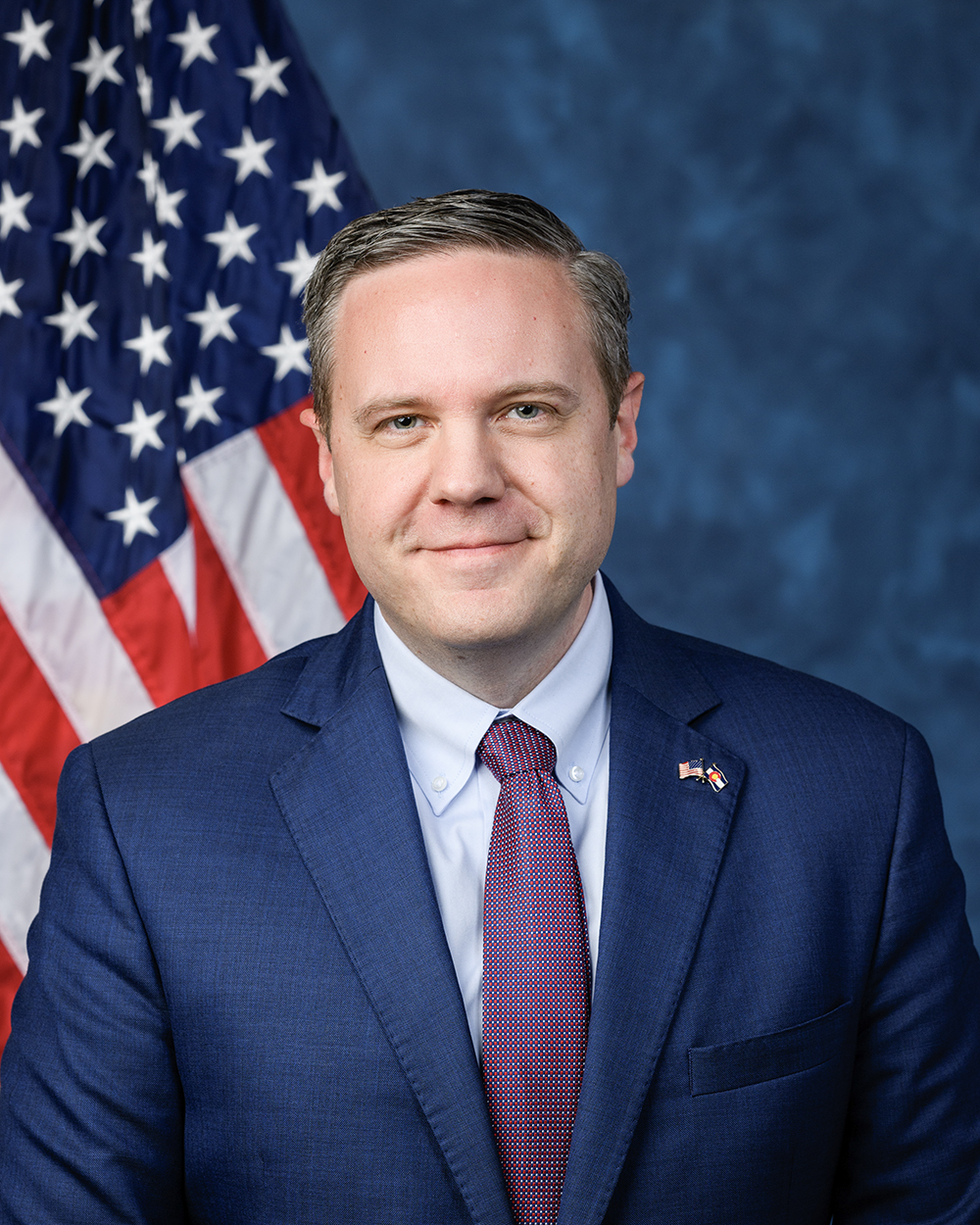
Rep. Jeff Hurd
Sponsored bills
Maddy summaryThis bill, HR 8403, amends the Food and Nutrition Act of 2008 to modify the definition of eligible food items for the Supplemental Nutrition Assistance Program (SNAP). It directly affects SNAP recipients by expanding the types of food they can purchase with their benefits. The key provision explicitly adds "hot rotisserie chicken" to the list of items considered SNAP-eligible food. This change would allow individuals using SNAP to buy prepared hot rotisserie chickens from authorized retailers.
Maddy summaryThe ESA Amendments Act of 2025 makes significant changes to the Endangered Species Act of 1973 to streamline conservation efforts and reduce regulatory burdens. It establishes a national listing work plan with priority classifications for species to better allocate resources, and creates "Candidate Conservation Agreements with Assurances" that provide private landowners with regulatory certainty in exchange for conservation actions. The bill also requires the government to publish the basis for listings online, streamlines permitting processes for projects that comply with conservation measures, and modifies critical habitat designation to better accommodate existing conservation plans on private lands. These changes aim to improve conservation outcomes while reducing delays for landowners, developers, and federal agencies working with listed species.
Maddy summaryThe ALERT Act (HR 7613) requires the Federal Aviation Administration to improve aviation safety through several key measures. It mandates the evaluation and potential implementation of enhanced collision avoidance systems (ACAS-Xa) for commercial aircraft and ACAS-Xr for rotorcraft, with specific deadlines for rulemaking and installation. The bill establishes committees to develop recommendations for safety technology requirements, requires safety risk assessments for air traffic controllers, and addresses operational procedures at high-traffic airports like Ronald Reagan Washington National. These provisions affect air carriers, air traffic controllers, rotorcraft operators, and Department of Defense aircraft operations. The act aims to enhance situational awareness and reduce midair collision risks through technology upgrades and improved safety protocols.
Maddy summaryThe Small County PILT Parity Act amends the federal Payments in Lieu of Taxes (PILT) program, which provides payments to local governments containing tax-exempt federal lands. This bill directly affects small counties and other local governments with low populations that receive these federal payments. It revises the formula for calculating PILT payments by lowering the minimum population threshold for the smallest payment category from 4,999 to 499. Additionally, the bill replaces the entire payment schedule, adjusting the per-person amounts local governments receive based on their population size, with new rates for various population brackets starting from 500.
Maddy summaryHRES 971 is a non-binding resolution condemning China's economic and military actions against Japan following Japanese officials' comments about Taiwan. It specifically addresses China's travel advisory (causing $1.2 billion in tourism losses), a ban on Japanese seafood imports, and military drills near Japanese territory. The resolution reaffirms U.S. support for the U.S.-Japan alliance under their mutual security treaty and calls on China to cease coercion. It emphasizes U.S. commitment to upholding a "free and open Indo-Pacific" based on international law. This resolution directly affects Japan's economy and security, with no new legal obligations but serving as a formal U.S. policy statement.
Maddy summaryThis bill amends the 1965 Public Works and Economic Development Act to expand how federal grants can be used. It adds two specific purposes: (1) facilitating the relocation of jobs from outside the U.S. to American workers, and (2) supporting growth in the manufacturing sector. Grants for public works, economic development planning, training, and economic adjustment must now include these new objectives. The changes apply to state and local governments receiving these federal funds, directing them to prioritize domestic job relocations and manufacturing expansion. The bill modifies existing grant program rules but does not create new funding.
Maddy summaryThe Supersonic Aviation Modernization Act requires the Federal Aviation Administration (FAA) to issue new regulations within one year of enactment, enabling commercial supersonic flights (faster than the speed of sound) over U.S. airspace without special permission. These regulations would only permit such flights if the aircraft is operated to prevent sonic booms from reaching the ground. The bill directly affects companies developing and operating supersonic aircraft, as well as the FAA, which must revise existing rules to accommodate this change. This policy shift removes current barriers to routine supersonic travel in U.S. airspace under specific noise-reduction conditions.
Maddy summaryHR 556, the Protecting Access for Hunters and Anglers Act, prevents federal agencies from banning lead ammunition or tackle on public lands and waters managed for hunting or fishing. It directly affects hunters and anglers using federal lands (like national wildlife refuges, public forests, and BLM lands) by blocking nationwide restrictions on lead products. The bill allows limited exceptions only for specific locations where wildlife decline is directly linked to lead use, and the restriction must align with state law or get approval from the state wildlife agency. This changes how federal land managers can regulate lead, requiring state coordination for any local restrictions.
Maddy summaryThis bill requires that U.S. Representatives and Senators have their pay withheld for each day a government shutdown occurs during their pay period. If a shutdown happens, Congress's payroll office would withhold an amount equal to one day's salary for each full day of the shutdown, either reducing the current pay or holding funds in a special account until after the November 2026 election (for shutdowns before that date). The law applies to all federal agency shutdowns and specifies that withheld funds must be released to members on the 2026 election date to comply with constitutional pay protections. It takes effect for shutdowns occurring after the 2026 election.