

Maddy summaryHR 3923, the Wildfire Coordination Act, establishes a permanent Wildfire Science and Technology Advisory Board within the U.S. Department of the Interior. The Board coordinates federal wildfire research, translates scientific findings into practical applications, and shares best practices with fire departments, researchers, and tribal/state/local governments through online portals and workshops. It includes 18 non-federal members representing fire services, private sector entities, researchers, and public health experts, alongside senior officials from 15 federal agencies. The bill authorizes $10 million in funding and requires the Board to submit a report to Congress within two years detailing progress, barriers, and future research priorities.
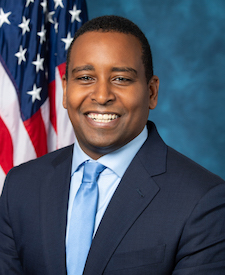
Rep. Joe Neguse
Sponsored bills
Maddy summaryThis bill codifies existing protections for designated roadless areas within the National Forest System by prohibiting new road construction, road reconstruction, and logging in these areas. It directly affects National Forest lands already identified as "inventoried roadless areas" under the current Roadless Rule, which covers roughly 58 million acres. The key mechanism requires the Secretary of Agriculture to enforce these prohibitions, maintaining current protections without expanding restrictions to other lands or altering existing multiple-use management. The bill does not create new protected areas but legally solidifies the existing regulatory framework to preserve ecological and recreational values.
Maddy summaryThis bill expands eligibility for career services under the Disabled Veterans' Outreach Program to include spouses of military members who died in service (Gold Star spouses) and surviving spouses of service members who died while on active duty. It amends existing law to define "eligible person" as these spouses, replacing or adding to previous veteran-focused language. The key change allows these spouses to access career counseling, job training, and employment assistance previously available primarily to veterans themselves. This directly affects military families who have lost a loved one in the line of duty, providing them with new pathways to workforce support. The bill modifies specific sections of Title 38, U.S. Code, to implement this expanded eligibility.
Maddy summaryThis bill requires private firearm transfers between individuals to go through a licensed dealer who must conduct a background check. It applies to most private sales but includes exceptions for transfers between family members (like parents and children), law enforcement, emergencies preventing harm, and temporary loans at shooting ranges or for hunting. Dealers must provide background check notices in both English and Spanish. The law aims to prevent prohibited individuals from obtaining firearms through private transactions while maintaining existing state authority on firearm laws.
Maddy summaryHR 3868, the Enhanced Background Checks Act of 2025, modifies federal firearm background check procedures to address delays. It requires federal firearms licensees to wait 10 business days after a background check query if the system doesn’t immediately flag a transfer, unless the buyer submits an electronic petition confirming they aren’t prohibited from owning firearms. The petition process includes a 10-day response deadline from the Attorney General, with licensees allowed to proceed if the system remains silent after 10 days. The bill also mandates detailed annual reports from the FBI on petition delays and GAO reports on implementation, focusing on how these changes affect firearm transfers to prohibited individuals.
Maddy summaryHR 3866, the Maternal and Infant Syphilis Prevention Act, requires the U.S. Department of Health and Human Services to issue federal guidance to states within 12 months. This guidance directs state Medicaid programs, Children's Health Insurance Programs (CHIP), and tribal health programs on improving syphilis screening for pregnant women - specifically emphasizing third-trimester and delivery testing - and expanding access to treatment. It also mandates best practices for provider education, telehealth integration, multilingual resources, and patient outreach to prevent congenital syphilis. The bill directly affects pregnant women, newborns, and healthcare providers operating under state health programs, aiming to reduce preventable infant deaths and health complications linked to untreated syphilis during pregnancy.
Maddy summaryHR 3885, the Community TEAMS Act of 2025, creates a new grant program to expand medical student clinical training in rural and medically underserved communities. It provides funding for consortia of medical schools partnered with rural health clinics, community health centers, or facilities in underserved areas to support student rotations in outpatient settings. The grants, lasting 1-5 years, require applicants to detail project plans, sustainability, and how the program will improve community access to healthcare. This directly affects medical students, training facilities, and residents of high-need areas by aiming to build a sustainable physician workforce in those locations.
Maddy summaryThis bill requires federal land agencies (like the Bureau of Land Management and National Park Service) to develop Tribal Co-Management Plans within one year, enabling federally recognized tribes to partner with agencies on forest and grassland management activities - such as restoration, planning, and recreation - on lands historically connected to those tribes. Tribes can enter agreements with the Forest Service to carry out these activities, with federal staff receiving training on indigenous knowledge and tribal history. The bill authorizes $50 million (2026-2030) to support these agreements, mandates consultation to protect tribal data sovereignty, and requires agencies to consider tribal cultural ties when evaluating partnership proposals.
Maddy summaryHRES 481 is a symbolic resolution condemning recent antisemitic attacks in the U.S., specifically referencing the June 1, 2025, Boulder, Colorado, assault on a Jewish community gathering and other incidents like the May 2025 Washington, D.C., embassy shooting. It formally recognizes a pattern of violence targeting Jewish individuals and institutions, including attacks during religious events. The resolution calls on law enforcement to thoroughly investigate and prosecute such incidents and urges elected officials to publicly oppose antisemitism and politically motivated violence. As a non-binding resolution, it does not create new laws or allocate funding but serves to affirm congressional stance against antisemitism.
Maddy summaryThe STABLE GENIUS Act prohibits federal elected officials (including members of Congress, the President, Vice President, and candidates for these offices) from holding or trading digital assets (like cryptocurrencies) during their election campaigns, while serving in office, and for one year after leaving office. The only exception allows them to place digital assets into an ethics-approved "qualified blind trust," which must divest within six months and require annual certifications from the trustee. Violations carry civil penalties of up to $250,000 or criminal charges for large financial losses or personal profit. The bill directly affects all federal lawmakers and candidates, aiming to prevent conflicts of interest with digital asset investments.