

Maddy summaryHR 4482, the Stop NOAA Closures Act, imposes a temporary moratorium on closing, suspending, or limiting access to National Oceanic and Atmospheric Administration (NOAA) facilities, effective until a report is submitted to Congress by January 21, 2029. The bill requires NOAA and the General Services Administration to submit detailed reports to specific congressional committees before any future facility closure, suspension, lease termination, or consolidation - outlining cost-benefit analyses, service impacts, and justification. Exceptions apply only for emergencies posing immediate threats to personnel safety. This bill directly affects NOAA's facility management decisions and mandates congressional oversight for future closures.
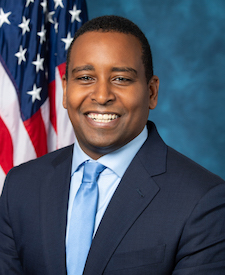
Rep. Joe Neguse
Sponsored bills
Maddy summaryHR 4480, the Improving Disaster Assistance for Veterans Act, creates a dedicated "Veterans Advocate" position within FEMA. This advocate would specifically ensure veterans' needs are addressed during disaster declarations and emergency responses, serving as the main contact between FEMA and veterans' organizations. The bill requires the advocate to participate in declaration processes, identify veteran recruitment opportunities within FEMA, and conduct other activities to improve veterans' access to disaster assistance. The legislation does not expand existing disaster assistance funding or eligibility but aims to improve how current programs serve veterans.
Maddy summaryThis bill prohibits Medicare from paying for orthotics or prosthetics delivered directly to patients without in-person training from a qualified provider (a "drop shipment"), ensuring beneficiaries receive proper fitting and use instructions. It expands the list of healthcare providers who can prescribe these devices to include physical therapists, occupational therapists, orthotists, and prosthetists. The bill also specifically requires Medicare to cover replacements for custom-fitted orthotics and custom-fabricated orthotic devices, aligning with existing rules for prosthetic replacements. These changes aim to improve patient safety and access to properly fitted devices under Medicare.
Maddy summaryThis bill would require federal political campaigns to obtain explicit, active consent from donors before charging them repeatedly for contributions. It prohibits campaigns from using pre-checked boxes or passive actions (like failing to uncheck a box) as valid consent for recurring donations. Campaigns would need to send clear receipts showing the next charge date and provide simple cancellation methods upon request. The law directly affects donors to federal election campaigns and the campaigns themselves, mandating transparent handling of recurring payments.
Maddy summaryThis bill establishes federal worker heat protection standards to prevent heat-related illness and injury. It requires employers to provide a workplace free from heat stress hazards, including access to cool water, scheduled rest breaks, shaded cooling areas, and training on heat illness symptoms. The Secretary of Labor must create these standards within one year, incorporating evidence-based practices like engineering controls (e.g., ventilation), administrative measures (e.g., adjusted schedules), and employer-paid personal protective equipment. The law directly affects all employers in high-heat work environments - such as construction, agriculture, and manufacturing - and strengthens whistleblower protections for workers reporting safety violations.
Maddy summaryHR 4453 would amend federal law to add Parkinson's disease to the list of illnesses automatically considered work-related for firefighters. Specifically, it inserts "Parkinson's disease" into Section 8143b(b) of Title 5, U.S. Code, which determines which conditions qualify for disability benefits under the Federal Employees' Compensation Act. This change directly affects firefighters who develop Parkinson's disease during their fire protection duties, making it easier for them to qualify for federal disability compensation without needing to prove direct causation. The bill modifies existing code language to include this condition among other work-related illnesses already covered for firefighter benefits.
Maddy summaryHR 1442, the Youth Poisoning Protection Act, bans consumer products containing 10% or more sodium nitrite by classifying them as hazardous under existing safety laws. This directly affects manufacturers and sellers of such products, including certain food coloring or preservation items. The ban excludes industrial uses, drugs, cosmetics, and food products like poultry, meat, and eggs under federal food safety definitions. It takes effect 90 days after enactment, targeting products that pose poisoning risks without restricting food or medical applications.
Maddy summaryThis bill would allow states to create their own universal health care systems by applying for waivers that replace federal health programs with state-based coverage. States would need to demonstrate they can cover at least 95% of residents within 5 years, maintain comparable benefits and affordability, and provide comprehensive coverage including reproductive health services. The federal government would redirect funds that would have gone to federal programs like Medicaid and Medicare to the states, with states required to submit regular reports on coverage progress and costs. The bill includes specific protections for Indian health care providers and ensures coverage for vulnerable populations without imposing new costs on them. This framework would apply to states that choose to implement their own universal health care system rather than relying on existing federal programs.
Farmers First Act of 2025 This bill extends through FY2030 and revises the Farm and Ranch Stress Assistance Network (FRSAN). This Department of Agriculture program provides competitive grants to states, Indian tribes, and qualified nonprofit organizations to provide stress assistance programs (i.e., professional agricultural behavioral health counseling, helplines, and resources) to individuals engaged in farming, ranching, and agriculture-related occupations. The bill specifies that the grant funding for farm telephone helplines and websites may also be used for crisis lines. Further, FRSAN grant recipients may establish referral relationships with providers, including Certified Community Behavioral Health Clinics, health centers, rural health clinics, and critical access hospitals.
Maddy summaryThis bill amends the Joint Chiefs Landscape Restoration Partnership program to expand its scope and improve coordination. It adds wildfire recovery and soil/water resource enhancement as eligible project purposes, requires the Natural Resources Conservation Service to coordinate with the Forest Service on science and management plans, and extends the program's authorization through 2031. The changes apply directly to federal agencies administering the program, including the Natural Resources Conservation Service and Forest Service, and affect projects managed under the partnership. Key provisions include updated wildfire risk assessments and alignment with state forest action plans. The bill makes concrete adjustments to existing program rules without creating new funding or altering core program eligibility.