

Maddy summaryHR 1522, the Federal Retirement Fairness Act, changes federal retirement rules to include temporary employees' service after January 1, 1988, in retirement benefit calculations. It directly affects temporary federal employees (including U.S. Postal Service workers) and Members of Congress who served after that date. The bill removes a previous cutoff date in retirement law, allowing their temporary service to count toward retirement eligibility. This means eligible temporary workers can now have their full service period considered when calculating retirement benefits.
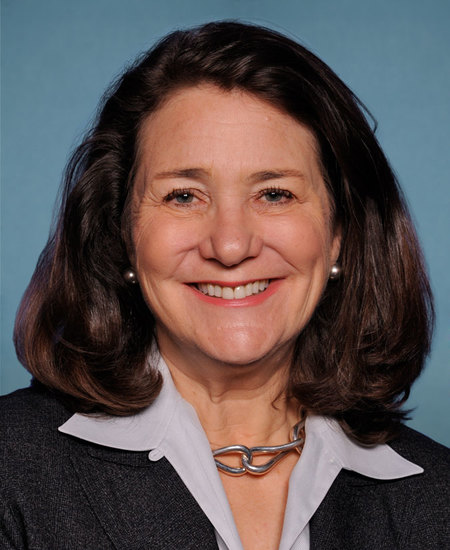
Rep. Diana DeGette
Sponsored bills
Maddy summaryHR 4516, the Saving Lives and Taxpayer Dollars Act, prohibits the U.S. government or its aid partners from destroying food, medicine, vaccines, or other foreign assistance commodities before they expire, requiring these items to be redirected to intended beneficiaries instead. The bill mandates that agencies like USAID, State, and Agriculture must make every effort to donate or sell expired aid items to those in need before disposal. It also requires annual reports to Congress detailing any expired, spoiled, or destroyed aid items, including reasons for not redirecting them and associated costs. This directly affects U.S. foreign aid agencies and their global partners, ensuring aid reaches people facing hunger, disease, or health crises rather than being wasted.
Maddy summaryHCONRES 44 is a symbolic resolution recognizing a health and safety emergency for children linked to the Trump administration's climate policies. It claims these policies - unleashing fossil fuel production, blocking renewable energy, and suppressing climate science - disproportionately harm children through increased air pollution, extreme weather, and denied access to climate data. The resolution calls for reversing these policies, restoring the EPA's mission, and ensuring climate action aligns with protecting children's rights. It does not enact new laws or change policy, but serves as a formal congressional statement of concern.
Maddy summaryThis bill prohibits U.S. Immigration and Customs Enforcement (ICE) from using federal funds to detain or transport U.S. citizens during civil immigration enforcement actions. It directly affects ICE operations by blocking funding for any activity that would hold or move citizens outside the U.S. under immigration laws. The key mechanism is a specific funding restriction in the bill text, stating no funds may be used for detaining or transporting citizens. This applies to all civil immigration enforcement activities defined under the Immigration and Nationality Act. The bill does not create new enforcement powers but limits how existing funds can be spent.
Maddy summaryThis bill establishes federal worker heat protection standards to prevent heat-related illness and injury. It requires employers to provide a workplace free from heat stress hazards, including access to cool water, scheduled rest breaks, shaded cooling areas, and training on heat illness symptoms. The Secretary of Labor must create these standards within one year, incorporating evidence-based practices like engineering controls (e.g., ventilation), administrative measures (e.g., adjusted schedules), and employer-paid personal protective equipment. The law directly affects all employers in high-heat work environments - such as construction, agriculture, and manufacturing - and strengthens whistleblower protections for workers reporting safety violations.
Maddy summaryThe Tribal Access to Clean Water Act of 2025 provides federal funding to address the lack of clean water and sanitation on Tribal lands and for the Native Hawaiian Community. The bill authorizes $100 million annually for USDA water infrastructure loans and grants, $500 million annually for Indian Health Service sanitation facilities, $100 million annually for operation and maintenance of water systems, and $30 million annually for technical assistance to help Tribal communities access and manage water infrastructure funding. It specifically expands eligibility to include Native Hawaiian organizations, addresses gaps in previous infrastructure funding, and requires no matching contributions from Tribal communities. The bill targets the situation where nearly half of households on Tribal lands lack reliable water sources and basic sanitation.
Maddy summaryHR 4382 authorizes the U.S. Mint to produce commemorative coins for the 2028 Los Angeles Olympics/Paralympics and 2034 Salt Lake City Winter Olympics/Paralympics. It specifies gold, silver, and half-dollar coin designs with defined mintage limits (e.g., up to 100,000 $5 gold coins for each event), all bearing inscriptions like "2028" or "2034" and standard coin features. A surcharge ($5-$50 per coin) is added to sales, with all funds directed to the respective Olympic committees to support event hosting and legacy programs like youth sports. The bill ensures no net cost to the government by requiring surcharge revenues to cover all design, production, and marketing expenses before funds are disbursed.
Maddy summaryHRES 575 is a symbolic resolution designating July 10th as "Journeyman Lineworkers Recognition Day." It honors lineworkers who face significant risks daily - working at heights near live wires and responding to disasters like hurricanes and wildfires. The resolution specifically references Henry Miller, an early leader of the International Brotherhood of Electrical Workers, who died on July 10, 1896, while troubleshooting an outage. It encourages the public to recognize these workers' contributions but does not create new laws or allocate funding.
Maddy summaryThe Wild Horse and Burro Protection Act of 2025 requires the Bureau of Land Management (BLM) to eliminate helicopter and fixed-wing aircraft use in rounding up wild horses and burros over a two-year phase-out period. It mandates that any remaining aircraft used for these operations must have cameras recording the process, with footage made public in BLM reports. The bill addresses findings that helicopter roundups cost taxpayers over $69.5 million since 2012 and that the BLM spends less than 1% of its budget on fertility controls - a more humane, cost-effective alternative. The legislation also directs the Government Accountability Office to report on humane alternatives, job opportunities, and aircraft impacts on horse populations within one year of enactment.
Maddy summaryThis bill expands the requirement for federal firearm licensees (FFLs) to report multiple firearm sales. It modifies existing law to require reporting on all firearms, not just handguns (pistols or revolvers), when a single transaction involves two or more firearms. This change directly affects FFLs who sell multiple firearms at once, such as in dealer-to-dealer transfers or large retail sales. The key mechanism is updating the legal definition in the statute to include every type of firearm, streamlining the reporting process under current federal law.