

Maddy summaryThe Veteran Service Recognition Act of 2023 requires the Department of Defense, Homeland Security, and Veterans Affairs to study noncitizen veterans removed from the U.S. between 1990 and 2023, documenting their service history and reasons for removal. It establishes a system to identify noncitizen veterans before removal proceedings and creates a Military Family Immigration Advisory Committee to review cases and recommend against removal for veterans. The bill also creates a program to facilitate citizenship for noncitizen service members and provides pathways for previously removed noncitizen veterans to adjust to lawful permanent residence. These provisions directly affect noncitizen veterans and their family members facing immigration proceedings, aiming to better recognize military service in immigration decisions.
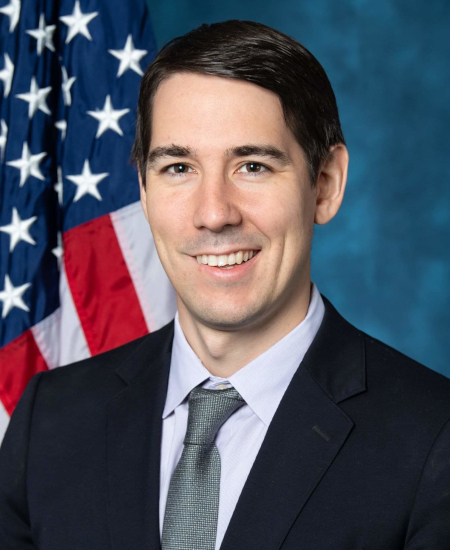
Rep. Josh Harder
Sponsored bills
Maddy summaryHR 4550 creates a federal grant program to help public elementary, secondary, and preschool schools recruit and retain paraprofessionals (school support staff like teaching assistants). The bill directs the Secretary of Education to fund state education agencies, which then distribute subgrants to schools - prioritizing those serving high numbers of low-income students - to support activities like mentoring programs, professional development, and wage increases or certification assistance (e.g., for special education or English learner support). States must report annually on wage baselines, paraprofessional numbers, and program outcomes. This bill directly affects schools and paraprofessionals, with funding authorized for fiscal years 2024-2028.
Maddy summaryThe DISCLOSE Act of 2023 would increase transparency in political spending by requiring organizations making campaign-related disbursements over $10,000 to disclose the names and addresses of their major donors, including the top five funders for political communications. It would close loopholes allowing foreign nationals to secretly fund election activities through corporations or other entities by expanding the definition of prohibited foreign contributions. The bill would mandate "stand by every ad" disclosure requirements for political communications across all media, including audio, video, and internet ads, requiring clear identification of funders. It would also require reporting of disbursements related to Federal judicial nominations, which currently aren't subject to disclosure requirements. These provisions would apply to corporations, labor organizations, and certain nonprofits that engage in political activity.
Maddy summaryThe IDEA Full Funding Act (HR 4519) mandates specific annual increases in federal funding for special education programs under the Individuals with Disabilities Education Act (IDEA). It requires Congress to appropriate increasing amounts each fiscal year - from $5.87 billion for 2024 up to $55.53 billion for 2033 - to reach 40% of the national average per-pupil expenditure for public schools by 2033. This directly affects all public school districts serving students with disabilities, as federal IDEA funding supports their special education services. The bill sets fixed dollar amounts or percentage targets (whichever is greater) for each fiscal year, aiming to gradually close the long-standing gap between promised and actual federal funding. It does not alter eligibility for services but mandates higher, phased funding levels to meet the 40% target.
Future of Agricultural Resiliency And Modernization Act This bill directs the Department of Agriculture (USDA) to award grants to certain entities, including states, local governments, and nonprofit organizations, to carry out projects that further agricultural resiliency and modernization, such as projects that reduce greenhouse gas emissions; improve air, water, and soil health; and increase carbon sequestration. Additionally, USDA must establish a program to award grants to governmental organizations and private entities in the agricultural sector to carry out at least 10 pilot projects; these projects must have the potential to reduce or sequester greenhouse emissions that convert and valorize tree nut harvest by-products and waste into multiple higher value biocarbon products, including sustainable industrial applications, agrochemicals, repurposing process heat, energy, and construction materials.
Maddy summaryThis bill establishes a federal grant program to fund high-impact tutoring in K-12 schools, primarily targeting students in schools with high poverty (Title I schools) and those experiencing significant academic declines since the pandemic. It requires tutoring to meet specific standards: at least 30 minutes per student, three days per week, with a 3:1 student-to-tutor ratio, and alignment with classroom instruction. States receive 80% of funds to award subgrants to local schools, which must submit detailed plans, provide monthly progress reports, and partner with research organizations to evaluate program effectiveness. The program prioritizes schools with the greatest academic need and mandates accountability through annual reviews of student outcomes by state agencies and an independent Advisory Board.
Fair and Equal Housing Act of 2023 This bill prohibits discrimination, in the context of various housing practices, against individuals based on their sexual orientation or gender identity.
National Nursing Shortage Task Force Act of 2023 This bill establishes a National Nursing Shortage Task Force to recommend policies for addressing the nursing shortage in the United States, particularly in designated health professional shortage areas. The task force terminates 90 days after it submits its recommendations.
Maddy summaryHR 4355, the Rural Veterinary Workforce Act, modifies the Internal Revenue Code to exclude certain loan repayment or forgiveness assistance from taxable income. It specifically adds programs under the National Agricultural Research, Extension, and Teaching Policy Act of 1977 and similar state initiatives - designed to boost veterinary services in rural areas - to the list of tax-exempt benefits. This directly affects veterinary students participating in these state or federal programs who work in underserved rural communities. The change takes effect for assistance received in taxable years beginning after December 31, 2023.
Healthcare Equality and Rights for Our Heroes Act or the HERO Act This bill allows claims to be brought against the United States for damages relating to the personal injury or death of a member of the Armed Forces arising out of a negligent or wrongful act or omission in providing medical, dental, or related health care functions at a military medical treatment facility. However, the bill does not apply to care provided at a medical treatment location deployed in an area of armed combat.