

Maddy summaryHR 9602, the Forest Legacy Management Flexibility Act, allows states to authorize qualified conservation organizations to acquire, hold, and manage conservation easements under the Forest Legacy Program. This directly affects states administering the program and conservation groups meeting specific criteria, such as IRS-defined conservation status and Land Trust Accreditation Commission accreditation. Key provisions let states approve these organizations to manage easements, require them to meet program standards, and mandate that easements revert to the state or another approved organization if the organization fails to meet responsibilities or modifies easements improperly. The bill updates the Cooperative Forestry Assistance Act to clarify these processes and accountability measures.
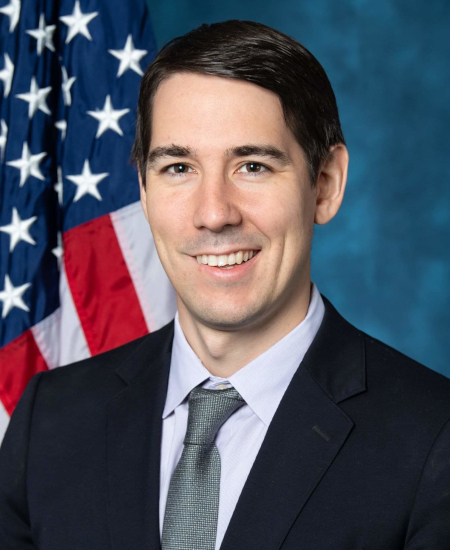
Rep. Josh Harder
Sponsored bills
Maddy summaryHR 9889 provides $14 billion in emergency funding to assist farmers and ranchers recovering from 2023 natural disasters like droughts, wildfires, floods, and hurricanes. It directly affects agricultural producers who suffered crop, livestock, or dairy losses, including $1.5 billion specifically for livestock-related expenses. The bill establishes payment limits (up to 90% of losses for insured producers, 70% for uninsured) and requires beneficiaries to purchase crop insurance or NAP coverage for the next two crop years. Payments cover revenue losses for crops, trees, vines, and livestock relocation costs, with administrative costs capped at 1% of the total appropriation.
Maddy summaryThis bill requires the Transportation Security Administration (TSA) to develop and update guidance within 90 days (and every five years) to prevent contamination of breast milk, baby formula, and related cooling items during airport security screening. The guidance must be created with input from maternal health organizations and ensure hygienic handling during re-screening or additional testing. It also mandates a DHS Inspector General audit within one year to review compliance and assess how screening technologies affect these items' processing. The bill directly affects breastfeeding parents traveling with infants by standardizing secure handling of essential items.
Maddy summaryHR 1719, the Honoring Our Fallen Heroes Act of 2023, establishes a presumption that certain cancers diagnosed in public safety officers (like police and firefighters) are work-related if linked to their duties. It defines 22 specific cancers (including lung, mesothelioma, and WTC-related cancers) as "exposure-related," allowing officers or their families to receive benefits without proving direct work connection, provided they were diagnosed within 15 years of leaving active service. The bill also creates a process for adding new cancers to the list based on scientific evidence, requiring the Bureau to review petitions and make decisions within 180 days. This applies to deaths or disabilities occurring on or after January 1, 2023, directly affecting officers who developed covered cancers during service.
Maddy summaryHR 3433, the "Give Kids a Chance Act of 2024," requires pharmaceutical companies developing certain cancer drugs to conduct pediatric studies if the drugs target molecular pathways relevant to childhood cancers. It directly affects drug manufacturers submitting new applications for cancer treatments, particularly those combining previously approved adult cancer drugs or containing a single new active ingredient. The bill amends FDA regulations to mandate these pediatric investigations only when specific conditions are met, such as when a drug's molecular target is relevant to pediatric cancer growth. The FDA must issue implementing guidance within 12 months, and reports to Congress will track implementation and effectiveness starting 2 years after enactment.
Maddy summaryThis bill prohibits hospitals and transplant centers from denying organ transplants or related services to people with disabilities solely because of their disability. It requires covered entities to make reasonable modifications to policies (like considering a patient's support network for post-transplant care) and provide auxiliary aids (such as communication services or accessible health information). The law specifically prevents discrimination based on disability during evaluation, listing, and treatment, while clarifying that medical decisions must be based on individualized assessments - not disability alone. It applies to all organ transplant processes and allows individuals to file complaints with the Department of Health and Human Services or sue for violations.
Maddy summaryHCONRES 129 designates the week of September 22-28, 2024, as "National Fall Prevention Awareness Week" to raise public awareness about falls among older adults. The resolution cites CDC data showing falls cause approximately 14 million incidents, 3 million emergency visits, and $80 billion in annual medical costs for adults aged 65+. It supports existing evidence-based prevention strategies - such as balance exercises, home safety modifications, and medication management - without creating new legal requirements or funding. The bill focuses on awareness and collaboration among government agencies, healthcare providers, and community organizations to reduce fall risks.
Maddy summaryHR 9704, the Wildfire Risk Evaluation Act, requires the Secretaries of Agriculture, Interior, and Homeland Security to conduct a comprehensive, government-wide review of wildfire management every four years for 20 years. The reviews must analyze how changes in built and natural environments affect wildfire prevention, response, and recovery, and assess wildfire impacts on public health. Agencies must submit detailed reports to Congress outlining challenges, progress toward existing national wildfire strategy goals (like resilient landscapes and fire-adapted communities), and recommendations for future actions. This bill directly affects federal agencies responsible for wildfire management and informs congressional oversight, but does not create new funding or regulations.
Maddy summaryHR 9703, the Cross-Boundary Wildfire Solutions Act, is a procedural bill that requires the U.S. Comptroller General to study how wildfire mitigation work across different land ownerships (federal, state, tribal, private). The study will examine existing federal programs, rules, and funding access for agencies like the USDA Forest Service, FEMA, and state/local governments, and assess improvements needed based on past efforts under the Healthy Forests Restoration Act. The Comptroller General must submit a report with findings and recommendations to Congress within two years of the bill's enactment. This bill itself does not create new funding or regulations but aims to identify barriers and opportunities for better cross-boundary wildfire prevention.
Maddy summaryHR 9702, the Wildfire Coordination Act, establishes a permanent federal advisory board to improve how wildfire research connects with practical firefighting and land management. The board, composed of agency leaders and 18 external experts (including state/Tribal representatives, researchers, and public health specialists), coordinates translating scientific research into on-the-ground tools for firefighters and communities. Key provisions require the board to prioritize research, encourage interdisciplinary collaboration (like public health and predictive modeling), and share findings via online portals and workshops. Funded with $10 million, the board must submit a report to Congress within two years detailing progress, barriers, and future research needs. This bill directly affects federal agencies managing wildfires and aims to streamline research-to-practice workflows without altering existing regulations.