

Maddy summaryHR 4477, the PRICE Act, creates a new federal grant program to improve affordable manufactured housing communities. It provides funds for infrastructure, repairs, safety upgrades, and community services in communities that are affordable to low- and moderate-income residents (at or below 120% of area median income) and either owned by residents or committed to remaining affordable. Eligible projects include replacing homes (excluding pre-1976 units), weatherization, accessibility modifications, and resident services like eviction prevention. The program prioritizes projects that preserve long-term affordability for low-income residents and is open to community groups, local governments, tribes, and nonprofit housing organizations.
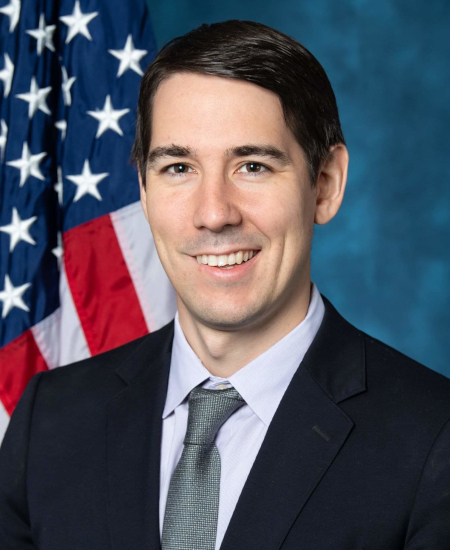
Rep. Josh Harder
Sponsored bills
Maddy summaryThe Stop COYOTES Act (HR 4472) increases penalties for certain crimes involving minors by adding up to 10 years in prison for offenders who commit felonies against children within 1,000 feet of schools, colleges, or youth facilities like playgrounds. It also raises maximum fines for fentanyl-related drug offenses under the Controlled Substances Act and requires federal agencies to share border crime data - including human trafficking, smuggling, and drug trafficking - with state and local law enforcement near U.S. borders. This bill directly affects individuals convicted of these specific offenses and mandates regular reports to Congress on border-related criminal activity.
Maddy summaryHR 4471, the "No More Narcos Act," requires the federal government to create an educational campaign and national strategy targeting minors near the U.S.-Mexico border who are at risk of being recruited by cartels. The bill specifically affects middle and high school students living within 100 miles of the border, focusing on educating them about the dangers of working with transnational criminal organizations involved in drug trafficking and smuggling. Key provisions mandate the Attorney General and Homeland Security to implement an informational campaign and a national strategy to combat cartel recruitment of minors, with funding sourced from the DOJ Assets Forfeiture Fund. The law defines "covered students" as minors in border communities and specifies that the strategy must address activities like drug trafficking, human smuggling, and exploitation.
Maddy summaryThis bill extends the Public Health and Bio-Preparedness Workforce Loan Repayment Program through fiscal years 2026 to 2030, replacing the previous 2023-2025 funding period. It directly affects public health workers (such as epidemiologists, laboratory staff, and emergency response personnel) who have federal student loans. The key provision reauthorizes existing funding to help these workers repay student debt by providing federal reimbursements. This maintains a critical workforce retention tool for agencies like the CDC and state health departments without creating new benefits or altering eligibility. The change is procedural, solely adjusting the program's funding timeline.
Maddy summaryThis bill establishes federal worker heat protection standards to prevent heat-related illness and injury. It requires employers to provide a workplace free from heat stress hazards, including access to cool water, scheduled rest breaks, shaded cooling areas, and training on heat illness symptoms. The Secretary of Labor must create these standards within one year, incorporating evidence-based practices like engineering controls (e.g., ventilation), administrative measures (e.g., adjusted schedules), and employer-paid personal protective equipment. The law directly affects all employers in high-heat work environments - such as construction, agriculture, and manufacturing - and strengthens whistleblower protections for workers reporting safety violations.
Maddy summaryThe Cool Corridors Act of 2025 expands the existing Healthy Streets program to fund tree planting, shade structures, and green infrastructure along transportation corridors - like bus stops, transit hubs, and school zones - to reduce heat exposure. It directly affects communities facing extreme heat and limited tree canopy (especially low-income or historically underserved areas), as well as state/local transit agencies, schools, and environmental groups. Key provisions include requiring projects to prioritize heat-vulnerable regions, mandate annual reporting on temperature reduction and equity outcomes, and ensure tree planting doesn’t obstruct traffic safety. The bill also extends program funding through 2030 and mandates coordination with agencies like the EPA and Forest Service.
Maddy summaryHR 4382 authorizes the U.S. Mint to produce commemorative coins for the 2028 Los Angeles Olympics/Paralympics and 2034 Salt Lake City Winter Olympics/Paralympics. It specifies gold, silver, and half-dollar coin designs with defined mintage limits (e.g., up to 100,000 $5 gold coins for each event), all bearing inscriptions like "2028" or "2034" and standard coin features. A surcharge ($5-$50 per coin) is added to sales, with all funds directed to the respective Olympic committees to support event hosting and legacy programs like youth sports. The bill ensures no net cost to the government by requiring surcharge revenues to cover all design, production, and marketing expenses before funds are disbursed.
Maddy summaryHR 4354 establishes the Agricultural Emergency Relief Act of 2025, creating a new program to provide payments to farmers who suffer crop losses due to specific disasters like droughts, wildfires, floods, or extreme weather. Farmers must apply for payments by documenting "qualified losses" (such as prevented planting, crop quality damage, or wildfire smoke exposure) and agree to purchase Federal Crop Insurance or Noninsured Crop Disaster Assistance coverage for the next two crop years. Payments are calculated based on either past insurance data or farm revenue, with limits set at $125,000-$900,000 per farmer depending on their average farm income level, and capped at 70-90% of documented losses. The program requires the Secretary of Agriculture to administer both insurance-based and revenue-based payment calculations simultaneously during each crop year. This relief applies to eligible producers (excluding joint ventures or general partnerships) who experienced qualifying disasters during the crop year.
Maddy summaryThe PBM Reform Act of 2025 aims to increase transparency and fairness in pharmacy benefit manager (PBM) operations within Medicare Part D and Medicaid programs. The bill requires Medicare Part D plans to allow any pharmacy meeting standard terms to join their networks, establishes "essential retail pharmacies" in underserved areas (with limited pharmacy access), and mandates detailed reporting on drug pricing, rebates, and reimbursement rates. It creates a process for pharmacies to report PBM violations of reasonable contract terms and prohibits "spread pricing" in Medicaid, where PBMs retain the difference between what they pay pharmacies and what they charge plans. These provisions aim to improve pharmacy access for Medicare beneficiaries and ensure fairer reimbursement practices for pharmacies.
Maddy summaryThe Expanding Access to Mental Health Services in Schools Act of 2025 creates a federal grant program to help high-need schools hire and retain mental health professionals like counselors, psychologists, and social workers. It targets schools in the top 15% of need (based on student poverty or counts) that lack required staff ratios, such as one counselor per 250 students. Grants fund recruitment incentives (e.g., student loan repayment), retention programs, and evidence-based mental health services, with recipients required to contribute 25% of costs from non-federal funds. Schools must report annually on staff numbers, student-to-staff ratios, and retention rates to track progress toward improved mental health access.