

Maddy summaryHRES 303 is a symbolic House resolution designating April 2023 as "Care Worker Recognition Month" to honor care workers in the U.S. It specifically recognizes home care workers supporting older adults and people with disabilities, childcare workers, and early educators. The resolution highlights how these workers enable families to remain in the workforce and emphasizes the importance of their roles in community care. This is a non-binding expression of support with no new policy or funding changes.
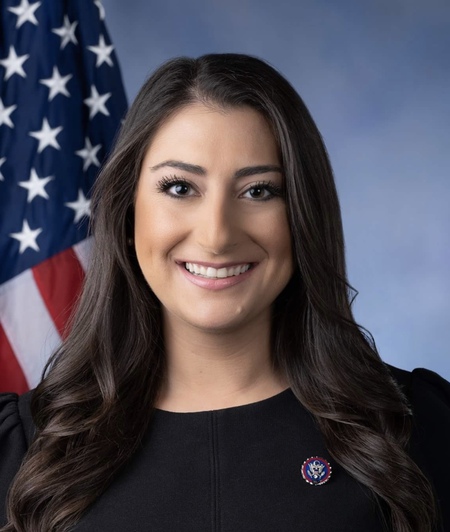
Rep. Sara Jacobs
Sponsored bills
Maddy summaryThe Ending PUSHOUT Act of 2023 aims to reduce discriminatory school discipline practices that disproportionately push students of color, particularly girls of color, out of school. It requires schools to collect detailed data on disciplinary actions disaggregated by race, ethnicity, gender identity, disability status, and other factors to identify patterns of overuse and discrimination. The bill provides grants to schools to implement trauma-informed practices, restorative approaches, and mental health supports instead of exclusionary discipline, while prohibiting out-of-school suspensions for minor infractions in early grades and banning practices like corporal punishment and certain restraints. It also establishes a joint task force with diverse representation to study discipline disparities and recommend solutions to prevent students from being pushed out of schools. The legislation seeks to create safer school environments by addressing the root causes of discipline issues rather than relying on punitive measures.
Maddy summaryHR 2682, the Veterans Medical Marijuana Safe Harbor Act, creates a federal exemption allowing veterans to use, possess, or transport state-legal medical marijuana without facing federal penalties. It specifically protects veterans in states or tribal lands where medical marijuana is permitted, and permits VA physicians to discuss or recommend it as a treatment for pain or conditions like PTSD. The bill mandates the VA to conduct research on medical marijuana's effects for veterans within 180 days and study veterans' access to state programs within two years. This exemption expires automatically five years after the bill’s enactment.
Maddy summaryThe Fairness to Freedom Act of 2023 guarantees the right to government-funded legal counsel for immigrants facing removal, exclusion, deportation, or bond proceedings who cannot afford private representation. It establishes the Office of Immigration Representation to oversee this system, with Local Boards in each region managing appointments and ensuring quality representation through public defender organizations, community defender organizations, and attorney panels. The bill requires counsel to be appointed within 24 hours for detained individuals, ensures continuous representation through all proceedings, mandates minimum funding based on a prosecution-defense ratio, and prohibits using appointed counsel as a basis for public charge determinations.
Maddy summaryThis bill allows the Department of Veterans Affairs (VA) to use existing funds more flexibly to assist homeless veterans and veterans in HUD housing programs. It authorizes the VA to provide immediate needs like food, shelter, transportation for appointments, and communication devices (e.g., phones, tablets) to support veterans' stability and health. The law expands how VA funds can be applied beyond traditional housing assistance, focusing on urgent, practical support. It directly affects homeless veterans and those in HUD's housing assistance program by enabling faster, more adaptable aid. The bill amends existing VA law to improve responsiveness to veterans' immediate survival and health needs.
Maddy summaryThis resolution (HRES 281) supports National Youth HIV/AIDS Awareness Day (observed April 10) and calls for actions to address HIV disparities affecting young people. It directly affects youth aged 13-24, particularly African-American youth and young gay/bisexual men, who face higher HIV diagnoses and barriers to care. Key provisions include encouraging state/local governments to recognize the day, promoting inclusive sex education with medically accurate HIV prevention info (like PrEP), supporting youth-friendly healthcare access without parental consent, and urging funding for programs like the Ryan White HIV/AIDS Program. The resolution does not create new laws or allocate funds but advocates for policy changes to reduce stigma, improve access to care, and align with existing federal HIV strategies.
Freedom to Decide Act This concurrent resolution expresses the sense of Congress to (1) affirm that federal law authorizes the distribution of medication abortion, including by mail, as stated in a 2022 Department of Justice memorandum; and (2) condemn restrictions on the access and coverage of reproductive health care, including medication abortion.
Air Traffic Noise and Pollution Expert Consensus Act of 2023 This bill requires the Federal Aviation Administration to enter into an arrangement with the National Academies of Sciences, Engineering, and Medicine to examine and report on the various health impacts of air traffic noise and pollution.
This resolution expresses the House of Representative's resolve to take effective action on climate change to protect the mental health and well-being of current and future youth. It also supports the expansion of funding for climate education, resilience, and climate adaptation projects that benefit their mental health and well-being.
Resident Physician Shortage Reduction Act of 2023 This bill increases the number of residency positions eligible for graduate medical education payments under Medicare for qualifying hospitals, including hospitals in rural areas and health professional shortage areas. Current law provides for an increase of up to 200 positions per fiscal year beginning in FY2023, with a total increase of 1,000 positions; each hospital may receive up to 25 additional positions. Current law also provides for an additional increase of up to 200 positions for FY2026, with at least 100 of these positions for psychiatry or related specialties; each hospital may receive up to 10 additional positions. The bill provides for an additional increase of 2,000 positions per fiscal year from FY2025-FY2031; during this period, each hospital may receive up to 75 additional positions in total under the bill and current law. Additionally, one-third of the positions that are made available under the bill must be allocated to hospitals that are already operating above applicable resident limits. The bill also requires the Government Accountability Office to report on strategies to increase the diversity of the health professional workforce, including with respect to representation from rural, low-income, and minority communities.