

Maddy summaryHR 5112, the Civilian Harm Review and Reassessment Act, requires the Secretary of Defense to review and reinvestigate civilian harm allegations from U.S. military operations between 2011 and 2023 that were likely dismissed due to investigation errors or incomplete information. The bill mandates the Department of Defense to establish review procedures within 180 days of enactment, consult with civilian harm-focused NGOs, and submit a detailed report to Congress within one year. This report must detail errors found, revised credibility assessments, any financial compensation offered, and steps to prevent future errors. The law directly affects military operations conducted during this period and aims to address past dismissals of civilian harm claims through systematic review.
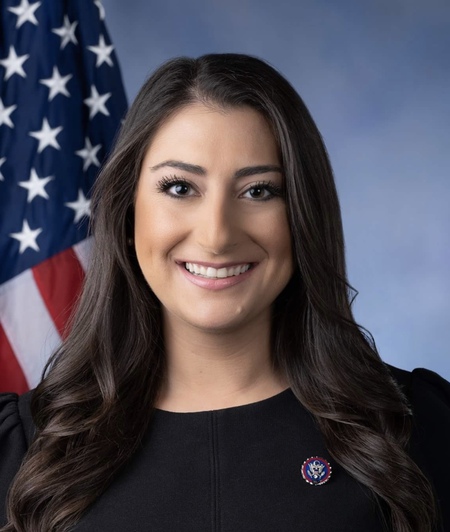
Rep. Sara Jacobs
Sponsored bills
Maddy summaryHR 5121, the Healthy Servicemembers Act, requires the Secretary of Defense to screen military service members and their families for health conditions linked to unsafe housing, creating a registry to track these cases. It defines "unsafe housing" as dwellings failing federal housing quality standards or containing dangerous mold levels, and mandates the registry to document health connections to such housing. The bill also directs the creation of a public campaign to inform eligible individuals about the registry and its benefits. This directly affects active-duty service members, veterans, and their families who resided in qualifying unsafe housing units.
Maddy summary# Summary of the "Protecting Our Democracy Act" This comprehensive legislation aims to strengthen democratic processes, increase government transparency, and prevent foreign interference in elections. Key provisions include: ## Ethics and Transparency - **Ethics Pledge**: Requires all appointees to sign an ethics pledge committing to: - Ban on gifts from registered lobbyists - 2-year revolving door ban (prohibiting participation in matters related to former employers) - Golden parachute ban (no special payments from former employers) - Commitment to decision-making based on public interest - **Tax Transparency**: Requires presidential and vice presidential candidates to disclose 10 years of tax returns, with sitting presidents submitting returns within 30 days of enactment ## Campaign Finance and Foreign Interference - **Foreign Contact Reporting**: Requires political committees to report any contact with "covered foreign nationals" within 1 week - **Enhanced Penalties**: Criminal penalties of up to $1 million and 5 years in prison for violations - **Online Advertising Rules** ("Honest Ads Act"): - Requires clear disclosure of who paid for political ads online - Mandates machine-readable public databases of political ads - Requires visible sponsor identification that remains when ads are shared - Defines "qualified political advertisements" to include various online formats ## Preventing Patronage Systems - Limits exceptions to competitive service for federal positions - Restricts transferring positions between competitive and excepted service - Requires employee consent for position transfers ## Use of Federal Property - Prohibits holding national political conventions on federal property - Requires publicly available visitor records at White House and other official locations (with privacy exceptions) The legislation establishes detailed definitions, reporting requirements, and enforcement mechanisms across multiple agencies, with the goal of increasing transparency, preventing foreign interference, and ensuring ethical conduct in government service.
Maddy summaryHR 5010, the "Recognizing Gun Violence as a Public Health Emergency Act," requires the Secretary of Health and Human Services and CDC to produce annual reports on gun violence impacts. These reports must include detailed data broken down by age, race, location, and incident type (like homicide, suicide, or unintentional shootings), as well as information on community prevention programs and research funding. The bill directly affects federal agencies (HHS and CDC) by mandating this data collection, and indirectly affects communities by creating a standardized public health data source on gun violence. It does not change existing laws or fund new programs but aims to inform future prevention efforts through comprehensive reporting. The reports must supplement, not replace, existing federal health research.
Maddy summaryThis bill requires phone calls, texts, and chats to 9-8-8 (the national suicide prevention and mental health crisis hotline) to be routed to the nearest participating crisis center within 90 days of enactment, while protecting caller privacy by not revealing precise location. It mandates all phone carriers to transmit every 9-8-8 call or text - including those from prepaid or non-initialized handsets - and updates phone systems to allow direct 9-8-8 dialing without extra steps. The law affects crisis centers (by directing calls to their area), callers (through improved routing and privacy), and phone carriers (by requiring transmission compliance). These changes aim to make the 9-8-8 system more efficient and accessible for those seeking mental health support.
Maddy summaryThis bill amends the Food and Nutrition Act to prevent fees on SNAP (Supplemental Nutrition Assistance Program) electronic benefit transactions. It requires state agencies managing SNAP to update EBT (Electronic Benefit Transfer) systems to meet modern security standards and review technology contracts regularly. States must cover costs for these changes, with new funding provided for implementing the updated requirements. The changes take effect October 1, 2023, directly affecting state agencies that administer SNAP benefits.
Maddy summaryThis bill prohibits federal involvement in commercial greyhound racing, live lure training, and open field coursing by banning interstate activities related to these practices. It makes it unlawful to conduct betting on greyhound races (including remote gambling), use live animals as bait, or transport animals for these purposes. The law specifically targets the declining greyhound racing industry (now operating at only two tracks in West Virginia), banning federal facilitation of betting, live bait use, and interstate transport of animals for racing or training. It does not affect horse racing or state laws already prohibiting these activities in most states.
This concurrent resolution opposes actions that undermine Israel's future as a Jewish, democratic state. The resolution expresses that democracy is at the core of the special relationship between the United States and Israel, and that Congress stands with all Israelis seeking to defend liberal democracy, judicial review, and independent political institutions.
Maddy summaryHR 4987, the Democracy Restoration Act of 2023, would restore voting rights for people with felony convictions who are living in their communities (not incarcerated), directly affecting approximately 4.6 million disenfranchised Americans. The bill requires states to automatically restore voting rights upon completion of sentences, including probation or parole, without requiring payment of fines or fees. It mandates notification to individuals about their restored voting rights and prohibits states from conditioning voting rights on payment of legal financial obligations. The legislation addresses the disproportionate impact of voting restrictions on racial minorities, particularly Black and Latino communities, who face significantly higher rates of disenfranchisement. This bill would apply to all federal elections held on or after its enactment date.
Maddy summaryHR 4963, the Tax Fairness for Workers Act, would restore tax deductions for certain employee expenses. It creates an above-the-line deduction for union dues and expenses paid by wage-earning employees, and allows miscellaneous itemized deductions for other work-related expenses (like uniforms or supplies) that were previously disallowed after 2017 tax law changes. These provisions directly affect employees who pay union dues or incur qualifying job-related costs. The bill amends specific sections of the Internal Revenue Code to make these deductions available for taxable years beginning after December 31, 2022. It does not change tax rates or provide new benefits, only reinstating previously eliminated deductions for eligible workers.