

Maddy summaryHRES 1346 is a non-binding congressional resolution supporting the designation of September 11-17, 2022, as "Celebrate Community Week." It recognizes the community service efforts of Lions Clubs International, Rotary International, Kiwanis International, and Optimist International, highlighting their global volunteer projects focused on youth development, health, education, and local needs. The resolution encourages these organizations to continue promoting community service and volunteerism, particularly for young people. It does not create new laws or funding but formally expresses congressional backing for their initiatives.
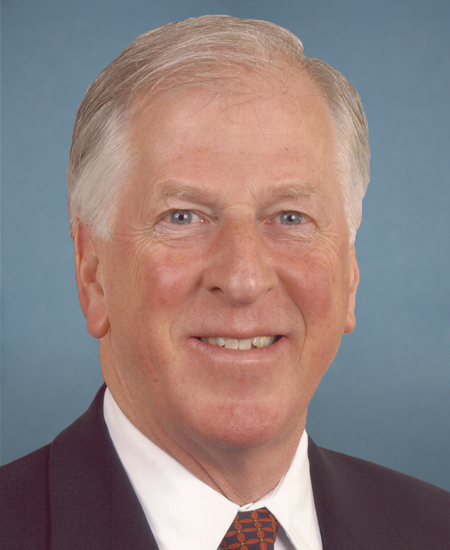
Rep. Mike Thompson
Sponsored bills
Medicare Enrollment Protection Act of 2022 This bill provides for a special enrollment period for Medicare medical benefits for individuals who are enrolled in COBRA continuation coverage at the time they qualify for Medicare. The special enrollment period applies during each month of COBRA coverage and the three-month period after coverage ends; individuals may enroll during the special enrollment period once during their lifetime.
Public Safety Officer Support Act of 2022 This act extends death and disability benefits under the Public Safety Officers' Benefits (PSOB) program to certain public safety officers and survivors of public safety officers who suffer or suffered from post-traumatic stress disorder, acute stress disorder, or trauma and stress-related disorders following an exposure to one or more traumatic events while on duty. The PSOB program provides death, disability, and education benefits to public safety officers and survivors of public safety officers who die or become disabled as a direct and proximate result of a personal injury in the line of duty. The act specifies that post-traumatic stress disorder, acute stress disorder, or trauma and stress-related disorders suffered by a public safety officer following an exposure to a traumatic event while on duty constitutes a personal injury in the line of duty if exposure to the traumatic event was a substantial factor in the disorder. Further, for the purposes of death and disability benefits, the act creates a presumption that an officer's death or permanent disability was directly caused by a personal injury in the line of duty if the officer took an action intended to bring about his or her death and exposure to a traumatic event was a substantial factor in that action or that action occurred within 45 days of an exposure and was consistent with a psychiatric disorder. Finally, the act requires the Government Accountability Office to report on the details of benefits issued pursuant to this act, including recommendations to improve the PSOB program.
Save Our Sequoias Act This bill provides for the conservation of giant sequoia trees ( Sequoiadendron giganteum ) in California, including by providing statutory authority for the Giant Sequoia Lands Coalition; directing the coalition to submit a Giant Sequoia Health and Resiliency Assessment; declaring an emergency on certain public lands and allowing officials to carry out protection plans during the emergency to respond to the threat of wildfires, insects, and drought; directing the Department of the Interior to develop and implement a Giant Sequoia Reforestation and Rehabilitation Strategy; and establishing a variety of programs and funds to support the conservation of giant sequoias.
Harriet Tubman Bicentennial Commemorative Coin Act This bill directs the Department of the Treasury to mint and issue 50,000 $5 gold coins, 400,000 $1 silver coins, and 750,000 half-dollar clad coins emblematic of the legacy of Harriet Tubman as an abolitionist. The Secretary may issue coins under this bill only during the period of January 1, 2024, through December 31, 2024. All surcharges received by Treasury from the sale of such coins must be paid equally to the National Underground Railroad Freedom Center in Cincinnati, Ohio, and The Harriet Tubman Home, Inc. in Auburn, New York, for the purpose of accomplishing and advancing their missions.
National World War II Memorial Commemorative Coin Act This bill directs the Department of the Treasury to mint and issue up to 50,000 $5 coins, 400,000 $1 silver coins, and 750,000 half-dollar clad coins in commemoration of the National World War II Memorial in the District of Columbia. The design of the coins shall be emblematic of the memorial and the service and sacrifice of American soldiers and civilians during World War II. All surcharges received from the sale of such coins shall be paid to the Friends of the National World War II Memorial to support the National Park Service in maintaining and repairing the memorial, and for educational and commemorative programs.
VA Loan Informed Disclosure Act of 2022 or the VALID Act of 2022 The bill requires a Federal Housing Administration mortgage notice to a veteran to contain comparative rate and fee information about loans available under the Veterans Affairs home loan program.
Summer Meals Act of 2021 This bill revises provisions related to the Summer Food Service Program (SFSP) of the Department of Agriculture (USDA), which provides meals to children and teens in low-income areas during the summer months when school is not in session. The bill redefines areas in which poor economic conditions exist , where the SFSP may operate, as areas in which at least 40% (currently, 50%) of the children have been determined to be eligible for free or reduced price school meals under the school lunch and breakfast programs. The bill reimburses service institutions (other than school food authorities) for up to one meal and one snack per child each day during after-school hours, weekends, and school holidays during the regular school calendar. Currently, such institutions are reimbursed for meals and snacks served to children over the summer months or to children who are on vacation under a continuous school calendar. USDA may award competitive grants to service institutions to increase participation in the summer food service program for children at congregate feeding sites through innovative approaches to limited transportation and mobile meal trucks. Service institutions that are participating in the summer food service program for children may serve up to three meals, or two meals and one snack, during each day of operation. Currently, this option is reserved for camps and service institutions that serve meals primarily to migrant children.
Susan Muffley Act of 2022 This bill restores the full vested monthly benefits for eligible participants of certain pension plans that were sponsored by Delphi Corporation and terminated as a result of General Motors' bankruptcy in 2009. The Pension Benefit Guaranty Corporation (PBGC) must recalculate and adjust each plan participant's monthly benefits payment. The PBGC must also apply the recalculation to previously-made monthly payments and make a lump-sum payment for any additional benefits based on the recalculation. The bill establishes and provides appropriations to a fund for the payment of these benefits and specifies how the lump-sum payments are treated for tax purposes. Finally, the bill requires the PBGC to report on recommendations to ensure the long-term solvency of its insurance programs.
Advancing Telehealth Beyond COVID-19 Act of 2022 This bill modifies the extension of certain Medicare telehealth flexibilities after the end of the COVID-19 public health emergency. Specifically, the bill provides that certain flexibilities continue to apply until December 31, 2024, if the emergency period ends before that date. The bill allows beneficiaries to continue to receive telehealth services at any site, regardless of type or location (e.g., the beneficiary's home); occupational therapists, physical therapists, speech-language pathologists, and audiologists to continue to furnish telehealth services; federally qualified health centers and rural health clinics to continue to serve as the distant site (i.e., the location of the health care practitioner); evaluation and management and behavioral health services to continue to be provided via audio-only technology; and hospice physicians and nurse practitioners to continue to complete certain requirements relating to patient recertifications via telehealth. The bill also delays implementation of certain in-person evaluation requirements for mental health telehealth services until January 1, 2025, or the first day after the end of the emergency period, whichever is later.