

Maddy summaryThis bill amends the Conservation Reserve Program to specifically support wetland habitat conservation on working agricultural lands within the Pacific Flyway. It allows the Secretary to enroll non-eligible farmland critical for habitat goals, permits seasonally flooded cropland uses with conservation practices, and adjusts rental payments to match regional wetland maintenance costs. The key change directly affects farmers and landowners who manage cropland used by wetland-dependent species, enabling them to maintain habitat while continuing agricultural operations. The bill waives matching payment requirements for these habitat-focused agreements, making participation more accessible under existing conservation programs.
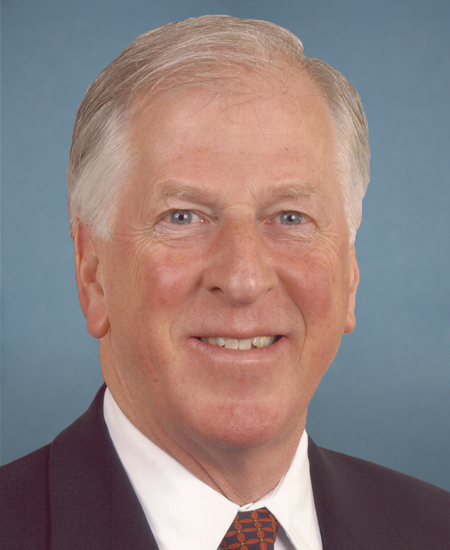
Rep. Mike Thompson
Sponsored bills
Maddy summaryHR 10090, the "Keeping Guns from High-Risk Individuals Act," expands existing federal firearm prohibitions. It bars individuals convicted of a crime of violence (as defined in Section 16 of Title 18) within the last five years, or convicted of stalking, from purchasing or possessing firearms. This directly affects people with these specific recent convictions, adding them to the list of those prohibited under Section 922(d) (sales) and Section 922(g) (possession) of the U.S. Code. The bill makes concrete policy changes by broadening the categories of individuals barred from gun access based on certain criminal histories.
Maddy summaryHRES 1555 is a symbolic House resolution condemning the spread of false claims and malicious rumors about disaster response efforts, which have led to credible threats against FEMA personnel and disrupted aid for survivors. It specifically references incidents after Hurricanes Helene and Milton, including a pause in North Carolina door-to-door assistance due to safety threats and antisemitic targeting of officials. The resolution formally condemns those spreading disinformation for political gain and commits Congress to supporting FEMA’s efforts to combat misinformation and promote accurate recovery information. As a non-binding resolution, it does not create new laws but expresses congressional support for protecting disaster response workers and ensuring survivors receive timely aid.
Maddy summaryThe Victims of Agent Orange Relief Act of 2024 would provide medical care, environmental remediation, and support services for people affected by Agent Orange exposure during the Vietnam War. The bill directly affects Vietnamese residents exposed to Agent Orange (including those living near contaminated areas), their children and descendants, Vietnamese Americans, and American veterans' families, particularly expanding VA benefits to cover birth defects for children of male veterans (previously limited to children of female veterans). Key provisions include creating new USAID programs for medical care, housing repairs, and environmental cleanup at Agent Orange hotspots, requiring health assessments for Vietnamese Americans, and mandating research into intergenerational effects. The bill sets implementation deadlines for federal agencies (180 days for plans, 18 months for full implementation) and expands VA benefits to address gaps in current support. This legislation aims to address longstanding gaps in assistance for victims across Vietnam, Laos, Cambodia, and the United States affected by Agent Orange exposure.
Maddy summaryThe VA Employee Fairness Act of 2024 modifies collective bargaining rules for employees of the Veterans Health Administration (VHA). It removes existing subsections (b), (c), and (d) from the law governing VHA employee bargaining and renumbers the remaining provision. This change streamlines the collective bargaining framework but does not alter the Secretary of Veterans Affairs' existing authorities over incentive pay and expedited hiring. The bill directly affects VHA employees by changing how their collective bargaining rights are structured under federal law. The law remains neutral, focusing solely on procedural adjustments to the existing bargaining framework.
Maddy summaryThe Migratory Bird Protection Act of 2024 establishes a new permitting system for industries (like energy, construction, and telecommunications) that accidentally harm migratory birds during routine operations, requiring them to obtain authorization before such harm occurs. It authorizes the Secretary of the Interior to impose civil penalties of up to $10,000 per violation for unpermitted harm, with higher penalties for reckless conduct, and creates a Migratory Bird Recovery Fund funded by permit fees and $10 million annually to support conservation efforts and administrative costs. The bill also mandates a research program to monitor bird populations and requires the Secretary to submit five-year reports to Congress on conservation progress and program impacts.
Maddy summaryHRES 1538 is a symbolic resolution supporting the designation of the week beginning October 13, 2024, as "National Wildlife Refuge Week." It does not create new laws or funding but formally recognizes the National Wildlife Refuge System’s role in conserving habitats, supporting biodiversity (including 380+ threatened species), and boosting local economies through recreation (e.g., 68 million annual visits generating $3.2 billion). The resolution encourages public events to highlight the system’s benefits, such as protecting waterfowl habitat, engaging diverse communities through urban refuges, and honoring Tribal partnerships. It directly affects the public, local economies, and the U.S. Fish and Wildlife Service’s conservation efforts, though it has no binding policy impact.
Maddy summaryThis resolution (HRES 1534) is a symbolic recognition of Outdoor Afro's 15th anniversary, commemorating its founding in 2009. It honors the organization's work connecting Black Americans with nature through activities like hiking, camping, and water safety programs (including its "Making Waves" initiative), though the resolution itself creates no new policies or funding. The House formally supports this milestone and commends Outdoor Afro's role in expanding access to outdoor recreation and reshaping representation in conservation.
Maddy summaryHR 9878, the No Shame at School Act of 2024, requires schools to automatically certify students from households with unpaid meal fees for free or reduced-price meals (instead of allowing discretion), and mandates retroactive reimbursement for past unpaid meals. It directly affects school districts and students in households owing meal fees by prohibiting stigmatizing practices like special tokens, public lists of names, or withholding grades due to unpaid fees. Key provisions ban schools from physically segregating students, using debt collectors, or taking food away from students who owe fees, while requiring clear communication to households about meal applications. The bill defines "covered child" as any student enrolled in a participating school meal program whose household owes fees or is eligible for free/reduced meals.
Maddy summaryHR 9889 provides $14 billion in emergency funding to assist farmers and ranchers recovering from 2023 natural disasters like droughts, wildfires, floods, and hurricanes. It directly affects agricultural producers who suffered crop, livestock, or dairy losses, including $1.5 billion specifically for livestock-related expenses. The bill establishes payment limits (up to 90% of losses for insured producers, 70% for uninsured) and requires beneficiaries to purchase crop insurance or NAP coverage for the next two crop years. Payments cover revenue losses for crops, trees, vines, and livestock relocation costs, with administrative costs capped at 1% of the total appropriation.