

Maddy summaryThe Save Our Sequoias Act establishes a coordinated approach to protect giant sequoia groves in California from wildfires, insects, and drought. It creates a Giant Sequoia Lands Coalition including federal agencies, state governments, and the Tule River Indian Tribe to assess grove health, develop protection projects, and recommend forest management activities. The bill streamlines implementation of certain projects through categorical exclusion from environmental reviews, authorizes $10-40 million annually for conservation efforts, and establishes a fund for philanthropic support of sequoia protection.
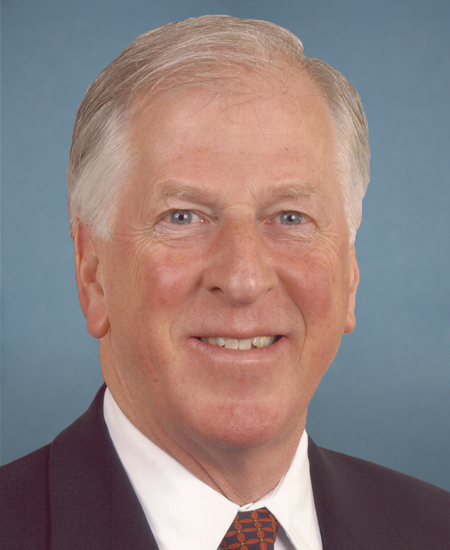
Rep. Mike Thompson
Sponsored bills
Maddy summaryThis bill requires Medicare Advantage plans to implement electronic prior authorization systems by 2027 and publish detailed data on their approval and denial rates for medical services by 2026. It directly affects Medicare Advantage plans (private insurers offering Medicare coverage) and their enrollees (seniors 65+), mandating transparency about prior authorization decisions, processing times, and appeal outcomes. Key provisions include requiring plans to report annual statistics on request approvals/denials, average processing times, and use of technology, with this data published publicly by the Centers for Medicare & Medicaid Services. The bill also sets timelines for plan responses to prior authorization requests and mandates reports to Congress on implementation and impacts.
Maddy summaryThe Essential Caregivers Act of 2024 requires nursing homes and similar facilities to allow residents to designate essential caregivers who provide emotional support or assistance with daily activities. During emergencies when regular visitation is restricted, facilities must permit at least one essential caregiver access to residents daily and cannot deny access without following specific procedures. Facilities may deny access for a maximum of 7 days during emergencies (or 14 days with state approval), and must provide a written explanation and appeal process if access is denied. The bill establishes a 48-hour appeal process for residents and caregivers to challenge denials, with facilities required to prove violations during appeals. This law applies to Medicare skilled nursing facilities, Medicaid nursing facilities, intermediate care facilities, and certain inpatient rehabilitation facilities.
Maddy summaryThis bill creates a special enrollment period for people with COBRA health coverage who become eligible for Medicare Part B. It allows them to enroll in Medicare during the time they're on COBRA plus a 3-month grace period afterward, but only once in their lifetime. The bill also prevents COBRA coverage from reducing or ending benefits just because someone is eligible for Medicare but hasn't enrolled yet. It affects individuals transitioning from employer-sponsored COBRA plans to Medicare, particularly those turning 65 or becoming Medicare-eligible. The changes take effect for COBRA coverage beginning January 1, 2025.
Maddy summaryThis bill amends Medicare rules to allow more healthcare providers to offer telehealth services to Medicare patients. It expands the list of eligible practitioners under the Social Security Act, enabling additional types of providers (such as nurse practitioners or physician assistants) to deliver care remotely. This directly affects Medicare beneficiaries by increasing access to telehealth options and healthcare providers who gain new service capabilities. The change modifies specific Medicare regulations to include these expanded provider types in telehealth coverage.
Maddy summaryThe HEAR Act of 2024 would require Medicare to cover hearing rehabilitation services and hearing aids for eligible beneficiaries. It defines hearing rehabilitation to include assessments, counseling, and fitting of hearing aids, while defining hearing aids as FDA-approved devices (excluding over-the-counter options). Coverage applies to Medicare beneficiaries with hearing loss who have not received hearing aids in the past three years and whose hearing has deteriorated, as confirmed by a comprehensive assessment. The bill amends Medicare to include these services as standard benefits, removing prior exclusions that previously limited coverage. This policy change directly affects older adults and people with disabilities who rely on Medicare for hearing care.
Maddy summaryThis bill clarifies how Medicare interacts with workers' compensation settlements for work-related injuries. It requires that workers' compensation settlements including a "Medicare set-aside" (a payment covering future Medicare-eligible medical care) must satisfy Medicare's secondary payer rules. The set-aside amount must account for factors like the injury type, claimant's life expectancy, and future medical needs, calculated using workers' comp fee schedules. Settling parties can optionally seek Medicare's approval for the set-aside amount before finalizing agreements. The rule applies to settlements effective January 1, 2025, or later, directly affecting injured workers with Medicare and their workers' compensation payers.
Maddy summaryThis bill expands eligibility for certain tax-advantaged health accounts to cover medical expenses for parents. It amends the tax code to allow individuals to use funds from Health Savings Accounts (HSAs), Flexible Spending Accounts (FSAs), and Health Reimbursement Arrangements (HRAs) for qualified medical care of their parents or their spouse's parents - previously limited to immediate family members. The changes apply to expenses incurred after December 31, 2023, directly benefiting adult caregivers (like children supporting elderly parents) who use these accounts for parental healthcare costs. The bill makes no new funding commitments but adjusts existing account rules to reduce out-of-pocket costs for caregivers.
Maddy summaryHR 6790 establishes National Institutes of Health centers to advance research, early detection, and public awareness of rare kidney diseases, with a focus on rural and underserved communities. It mandates a federal study on genetic testing barriers, treatment patterns, and public awareness for rare kidney diseases affecting disproportionately impacted populations, including barriers to insurance coverage and access to specialists. The bill also funds nephrology training programs to increase specialists serving these communities and requires experiments to delay or prevent the need for dialysis and transplants. Total funding of $7 million is authorized for fiscal years 2024-2028 to support these research, education, and early intervention efforts.
Maddy summaryHR 6417 amends the existing "Ending Importation of Russian Oil Act" to ban imports of energy products (classified under Harmonized Tariff Schedule chapter 27) produced at any refinery using crude oil originating in Russia. This directly affects U.S. importers and companies bringing in such refined petroleum products. The key provision prohibits these imports regardless of where the refinery is located, targeting oil that has been "laundered" through foreign processing. The bill updates the existing law by adding this origin-based import ban as a new section.