

Maddy summaryThis bill delays two Medicare billing deadlines for ground ambulance services from 2025 to 2028. It amends the Social Security Act to extend the timeline for implementing specific billing rules under Section 1834(l). The change directly affects Medicare ambulance providers by postponing compliance deadlines for billing requirements. No new services or funding are created - only a technical extension of existing timelines.
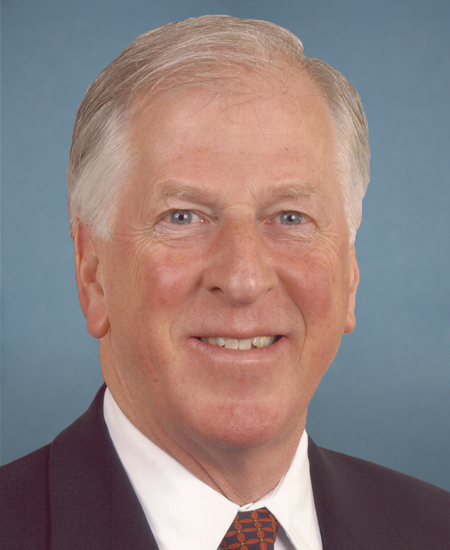
Rep. Mike Thompson
Sponsored bills
Maddy summaryThe Air America Act of 2025 authorizes one-time payments of $40,000 to individuals who worked for Air America or its affiliated companies for at least five years during 1950-1976, or to their surviving spouses, children, or dependents. Additional payments of $8,000 per full year beyond five years are allowed. The program is capped at $60 million total funding, with claims required within two years of final regulations. Payments are a single lump sum with no ongoing benefits, and the bill explicitly states it does not create new entitlements beyond this one-time award.
Maddy summaryThis bill amends the tax code to permanently establish a 7-year depreciation period for motorsports entertainment complexes, replacing a temporary provision. It directly affects businesses operating these facilities by allowing them to deduct the cost of qualifying assets over seven years instead of a shorter period. The key change is removing a temporary rule (subparagraph D) from the tax code, making the longer recovery period permanent for these specific properties. The bill focuses solely on clarifying and extending this tax treatment without additional policy changes.
Maddy summaryHRES 216 is a resolution condemning the leadership of the House Republican Conference for allowing a social media post that falsely questioned the immigration status and patriotism of Congressman Adriano Espaillat (Chairman of the Congressional Hispanic Caucus). The resolution specifically names House Speaker Mike Johnson, Majority Leader Steve Scalise, Majority Whip Tom Emmer, and other top Republican leaders as responsible for the post. It characterizes the post as xenophobic and inappropriate, stating such rhetoric violates the standards of conduct expected of members of Congress.
Maddy summaryHR 2085 creates a 25% tax credit for businesses and tax-exempt entities (like hospitals or nonprofits) conducting translational research on neurodegenerative diseases and psychiatric conditions. The credit covers 25% of qualifying research expenses, with annual funding limits of $1 billion in 2026, $2 billion annually from 2027-2030, and $1 billion in 2031. Funds are allocated based on scientific merit, requiring projects to cover all research phases, prioritize new therapies for mental/neurological disorders, and encourage public-private partnerships. The credit expires after 2035 and cannot be used to offset deductions for the same expenses.
Maddy summaryHR 2029, the "Stop Comstock Act," amends federal obscenity laws to remove outdated restrictions on abortion and contraception. It deletes references to "indecent" materials and abortion-related language from Title 18 (e.g., removing "or means for procuring abortion" from section 552 and revising definitions in sections 1461 and 1462). The bill clarifies that federal law does not prohibit the distribution of materials related to abortion or contraceptives, updating how "obscene" is defined. These changes directly affect federal enforcement of obscenity laws, particularly regarding medical information and devices. The bill focuses on modernizing statutory language to align with current legal standards for protected speech and healthcare access.
Metastatic Breast Cancer Access to Care Act This bill expedites payment of Social Security Disability Insurance (SSDI) benefits and eligibility for Medicare coverage for those with metastatic breast cancer (i.e., breast cancer that has spread to other sites in the body). Specifically, the bill eliminates the 5-month waiting period for SSDI benefits and the subsequent 24-month waiting period for Medicare coverage for individuals with metastatic breast cancer. Under current law, individuals generally must wait 5 months after the onset of disability to begin receiving SSDI benefits and an additional 24 months to become eligible for Medicare.
Maddy summaryThis bill requires the Transportation Security Administration (TSA) to transition its workforce from a special personnel management system to the standard federal personnel system under Title 5 of the U.S. Code by December 31, 2025. It protects TSA employees by ensuring no reduction in pay, benefits, or retirement rights during the transition, while preserving collective bargaining rights for screening agents. The legislation also mandates consultation with labor unions during the process and requires several reports on workforce issues including recruitment, harassment policies, and workplace safety.
Maddy summaryThis bill would expand Medicare to cover dental, vision, and hearing services for beneficiaries 65 and older (and some younger people with disabilities), effective January 1, 2026. It would provide 100% coverage for preventative dental services in 2026, with basic and major dental services gradually increasing to 80% coverage by 2029. Vision benefits would include 80% coverage for annual eye exams and specific limits on eyeglasses, frames, and contact lenses ($100 per year for lenses, $100 every two years for frames, $200 every two years for contacts). Hearing services would include 80% coverage for hearing exams and hearing aids, with a limit of one hearing aid per ear every 48 months. The bill also adds oral health professionals to the United States Preventive Services Task Force to help guide coverage decisions.
Maddy summaryThis bill increases federal funding for projects improving safety for pedestrians and cyclists. It allows states and local governments to use highway funds for connecting existing bike/pedestrian infrastructure (clause xxix) or reducing safety risks to vulnerable road users (clause xxx), with federal funding covering up to 100% of costs for these projects. The bill also creates flexible financing options, letting local safety plans (like Complete Streets or Vision Zero plans) count toward required local funding shares. It directly affects state transportation agencies and local governments administering federal highway safety programs. The key change is making 100% federal funding available for qualifying pedestrian and cyclist safety projects.