

Maddy summaryThis bill codifies existing protections for designated roadless areas within the National Forest System by prohibiting new road construction, road reconstruction, and logging in these areas. It directly affects National Forest lands already identified as "inventoried roadless areas" under the current Roadless Rule, which covers roughly 58 million acres. The key mechanism requires the Secretary of Agriculture to enforce these prohibitions, maintaining current protections without expanding restrictions to other lands or altering existing multiple-use management. The bill does not create new protected areas but legally solidifies the existing regulatory framework to preserve ecological and recreational values.
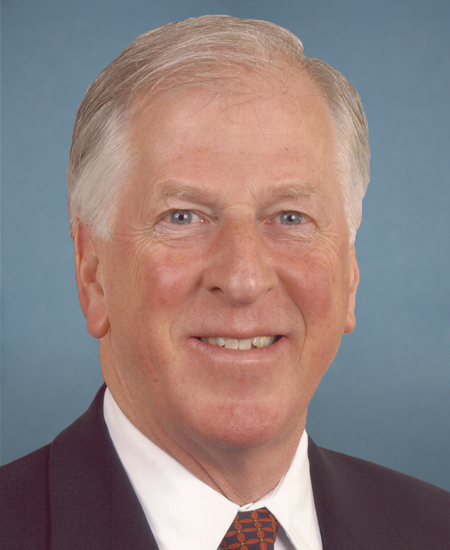
Rep. Mike Thompson
Sponsored bills
Maddy summaryHR 3904, the U.S. Bicycle Production and Assembly Act, exempts specific bicycle parts from import duties when used for assembling or manufacturing complete bicycles in the United States. It directly affects U.S. bicycle manufacturers and importers who must certify parts will be used domestically and provide documentation to customs. The bill creates a new tariff code (9903.87.11) covering 30 specific part categories (e.g., frames, electrical components, tires) and requires importers to confirm parts are for U.S. assembly. It sets concrete goals: 2 million bicycles assembled annually within 5 years and 5 million within 10 years, with a mandatory report to Congress evaluating progress.
Maddy summaryThis bill would allow employees to receive tax-free reimbursements from employers for bike commuting expenses. It expands existing tax benefits to cover purchases, repairs, storage, and bikeshare programs for qualified bicycles, e-bikes meeting specific safety standards (like 750W motors and speed limits), and certain scooters. Reimbursements would remain tax-free up to 30% of the monthly benefit limit. The policy applies to tax years starting after December 2024, directly affecting employees who commute by bike and employers offering such benefits.
Maddy summaryThis bill requires private firearm transfers between individuals to go through a licensed dealer who must conduct a background check. It applies to most private sales but includes exceptions for transfers between family members (like parents and children), law enforcement, emergencies preventing harm, and temporary loans at shooting ranges or for hunting. Dealers must provide background check notices in both English and Spanish. The law aims to prevent prohibited individuals from obtaining firearms through private transactions while maintaining existing state authority on firearm laws.
Maddy summaryHR 3868, the Enhanced Background Checks Act of 2025, modifies federal firearm background check procedures to address delays. It requires federal firearms licensees to wait 10 business days after a background check query if the system doesn’t immediately flag a transfer, unless the buyer submits an electronic petition confirming they aren’t prohibited from owning firearms. The petition process includes a 10-day response deadline from the Attorney General, with licensees allowed to proceed if the system remains silent after 10 days. The bill also mandates detailed annual reports from the FBI on petition delays and GAO reports on implementation, focusing on how these changes affect firearm transfers to prohibited individuals.
Maddy summaryHRES 483 is a House resolution recognizing the 250th anniversary of the U.S. Army's founding on June 14, 1775. It expresses appreciation for the Army's service over 250 years, honors soldiers' valor and core values, and calls for public observance through ceremonies and activities. The resolution has no policy impact or funding provisions - it is purely commemorative. It was introduced by 30 bipartisan House members and referred to the Armed Services Committee.
Maddy summaryThe Elder Pride Protection Act of 2025 establishes a federal task force (the ELDER Task Force) within the Department of Justice to address elder abuse targeting LGBTQI+ individuals. The task force, created within 90 days of the bill’s passage, will study the rise in such abuse, develop national best practices for law enforcement, and create educational materials for prevention and response. It will coordinate efforts across local, state, and federal agencies and submit a report to Congress within one year. The bill directly affects older LGBTQI+ adults (aged 60+) facing abuse, which includes physical, sexual, emotional, or financial harm, but does not create new funding or penalties.
Maddy summaryThe Combating Deceptive Immigration Enforcement Practices Act of 2025 prohibits U.S. Immigration and Customs Enforcement (ICE) and U.S. Customs and Border Protection (CBP) officers from wearing clothing or accessories displaying the word "police" while performing immigration enforcement duties. This rule directly affects federal immigration officers and agents during their official work under the Department of Homeland Security. The bill amends Section 287 of the Immigration and Nationality Act to ban such uniform elements, ensuring officers do not use visual cues that could mislead the public into thinking they are local police. The policy change aims to clarify the distinct role of immigration enforcement versus local law enforcement.
Maddy summaryThe STOCK Act 2.0 requires Members of Congress, federal officials, Federal Reserve employees, Supreme Court justices, and their spouses and dependent children to report and divest certain financial interests, including investments in stocks, cryptocurrencies, commodities, and futures. It mandates that covered individuals report these financial interests within 120 days of taking office or upon the bill's enactment, and sell any existing investments that conflict with public duties. The bill establishes a fine of 10% of the value of unreported or undivested interests for noncompliance and requires electronic filing of financial disclosures with public online access to searchable reports. This legislation expands and strengthens the original STOCK Act by creating more comprehensive reporting requirements and improving public transparency about potential conflicts of interest. The provisions apply to a wide range of government officials and their families, with specific requirements for Federal Reserve officials added through this bill.
Maddy summaryHR 3762, the Supporting Healthy Moms and Babies Act, requires health insurance plans to cover comprehensive prenatal, childbirth, neonatal, perinatal, and postpartum care without cost-sharing (like copays or deductibles). It mandates specific services including ultrasounds, care for pregnancy loss, delivery support, and postpartum behavioral health services for conditions like diabetes or hypertension. The bill applies to group health plans and individual insurance policies starting after the law's enactment, covering both biological mothers and legal parents who did not give birth. This policy directly affects insured individuals seeking maternal and newborn healthcare, ensuring these essential services are fully covered under existing Affordable Care Act requirements.