Hot Foods Act of 2025 This bill expands the Supplemental Nutrition Assistance Program (SNAP) to permit the use of SNAP benefits to purchase hot foods or hot food products ready for immediate consumption.
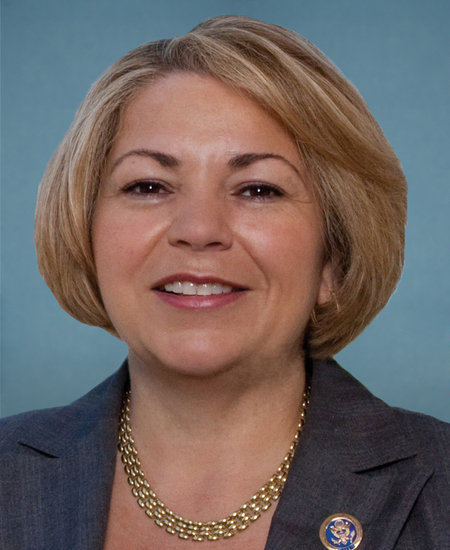
Rep. Linda T. Sánchez
Sponsored bills
Maddy summaryThe Advancing Water Reuse Act creates a 30% tax credit for businesses investing in qualifying water recycling systems. It directly affects industrial, manufacturing, data center, and food processing facilities that replace freshwater use with recycled water from municipal sources, as well as projects building municipal water recycling infrastructure to serve these sectors. The credit covers 30% of the cost for eligible equipment, such as new onsite recycling systems or municipal infrastructure upgrades. This policy is available for projects completed by December 31, 2032, with specific rules allowing businesses to claim the credit even if equipment is later transferred to water utilities.
Maddy summaryHR 2928, the Mortgage Relief for Disaster Survivors Act, provides temporary payment relief for homeowners and renters with federally backed mortgages in areas affected by federally declared disasters. Borrowers with damaged or destroyed properties can request an 180-day pause on mortgage payments (extendable by another 180 days) from their loan servicer by submitting written requests and proof of property damage. During this relief period, no fees, penalties, or additional interest accrue beyond what would have been due under the original loan terms. This applies to loans backed by Fannie Mae, Freddie Mac, or similar programs, including both single-family and multifamily residential properties.
Maddy summaryHR 2925, the Maritime Fuel Tax Parity Act, extends an existing tax exemption for alternative motorboat fuels to small vessels operating exclusively between ports on the Atlantic or Pacific coasts of the United States. The bill amends the Internal Revenue Code to include these single-coast vessels under the current exemption, ensuring they pay the same excise tax rate as other qualifying vessels. This change applies to fuel sales after December 31, 2023, directly affecting small maritime businesses that operate only along one coastal region. The key provision modifies Section 4041(g) to clarify that the tax exemption covers these specific vessels, promoting tax parity without creating new taxes or altering broader fuel regulations.
Maddy summaryHRES 332 is a resolution designating April 11-17, 2025, as "Black Maternal Health Week" to raise awareness about maternal health disparities affecting Black women and birthing people in the U.S. It references CDC data showing Black women are 2-3 times more likely to die from pregnancy-related causes than White women and that the U.S. has the highest maternal mortality rate among developed nations. The resolution emphasizes the need to address systemic inequities contributing to these outcomes without creating new laws or funding. It serves as a symbolic recognition to amplify community-led efforts, such as those by the Black Mamas Matter Alliance, rather than implementing policy changes.
Maddy summaryHRES 327 is a procedural resolution requesting the President to provide the House of Representatives with specific documents about Social Security Administration (SSA) operations after March 12, 2025. It seeks information on policies ending phone applications for benefits (effective March 18 and 26, 2025), office closures/consolidations, and staffing reductions. The resolution does not change laws but asks for records related to how these changes may affect public access to SSA services. This is a request for information, not a policy change.
Maddy summaryHRES 326 is a non-binding resolution designating April 10 as "Dolores Huerta Day" to honor the late labor and civil rights leader Dolores Huerta. It recognizes her foundational work co-founding the United Farm Workers, leading grape boycotts that secured union contracts, advocating for farm workers' safety, and championing women's rights and Latino political representation. The resolution has no policy impact or direct effect on any group, as it solely serves to commemorate Huerta's legacy. It was introduced by multiple House members in recognition of her contributions to civil rights and equality.
Maddy summaryHRES 328 is a non-binding House resolution expressing support for library staff and the essential services libraries provide to communities across the United States. It recognizes libraries as critical infrastructure for community access to information, internet, social services, and safe spaces - especially for underserved groups - and calls for full federal, state, and local funding to sustain these services. The resolution reaffirms the public’s right to free access to information, supports library workers’ rights to unionize and collectively bargain, and defends staff from threats like book bans or intimidation for upholding library missions. It specifically endorses National Library Week and urges protection of civil rights for library workers. (Note: As a procedural resolution, it does not create new law but formally expresses congressional support.)
Maddy summaryThis bill repeals a restriction that previously prevented individuals from rolling over funds directly from their Individual Retirement Accounts (IRAs) to donor-advised funds (DAFs) for charitable giving. It directly affects IRA account holders who wish to make tax-advantaged charitable contributions through DAFs. The key provision amends the Internal Revenue Code to remove the specific language barring such rollovers, allowing these transfers to occur without triggering taxable distributions. The change becomes effective after the bill's enactment, streamlining a pathway for donors to support charities via DAFs using IRA assets.

Maddy summaryHR 2872 (the RESILIENCE Act of 2025) amends the tax code to change how public utilities can deduct repair and maintenance costs for certain infrastructure. It requires utilities to reduce their taxable income by the same amount they deduct for these repairs on their financial statements, specifically for property owned by the utility and accounted for as depreciation. This applies to utilities owning infrastructure covered under Section 168(i)(10) of the tax code, aligning their tax deductions with financial reporting. The change takes effect for taxable years starting after December 31, 2024.