

Maddy summaryHRES 114 is a resolution proposing to expel Representative George Santos from the U.S. House of Representatives, citing constitutional authority under Article I, Section 5, Clause 2. It directly targets Santos, who was a sitting member of the House at the time of introduction. The resolution follows the House's constitutional power to expel members for misconduct, though it does not specify the alleged violations. This procedural resolution was referred to the Committee on Ethics for review.
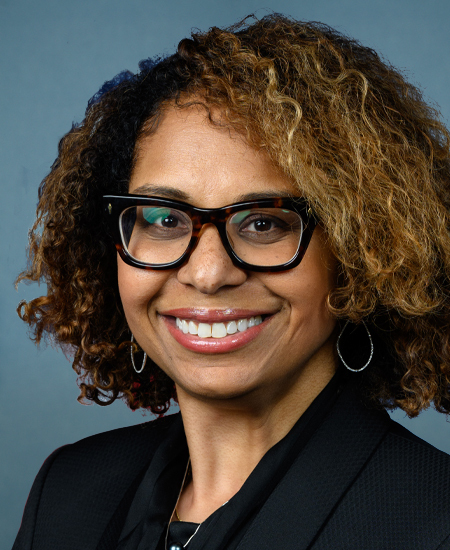
Rep. Sydney Kamlager-Dove
Sponsored bills
Maddy summaryHRES 886 is a non-binding House resolution supporting Transgender Day of Remembrance (TDoR) by recognizing the epidemic of violence against transgender people and memorializing those lost in the year ending September 30, 2023. It specifically acknowledges the disproportionate impact of violence on transgender women of color, citing 33 documented deaths in the U.S. during that period (with estimates suggesting the actual number is higher due to underreporting). The resolution calls for Congress to prioritize studying and preventing such violence while affirming that all transgender people deserve dignity and respect. As a symbolic resolution, it does not create new laws or allocate funding but serves to raise awareness and honor victims.
Maddy summaryThe Climate Displaced Persons Act establishes a new admission pathway for individuals displaced by climate-related environmental disasters, defining "climate-displaced persons" as those compelled to leave their homes due to climate events like floods, droughts, or sea level rise who cannot safely return or integrate locally. The bill sets a minimum annual admission goal of 100,000 climate-displaced persons to the United States beginning in fiscal year 2024, requires the government to collect and analyze data on climate displacement, and mandates the creation of a Global Climate Change Resilience Strategy to address climate impacts on vulnerable populations. It also requires training for U.S. diplomats and immigration officers on climate displacement and establishes procedures for applications, including exemptions for unaccompanied children and cases of changed circumstances. The legislation aims to provide a structured humanitarian response to climate-driven displacement while acknowledging the U.S. historical responsibility for climate change.
Maddy summaryHR 6293, the Fair Wages for Incarcerated Workers Act of 2023, would extend the Fair Labor Standards Act (FLSA) to require that incarcerated workers in public or privately operated correctional facilities receive fair wages. The bill directly affects individuals working in prisons or related programs (like UNICOR or work release) by prohibiting deductions for board, lodging, or court-imposed fees from their wages. Key provisions amend the FLSA to define "incarcerated worker" and explicitly state that such workers must be paid at least the minimum wage, with costs for facilities and court fees excluded from their earnings. This would ensure incarcerated workers keep more of their earnings from prison labor programs.
Maddy summaryHR 6298, the Stop Shackling and Detaining Pregnant Women Act, prohibits the detention of pregnant, lactating, or postpartum noncitizens in immigration custody, requiring their immediate release except in narrow cases involving an immediate threat to safety. It bans the use of restraints during labor, delivery, and postpartum care, except under strict conditions with documented justification, and mandates access to comprehensive reproductive health services including abortion. Detention facilities must conduct biweekly reviews to reassess detention needs and report detailed data on restraint use, detention lengths, and pregnancy outcomes. The bill applies directly to pregnant noncitizens held under U.S. immigration law and requires training for DHS staff on its provisions.
Maddy summaryThis bill codifies the Young African Leaders Initiative (YALI) as a formal U.S. government program. It authorizes annual fellowships for African leaders aged 25-35 to participate in U.S.-based leadership training (including the Mandela Washington Fellowship) and establishes at least four regional leadership centers across sub-Saharan Africa for ongoing professional development in business, civic engagement, and public administration. The program requires annual congressional reports on progress and impacts, with implementation ending after five years. Directly affecting young African leaders (ages 18-35 for regional centers) in business, civic leadership, and governance, it provides structured training, networking, and technical assistance to strengthen U.S.-Africa partnerships.
Maddy summaryHR 6172, the AMMO Act, requires federal firearms licensees (dealers/manufacturers) to implement new rules for selling ammunition to non-licensed buyers. It prohibits transfers exceeding 100 rounds of .50 caliber or 1,000 rounds of other calibers within any 5-day period and mandates written certification from buyers confirming they haven’t exceeded these limits. Licensees must also conduct background checks through the National Instant Criminal Background Check System (NICS) before selling ammunition to non-licensed individuals, similar to firearm sales. The bill includes recordkeeping, signage, and reporting requirements for violations, with penalties including fines up to $250,000 for licensees and $50,000 for buyers making false statements.
Maddy summaryThis bill excludes veterans' disability and dependency payments from income calculations for HUD housing assistance programs. It directly affects veterans and their families receiving disability compensation under Title 38, U.S. Code, by ensuring these benefits don't reduce their eligibility or housing assistance amounts. Specifically, it prevents HUD from counting these payments when determining eligibility, benefit amounts, or rent calculations for assisted housing. The policy change applies solely to HUD-administered housing programs, not other federal benefits.
Maddy summaryThe Counseling Not Criminalization in Schools Act prohibits federal funding for school police officers and establishes a $5 billion grant program to help schools replace law enforcement with mental health professionals like counselors, social workers, and psychologists. The bill directly affects schools serving marginalized students, particularly Black, Native American, Latino, and LGBTQI+ students, who disproportionately face school discipline and police involvement. Key provisions require schools to terminate police contracts within 30 days of receiving funds and use the money for trauma-informed services, restorative justice programs, and anti-bias training. The bill also prohibits using funds for surveillance technology, punitive discipline policies, or arming school staff, while requiring schools to report on disciplinary practices and demographic data. This legislation aims to address racial disparities in school discipline and shift school safety toward supportive, evidence-based approaches rather than criminalization.
Maddy summaryHR 5983, the Clean Water Act of 2023, redefines "protected water resources" under federal law to explicitly include all interstate and intrastate waters (such as intermittent and ephemeral streams), wetlands, and their tributaries. This directly affects federal agencies like the EPA, states managing water quality, and developers or landowners needing permits for activities near these waters. The bill eliminates the Supreme Court’s narrow "navigable waters" definition from Sackett v. EPA (2023), restoring protections for tens of millions of acres of wetlands and millions of miles of small streams. Key mechanisms require the EPA to annually review and adjust exclusions from protections based on scientific evidence, ensuring water bodies critical to drinking water, flood control, and ecosystems remain safeguarded.