

Maddy summaryHR 5940, the Seniors Deserve SMARTER Care Act of 2025, prohibits the implementation of the Medicare WISeR model (described in a July 2025 federal notice). The bill specifically blocks the Secretary of Health and Human Services from using the WISeR model, which would have required prior authorization for certain medical services under Medicare. This directly affects Medicare beneficiaries and healthcare providers who would have been subject to the model's requirements. The key provision is a clear ban on implementing WISeR or any substantially similar payment model, preventing changes to Medicare's service authorization process. The bill does not create new programs but stops a specific proposed Medicare policy change.
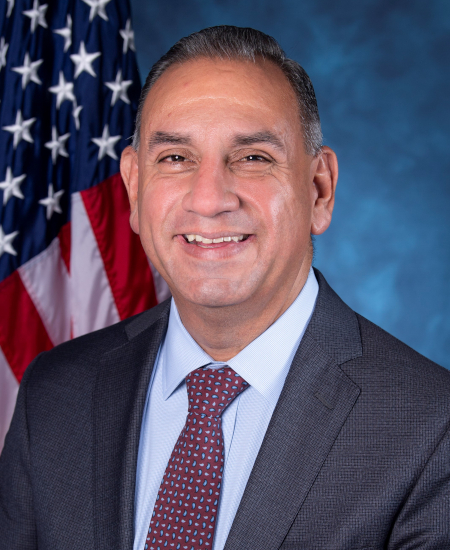
Rep. Gilbert Ray Cisneros, Jr.
Sponsored bills
Maddy summaryThis bill, HR 5973, requires federal immigration enforcement personnel to follow strict limits on force use, including proportional application, mandatory de-escalation efforts, and prohibitions on equipment like flash bangs or rubber bullets except for specific public safety threats. It mandates body-worn and vehicle cameras for all operations, with footage retained for one year (three years for force incidents or complaints), and grants affected individuals the right to inspect recordings. The law also requires annual training on force policies, First Amendment compliance, and racial bias avoidance, while demanding detailed quarterly reports to Congress on force usage, assaults on agents, and equipment approvals. These provisions directly affect all federal immigration agents conducting enforcement actions, aiming to increase transparency and accountability during operations.
Maddy summaryHRES 846 is a symbolic resolution designating October 2025 as National Domestic Violence Awareness Month. It expresses the House's support for raising awareness about domestic violence and its impacts, and calls for continued congressional attention to ending domestic violence through existing programs. The resolution does not create new laws, allocate funding, or directly affect any specific groups - it is purely a statement of support. It references statistics on domestic violence prevalence but focuses on awareness rather than policy changes.
Maddy summaryHouse Resolution 838 recognizes Día de los Muertos (Day of the Dead) as an annual celebration honoring deceased loved ones, particularly within Mexican-American, Latino, and Indigenous communities. The resolution acknowledges the holiday's cultural significance, including its historical roots and role in fostering family bonds, and expresses solidarity with families who have lost loved ones, especially those who died in immigration custody. It urges federal agencies to ensure humane treatment of individuals in immigration custody during cultural observances but does not create new legal requirements or policy changes. As a commemorative resolution, it serves only to symbolically affirm the holiday's importance without altering laws or funding.
Maddy summaryHR 5843, the "Shutdown Student Loans for Feds Act," would pause federal student loan payments for eligible federal employees and certain contractors during any government shutdown lasting 14+ days. It prevents interest from accruing on these loans during the pause and counts the paused months toward loan forgiveness eligibility under existing programs. The bill also requires credit agencies to treat paused payments as if they were made on time. This applies to shutdowns occurring in fiscal year 2026 or later, with retroactive effect covering shutdowns starting September 30, 2025, and potential refunds for payments made during those periods.
Maddy summaryThis bill amends the tax code to allow businesses to claim charitable tax deductions for donating specific food-related equipment to hunger-relief organizations. It creates a new category called "qualified property," covering fully functional food storage equipment (like industrial freezers), transportation vehicles (delivery trucks), and meal preparation tools (industrial ovens, packing machinery). Donors can deduct up to 25% of the equipment's fair market value, with annual limits of $500 for transport equipment and $15,000 for preparation equipment. The changes apply to tax years beginning after December 31, 2025, and only affect donations to organizations whose primary mission is distributing food to people in need.
Maddy summaryHR 5835, the REPO Implementation Act of 2025, establishes a mechanism to use frozen Russian sovereign assets held abroad for Ukraine's benefit. It creates a "Ukraine Support Fund" to hold these assets without confiscation and requires the U.S. Treasury to invest them in U.S. government obligations. The bill mandates quarterly transfers of at least $250 million from the fund to Ukraine for assistance, with final amounts spent when less remains. It also requires the President to report to Congress on Russian assets held by foreign countries (including G7/EU members) and urges diplomatic efforts to secure similar asset repurposing from those nations.
Maddy summaryThis bill requires congressional and White House approval before any corporate or individual name, logo, or advertisement can be displayed on the White House grounds or in its buildings. It blocks permanent or semi-permanent displays (like plaques or signage) without consent from the House Speaker, Minority Leader, and White House Curator. The law applies to all White House grounds and structures, preventing unsanctioned commercial endorsements or sponsorships. Existing rules for commemorative monuments (under the Commemorative Works Act) would still govern approved displays.
Maddy summaryThis bill restores the pre-January 20, 2025, administrative structure of the Head Start program within the Department of Health and Human Services. It establishes a central Office of Head Start with 12 regional offices, requiring the Secretary to maintain all prior staffing levels, organizational structure, and functions. The bill prohibits the Secretary from restructuring the office or reducing staff without providing 60 days' notice to Congress and the public, ensuring continuity in program oversight. It directly affects the Office of Head Start, its regional offices, and HHS staff managing Head Start operations.
Maddy summaryThis bill adds Medicare coverage for multi-cancer early detection screening tests (blood or biological tests analyzing cell-free DNA) starting January 1, 2028. It directly affects Medicare beneficiaries aged 68 and older (starting in 2028, with the age limit increasing by 1 year annually), requiring tests to be FDA-cleared and deemed reasonable/necessary by the Secretary for early cancer detection across multiple organ sites. Payment will initially match current stool DNA test rates before 2031, then shift to a lower rate or new payment system after 2031, with limits preventing more than one test per year. The bill explicitly states it does not alter coverage for existing cancer screenings like breast, colorectal, or prostate cancer tests.