

Maddy summaryHR 3534, the Mental Health in Schools Excellence Program Act of 2025, creates a federal program to increase the number of school-based mental health professionals. It provides federal matching funds - covering up to 50% of tuition and fees for eligible students - in partnership with graduate schools offering accredited programs in school counseling, psychology, or social work. Participating graduate institutions must match federal contributions, and priority is given to students who received Federal Pell Grants or attended specific institutions as undergraduates. The program directly affects graduate students training to become licensed school mental health providers, aiming to expand the workforce serving K-12 schools.
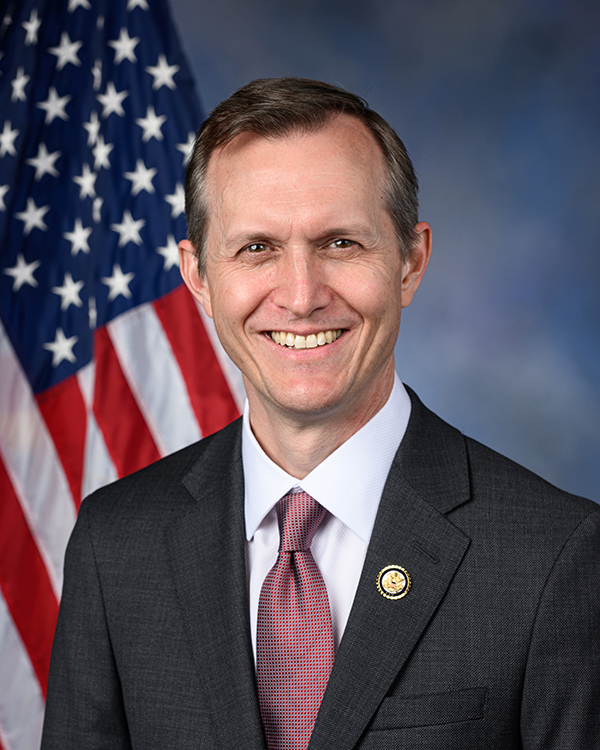
Rep. George Whitesides
Sponsored bills
Maddy summaryHR 3526, the Uplifting First-Time Homebuyers Act of 2025, increases the maximum amount first-time homebuyers can withdraw penalty-free from retirement accounts. It amends the Internal Revenue Code to raise the limit from $10,000 to $50,000 for qualified first-time homebuyer distributions. This change directly affects individuals using retirement savings to purchase their first home, allowing them to access significantly more funds without incurring the usual 10% early withdrawal penalty. The provision applies to taxable years beginning after December 31, 2024.
Maddy summaryHR 3505, the Barriers to Suicide Act of 2025, creates a federal grant program administered by the Department of Transportation to fund the installation of proven safety barriers and nets on specific high-risk structures. The program provides competitive grants (up to 80% federal funding) to states, local governments, or other eligible entities for projects installing suicide deterrents on bridges, buildings, parking garages, highway-rail crossings, or rail stations. It prioritizes areas with high suicide rates and mandates a study by the Comptroller General to evaluate effective deterrents for non-bridge structures and their costs, with a report due within one year of enactment. The bill authorizes $10 million annually from 2026-2030 for this initiative.
Maddy summaryThis bill restores a tax deduction for personal losses caused by disasters, crimes, or scams (like stolen property or damage from hurricanes). It directly affects taxpayers who filed returns before 2025 but couldn’t claim this deduction due to a prior suspension. The bill reinstates the deduction and extends the deadline to file refund claims for these losses until the tax filing deadline for the year the bill becomes law. This allows eligible individuals to claim refunds they were previously barred from receiving.
Maddy summaryHR 3277, the Ensuring Lasting Smiles Act, requires group health plans and health insurance issuers to cover medically necessary outpatient and inpatient treatments for congenital anomalies or birth defects primarily affecting the eyes, ears, teeth, mouth, or jaw. This includes reconstructive procedures, dental/orthodontic support during treatment, and follow-up care, but excludes purely cosmetic surgery not tied to a medical diagnosis. Cost-sharing (like copays) for these services must not be stricter than for other medical benefits. The law takes effect for plan years beginning January 1, 2026, and mandates insurers to provide notice about this coverage to beneficiaries.
Maddy summaryHR 3243, the Therapeutic Fraud Prevention Act of 2025, bans the provision of paid conversion therapy aimed at changing a person's sexual orientation or gender identity, and prohibits advertising such therapy as effective, safe, or without risk. It directly affects LGBTQ+ individuals and their families who might be targeted by these practices, as professionals have determined conversion therapy is ineffective and harmful. The law treats violations as deceptive acts under consumer protection laws, empowering the Federal Trade Commission and state attorneys general to enforce it through civil actions. It explicitly excludes legitimate gender transition support and non-discriminatory counseling from the ban.
Maddy summaryHR 3184, the PFAS Alternatives Act, funds research to develop turnout gear (firefighter safety clothing) without harmful PFAS chemicals, directly affecting firefighters who wear this gear. It authorizes $25 million annually (2025-2029) for grants to eligible organizations to research and test PFAS-free gear, requiring partnerships with firefighting groups to translate findings into practice. The bill also allocates $2 million yearly (2027-2031) for training programs on safe gear use and decontamination. Its goal is to reduce firefighters' exposure to chemicals linked to occupational illnesses during operations.
Maddy summaryHRES 380 is a symbolic resolution supporting the designation of May 5-9, 2025, as "Teacher Appreciation Week." It does not create new laws or funding but formally recognizes teachers' contributions to education. The resolution affirms teachers' role in shaping students' futures and calls for including teachers in education policymaking at all levels. It highlights teacher survey data showing broad support for policies like equitable school funding and culturally responsive teaching, though the resolution itself only expresses support for the week's designation. This is a non-binding gesture with no direct impact on affected individuals or policies.
Maddy summaryHRES 383 is a symbolic resolution expressing congressional support for designating May 4-10, 2025, as Wildfire Preparedness Week. It aims to raise public awareness about wildfire safety and preparedness through educational initiatives, encouraging communities to adopt preventive measures like evacuation planning and reducing human-caused ignitions. The resolution does not create new laws, allocate funds, or directly affect any specific group - it solely promotes awareness of existing wildfire safety practices. It references wildfire statistics and safety strategies but only formally recognizes the week without implementing policy changes.
Maddy summaryThis bill expands OSHA safety protections to cover public employees, including teachers, police, and sanitation workers, who were previously excluded from federal workplace safety regulations. It directly affects state and local government workers by amending the Occupational Safety and Health Act to explicitly include "the United States, a State, or a political subdivision of a State" under OSHA coverage. The key mechanism is a technical amendment to the law’s definition of covered employees, ensuring public service workers fall under the same safety standards as private-sector employees. The bill takes effect 90 days after enactment for most workplaces, with a 36-month delay for state/local governments without existing OSHA plans.