

Maddy summaryThis bill creates a new federal tax credit for family child care providers who operate from their primary residence. It allows eligible providers to claim up to $5,000 annually toward specific startup costs like licensing fees, supplies (diapers, toys), insurance, fencing, playground equipment, and required renovations. To qualify, providers must be licensed/registered, serve at least two non-family children, and operate from their home. The credit is limited to one year per provider (no repeat claims) and expires after seven years. It directly affects small-scale home-based child care operators seeking to establish or improve their licensed services.
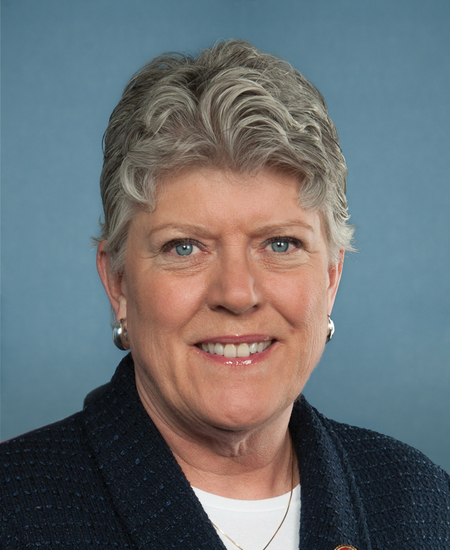
Rep. Julia Brownley
Sponsored bills
Maddy summaryThis bill requires federal agencies administering water infrastructure funding (like the WIFIA program) to ensure projects have construction payment and performance security. It directly affects contractors working on federally assisted water projects and state/local governments with construction requirements. The key provision mandates that projects must have security covering at least 50% of the construction contract value - either through state/local rules or federal bonds meeting specific standards under 40 U.S.C. §3131(b). This aims to protect taxpayers by reducing the risk of unpaid subcontractors or project failures. The bill modifies existing federal requirements without creating new funding or altering project eligibility.
Maddy summaryThe Aquatic Biodiversity Preservation Act of 2025 directs the Secretary of Commerce to establish a program mapping the genetic code (genome) of priority aquatic species, including endangered fish, species linked to harmful algal blooms, and culturally significant species identified by tribes or Native Hawaiian organizations. Covered entities like federal agencies, states, tribes, universities, and nonprofits will collect samples, sequence genomes to high standards, and catalog data. All sequenced genomes must be made publicly available within 360 days (except for tribal-led projects, which retain control over data sharing), with $2 million annually allocated for 2025-2031 to fund this effort. The law aims to support conservation, management, and enforcement by creating a shared genetic database for scientists and policymakers.
More Homes on the Market Act This bill increases the amount of gain from the sale of a principal residence that an individual may exclude from gross income (for federal tax purposes). Under the bill, an individual may exclude from gross income gain from the sale of a principal residence of up to $500,000 (currently $250,000), and taxpayers who are married and file a joint federal income tax return may exclude up to $1 million (currently $500.000). The bill also requires these amounts to be adjusted annually for inflation.
Maddy summaryThis bill amends the Federal Employees' Dental and Vision Insurance Program (FEDVIP) to extend dependent coverage eligibility. It changes the age limit from 22 to 26 for children of federal employees, meaning dependent children can now remain covered under FEDVIP until their 26th birthday. The change directly affects dependent children of federal employees who previously lost coverage at age 22, aligning FEDVIP with similar provisions in the Affordable Care Act for private plans. The provision modifies Section 8901(5) of Title 5, U.S. Code, to update the age requirement.
Maddy summaryThe Office of Gun Violence Prevention Act of 2025 would create a new office within the Department of Justice to coordinate federal efforts on reducing gun violence. The office, led by a Director appointed by the Attorney General, would integrate existing DOJ programs, evaluate data gaps, and develop evidence-based recommendations for Congress and the President. It would also establish an advisory council including survivors of gun violence, public health officials, and community representatives to guide its work. The office would produce annual reports detailing gun violence trends and policy proposals, while collaborating with agencies like Health and Human Services and the FBI.
Maddy summaryThis bill requires federally licensed gun dealers to provide new customers with specific information about safe firearm storage at the point of sale. The information must cover storing firearms unloaded and locked away from children, the risks of unsecured guns (including suicide and accidental shootings), and guidance on secure devices like safes and lock boxes. It also mandates that dealers stock a variety of secure storage options, such as gun safes and lock boxes, for purchase. Additionally, the bill creates a tax credit for individuals buying qualified gun safes, up to $500 annually, to encourage secure storage practices. The requirements take effect six months after the bill becomes law.
Alternatives to Prevent Addiction In the Nation Act or the Alternatives to PAIN Act This bill reduces cost-sharing and prohibits the imposition of certain utilization requirements under the Medicare prescription drug benefit for certain non-opioid pain management drugs. Specifically, the bill requires such drugs to be covered without a deductible and to be placed on the lowest cost-sharing tier (if any). The bill also prohibits the imposition of prior authorization requirements (i.e., requiring prior approval from a plan) or step therapy requirements (i.e., requiring the use of alternative drugs before a drug is covered under a plan) with respect to such drugs.
Maddy summaryHR 1269, the Honoring Our Fallen Heroes Act of 2025, expands benefits for public safety officers (like police and firefighters) who develop certain cancers linked to their work. It adds 22 specific cancers - including lung, mesothelioma, and breast cancer - to the list of conditions presumed to be "exposure-related" and sustained in the line of duty. This presumption applies if the officer served at least 5 years, was diagnosed with the cancer within 15 years after last active duty, and the cancer directly caused death or permanent disability. The bill also establishes a process for adding new cancers every 3 years based on medical evidence from agencies like NIOSH, and allows claims to be filed within 3 years of the law's enactment.
Maddy summaryHR 1196 prohibits using federal funds to eliminate the U.S. Agency for International Development (USAID) as an independent agency, as defined by law. It requires the Secretary of State to certify annual compliance with this restriction to the House Foreign Affairs and Senate Foreign Relations committees. The bill directly affects USAID's operational status and U.S. foreign aid programs by preventing congressional or executive actions that would dismantle or merge the agency, maintaining its role in U.S. international development efforts.